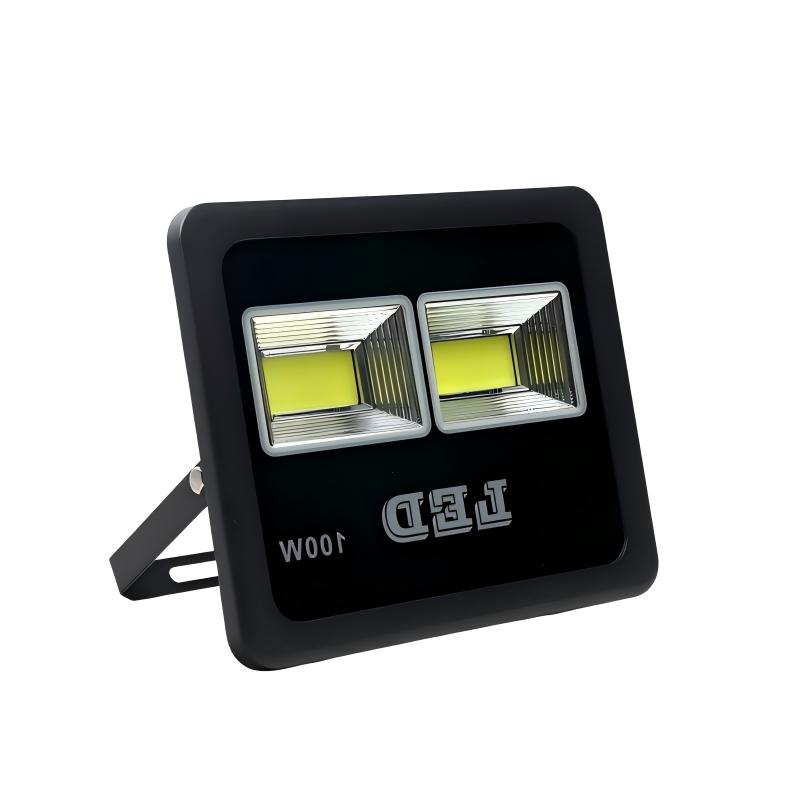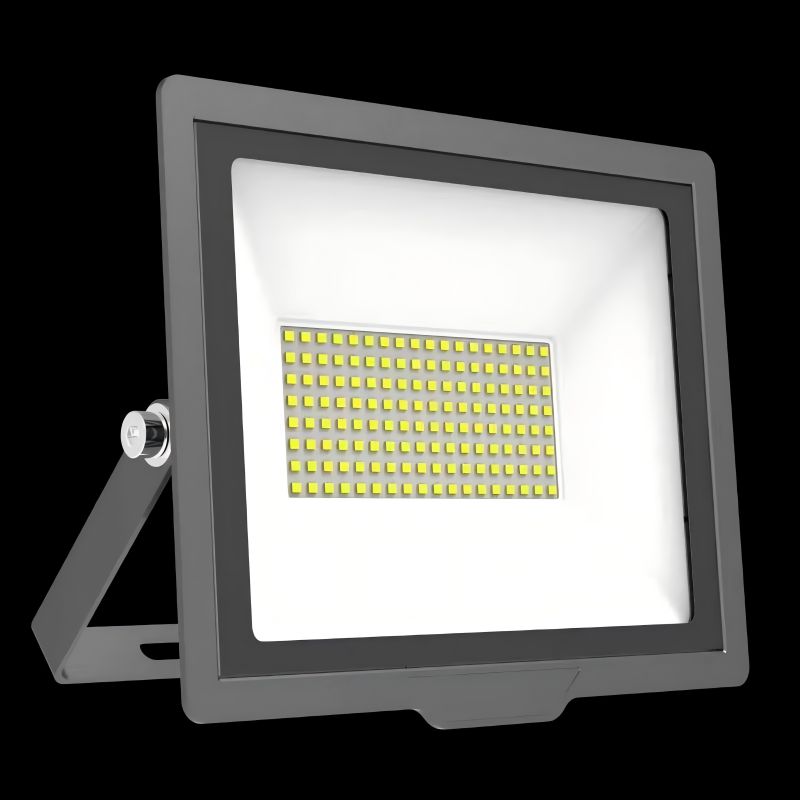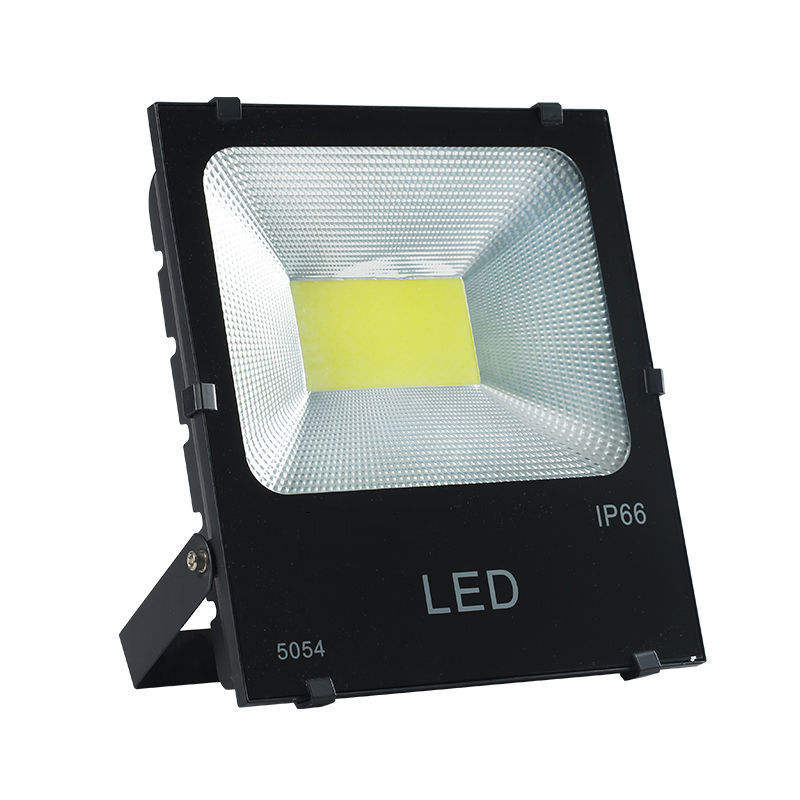
Flood lights are one of the most widely used outdoor commercial and industrial lighting systems. The name comes from their ability to “flood” an area with a broad, high-intensity beam of light.
For professional users, however, the term itself is only the starting point. To specify the right flood-lighting solution for a stadium, logistics yard, warehouse exterior, port, or security perimeter, buyers must understand how these fixtures are engineered, how they differ from other luminaires, and how modern LED flood lights impact long-term performance, maintenance, and ROI.
What “Flood” Really Means in Flood Lighting
The Historical Meaning of “Flood”
In lighting engineering, the term “flood” refers to filling a space with a wide and powerful beam of light—not water. A flood light is designed to spread illumination across large surfaces and open outdoor areas, making it one of the most common solutions for sports led lighting, led parking lot lighting, façade lighting, industrial yard lighting, and general outdoor flood lighting.
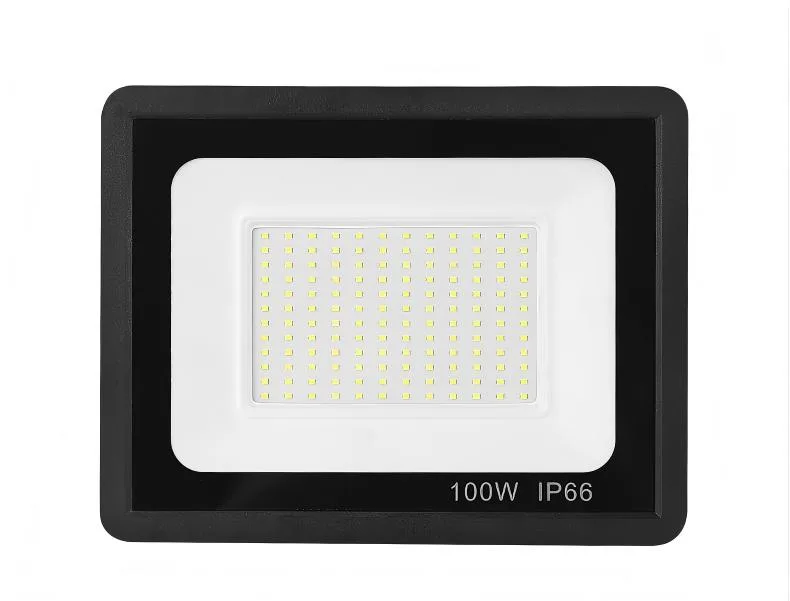
Unlike narrow-beam spotlights that highlight only a small target, LED flood lights are engineered to deliver broad-beam, high-intensity illumination that evenly covers the entire site. This “area-filling” effect is why early engineers called them flood lights—because the beam effectively floods the environment with usable light.
How led flood lights Differ From Spotlights
Understanding the distinction is essential for project planning.
Understanding the difference between flood and spotlights is essential for outdoor lighting design, safety planning, and industrial or commercial outdoor lighting installation projects. In lighting engineering, the word “flood” refers to filling a space with wide, uniform illumination, not water. flood outdoor lights use a wide beam angle (typically 60°–150°) to cover large areas such as sports fields, parking lots, warehouses, logistics yards, and building façades.
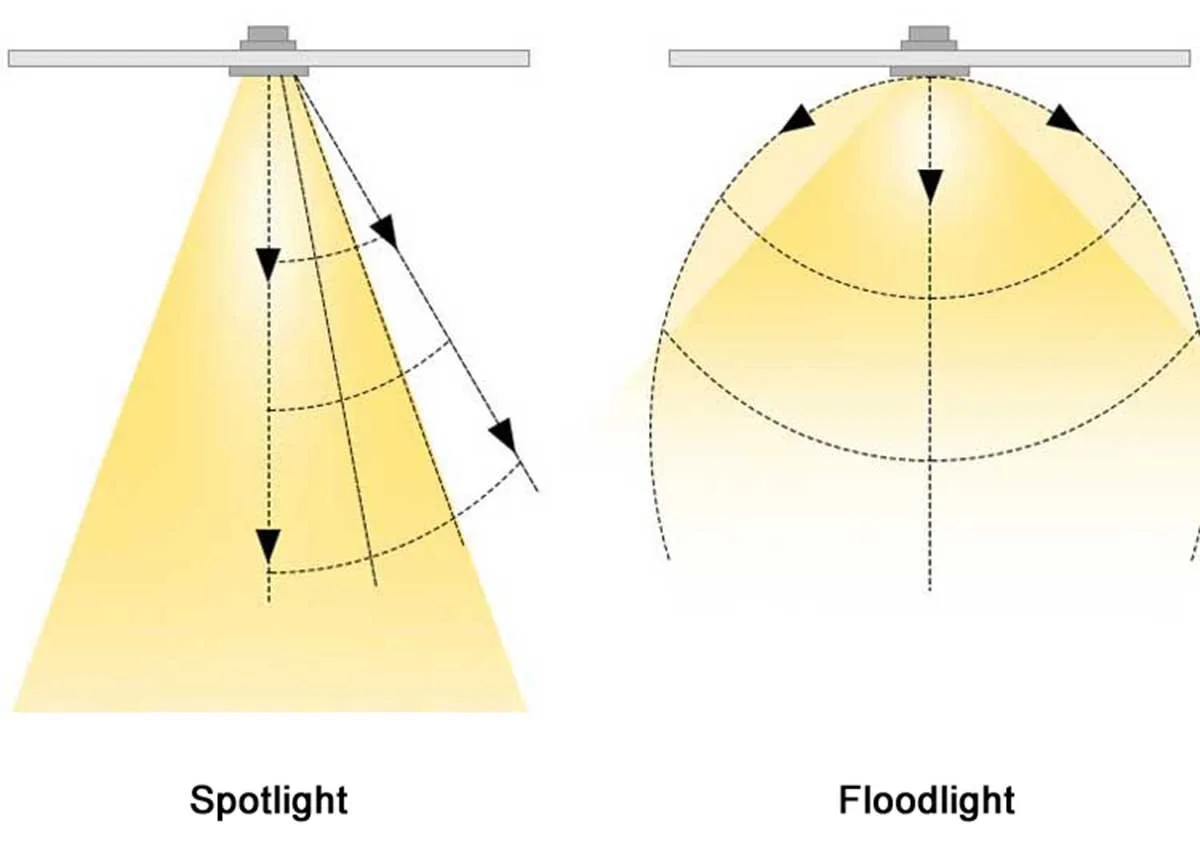
Spot light fixtures, in contrast, use a narrow beam angle (10°–30°) to highlight a specific object or location—making them ideal for signage, architectural accents, theaters, and display lighting.
Because floodlights and spotlights serve very different lighting purposes, choosing the correct beam type directly affects visibility, safety, energy efficiency, and overall lighting performance. This distinction is a foundational part of modern led flood light led and led spotlight lamp specification for B2B buyers, EPC contractors, and facility managers.
Why Flood Lights Became Essential in Outdoor Lighting
Led lights flood lights were created because normal indoor fixtures cannot handle the demands of outdoor and industrial environments. Indoor lights lack the long-distance reach, high lumen output, and uniform illumination needed for large open areas. They also do not offer strong weather protection—commercial outdoor led lighting must resist rain, dust, wind, corrosion, and impact. Modern flood lights are engineered with powerful optics, durable housings, and high-efficiency LEDs to deliver bright, stable lighting over wide spaces and long projection distances.
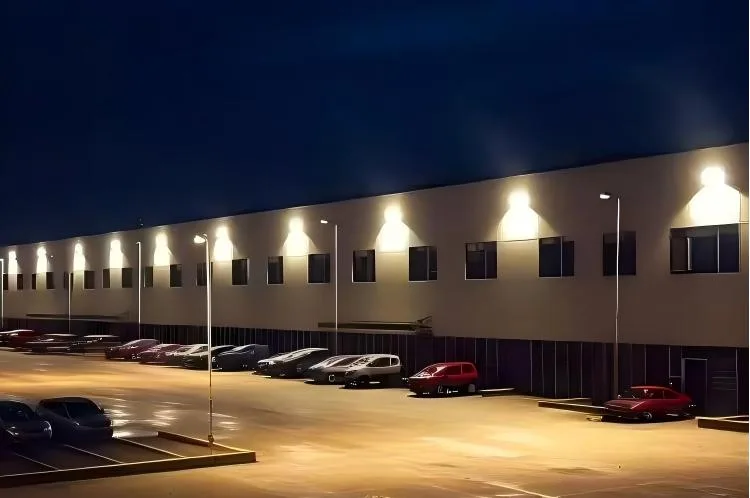
As cities expanded and more night-time activity developed—such as security operations, logistics work, and industrial production—the need for broad, dependable illumination grew quickly. flood lights bulb became essential infrastructure for maintaining safety and visibility after dark.
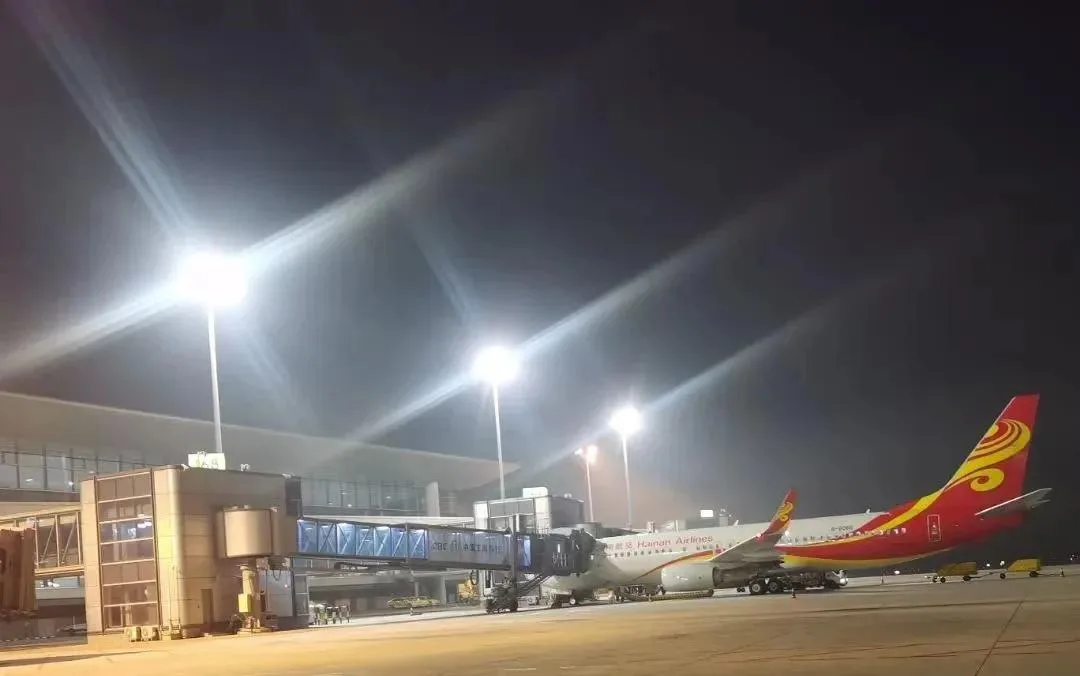
Today, flood lights are standard in many key environments, including logistics compounds, airports, ports, mining areas, stadiums, sports facilities, highway interchanges, pedestrian zones, and residential perimeters. These sites all require wide, consistent lighting delivered from medium to high mounting heights, ensuring visibility, safety, and reliable outdoor performance. Flood lights serve these needs in ways that regular building fixtures simply cannot.
Types of Flood Lights — From Traditional to Modern LED Systems
Flood lights have evolved significantly over the past century. Today, several categories exist, each suited to different B2B scenarios.
Halogen flood lamps
Outside halogen flood lights provide strong brightness but consume large amounts of energy and generate significant heat. Their short lifespan and very low efficiency make them unsuitable for modern commercial or industrial use. Today, halogen units are largely obsolete in B2B projects because they cannot meet current energy, maintenance, or safety requirements.
HID Flood Lights (Metal Halide / HPS)
HID outdoor flood lights were the long-time standard for stadiums, ports, and large outdoor areas. However, slow warm-up times, frequent maintenance, poor color rendering, and shorter operating life have led to rapid replacement by LEDs. Most municipal and industrial buyers now phase out HID systems due to high running costs and declining performance.
CFL Flood Lights
CFL flood lights outdoor offer low cost and moderate efficiency, but their lumen output and coverage are too limited for large outdoor or industrial sites. They cannot deliver long projection distance, strong durability, or high reliability. As a result, CFLs are rarely specified in modern engineering projects requiring robust exterior lighting.
Flood led lights
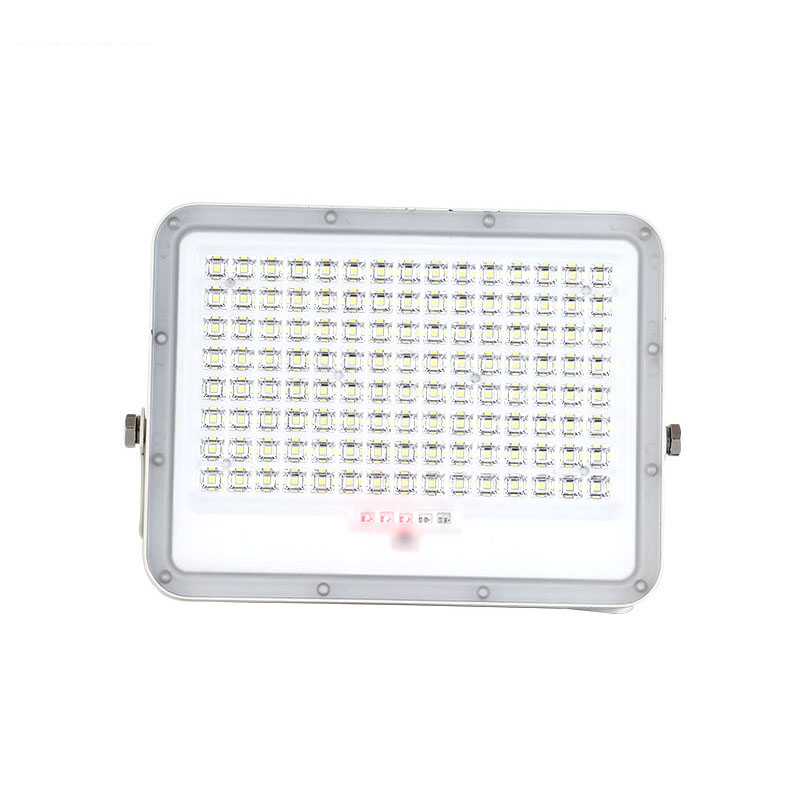
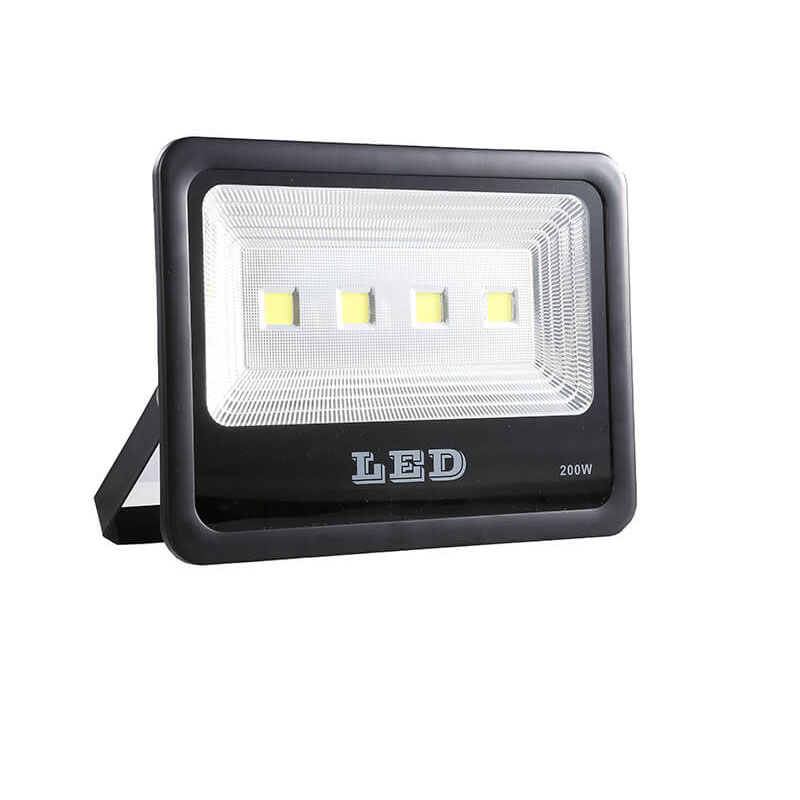
Flood lights led outdoor have become the industry standard, offering 70–90% lower energy use and 5–10× longer life compared with legacy lamps. They provide instant start, high lumen-per-watt output, precise optics, and compatibility with sensors and smart controls. For municipalities and industrial facilities, LEDs deliver the highest long-term ROI.
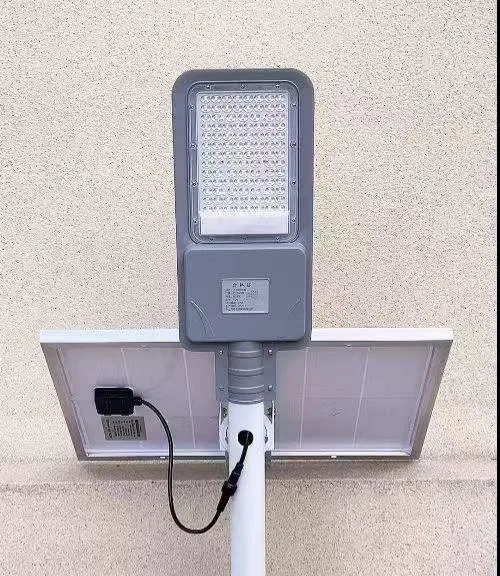
Solar outdoor flood lights
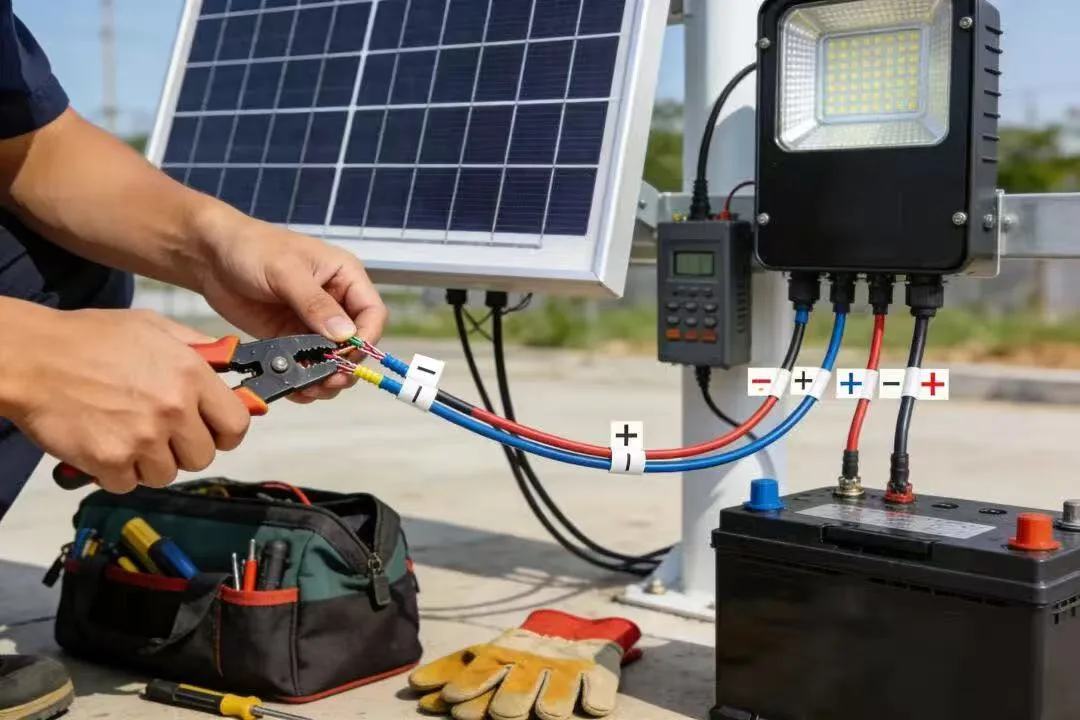
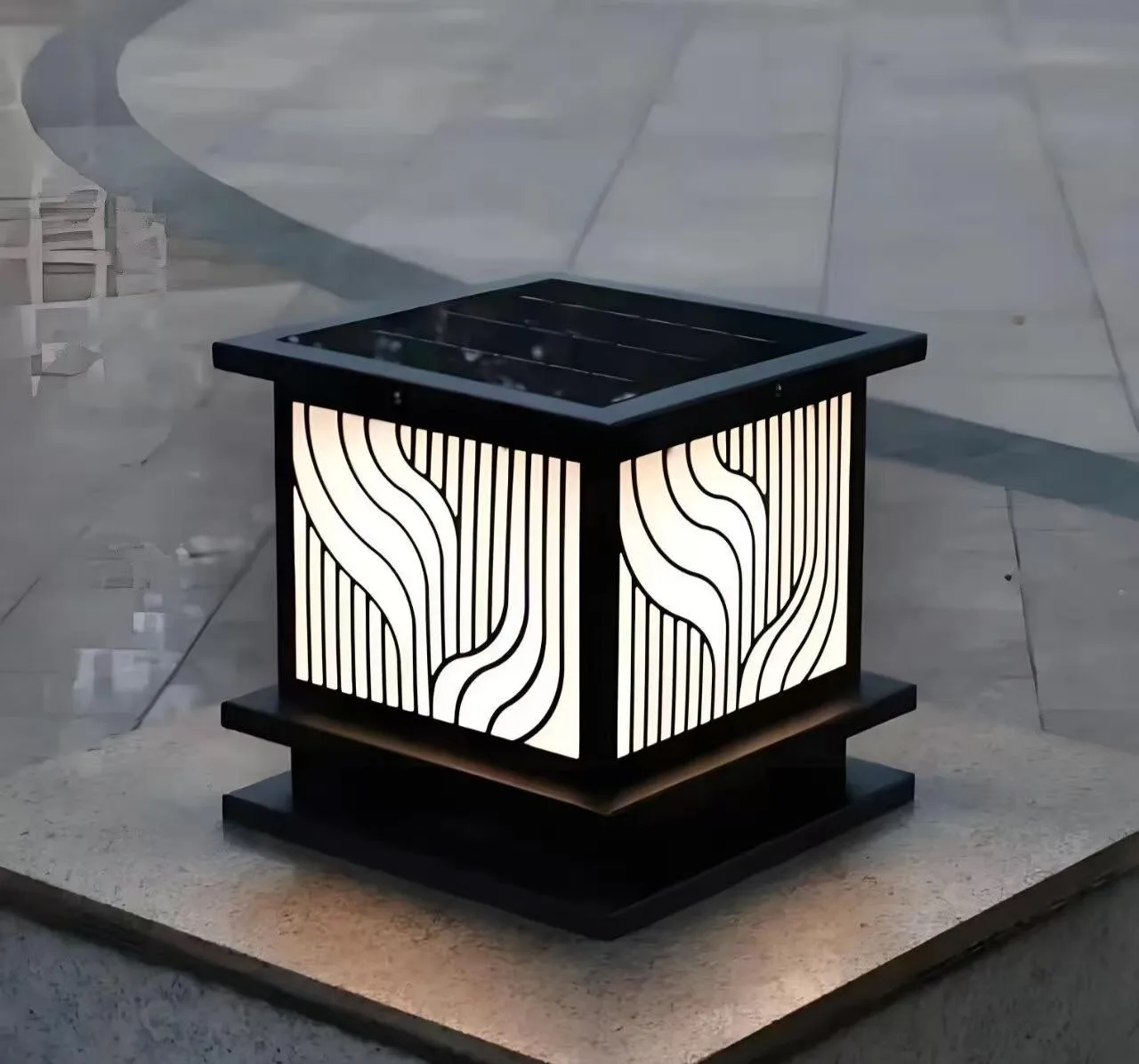
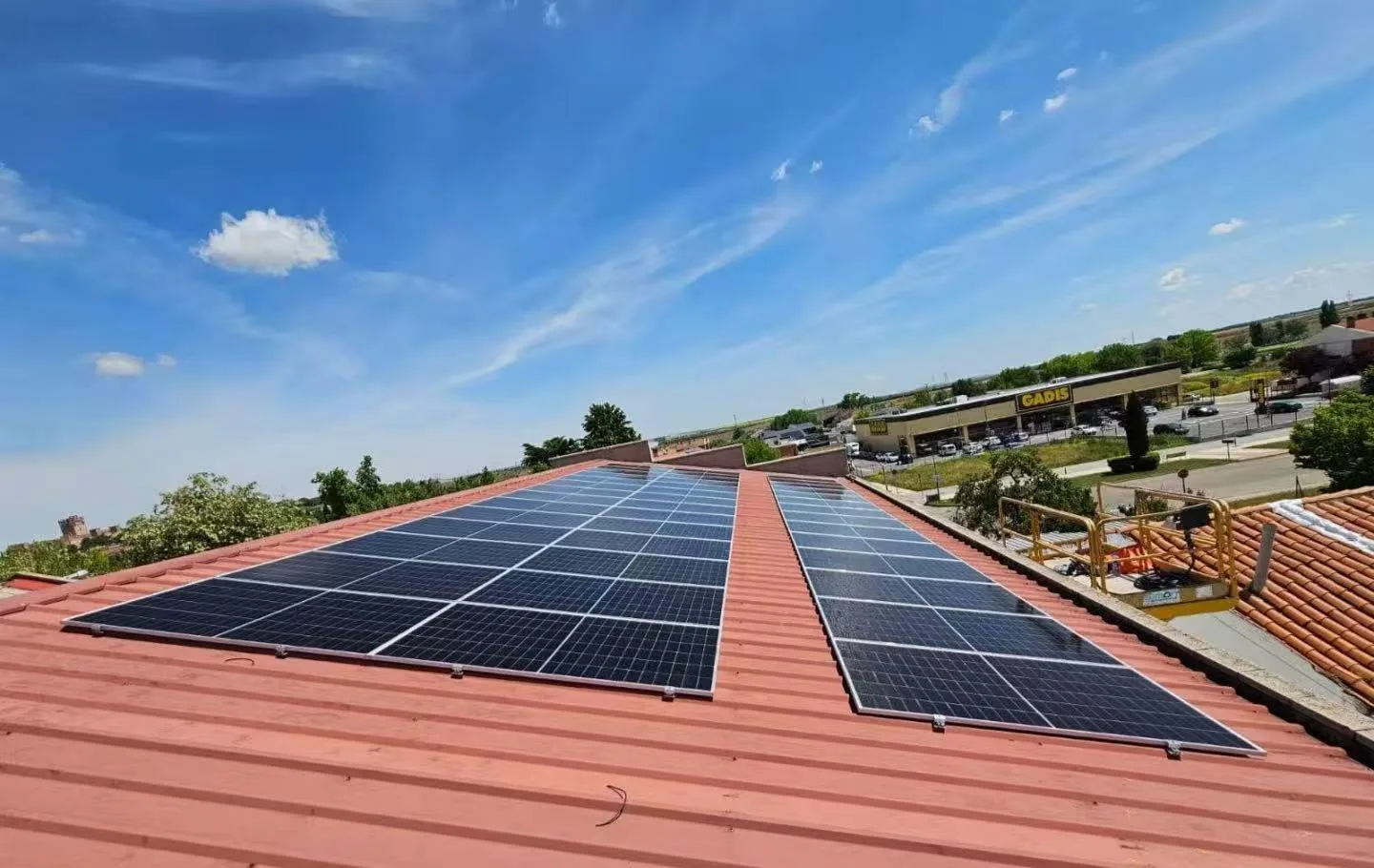
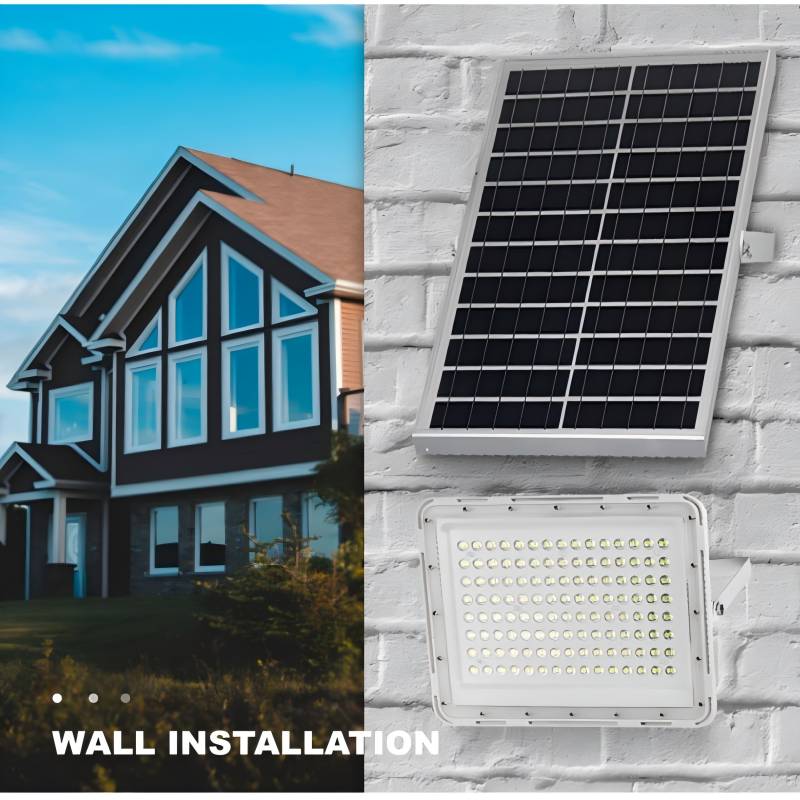
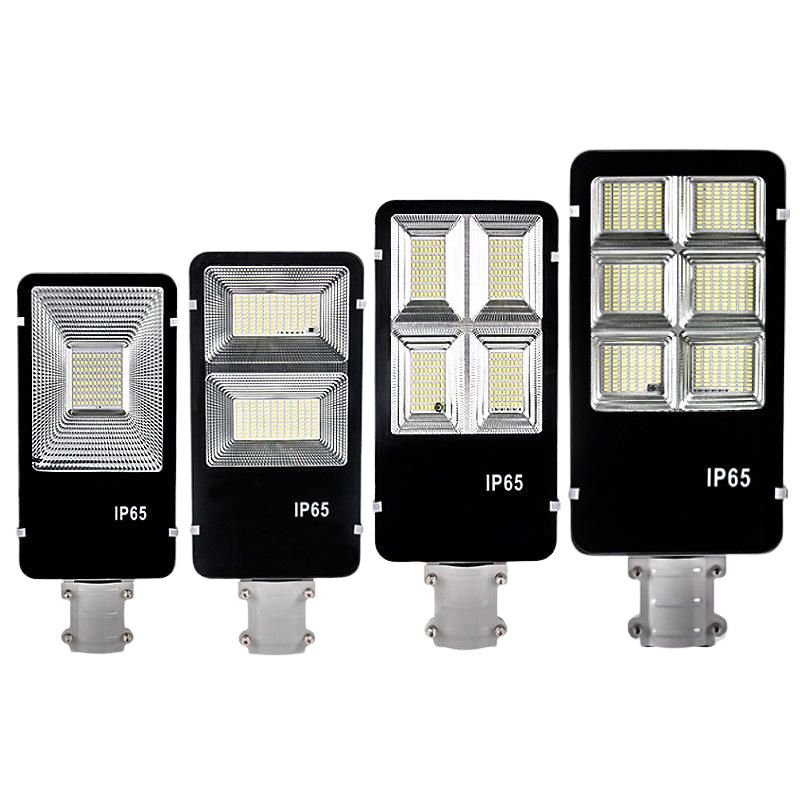
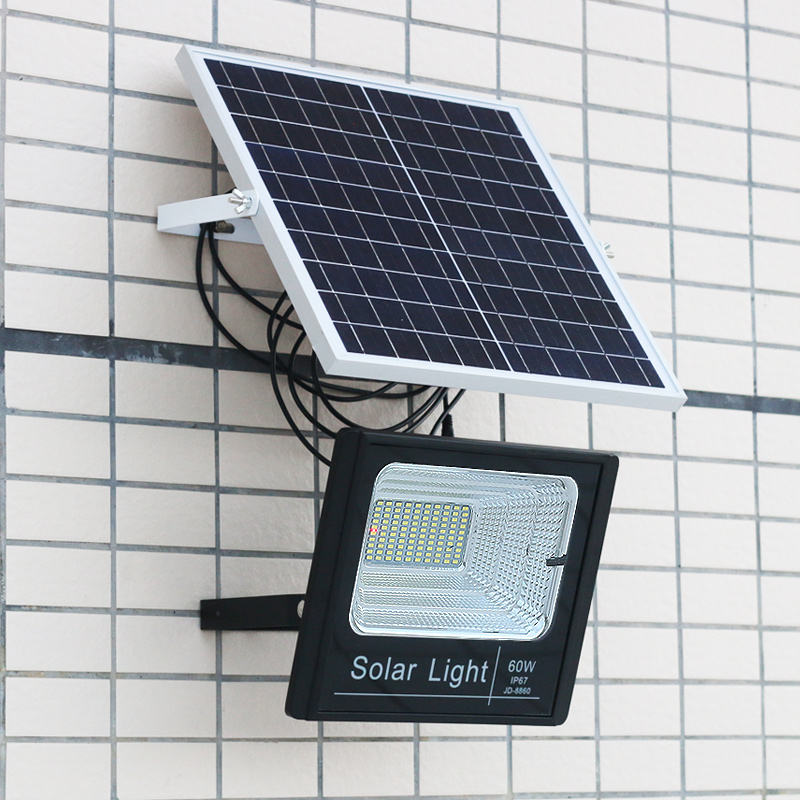
Led solar flood lights are ideal for remote sites or cost-sensitive projects where trenching and cabling are expensive. They operate independently of the power grid and offer flexible installation. While dependent on sunlight availability, modern solar units are effective for perimeter lighting, rural areas, and temporary or off-grid applications.
Motion activated flood lights
Flood lights motion activated use PIR or microwave sensors to illuminate only when movement is detected. This reduces energy use and enhances security for entrances, pathways, warehouses, and residential perimeters. They provide targeted lighting while minimizing unnecessary operation, making them valuable for safety-focused, low-traffic areas.
Dusk to dawn flood lights
Dusk till dawn flood lights automatically turn on at night and off during the day using a built-in photocell. They are widely used in parking lots, public walkways, and building exteriors. The automated operation ensures consistent nighttime visibility with minimal maintenance, reducing labor and operational costs for large facilities.
Smart flood lights
Smart led flood lights integrate IoT, wireless controls, scheduling, and sensor technology for advanced lighting management. They allow centralized monitoring, dimming, and energy optimization across campuses or city districts. As urban infrastructure advances, smart flood lights are becoming a key solution for efficiency and connected outdoor lighting.
Engineering Characteristics That Define a led light flood
To understand why outdoor lights flood perform differently from other fixtures, it helps to look at their core engineering features.
Beam Distribution
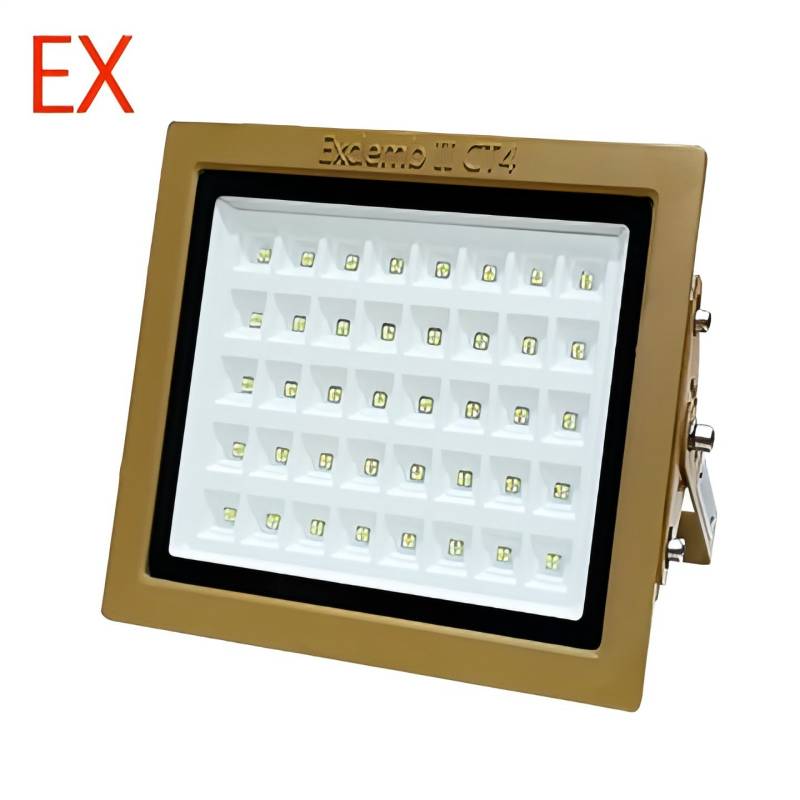
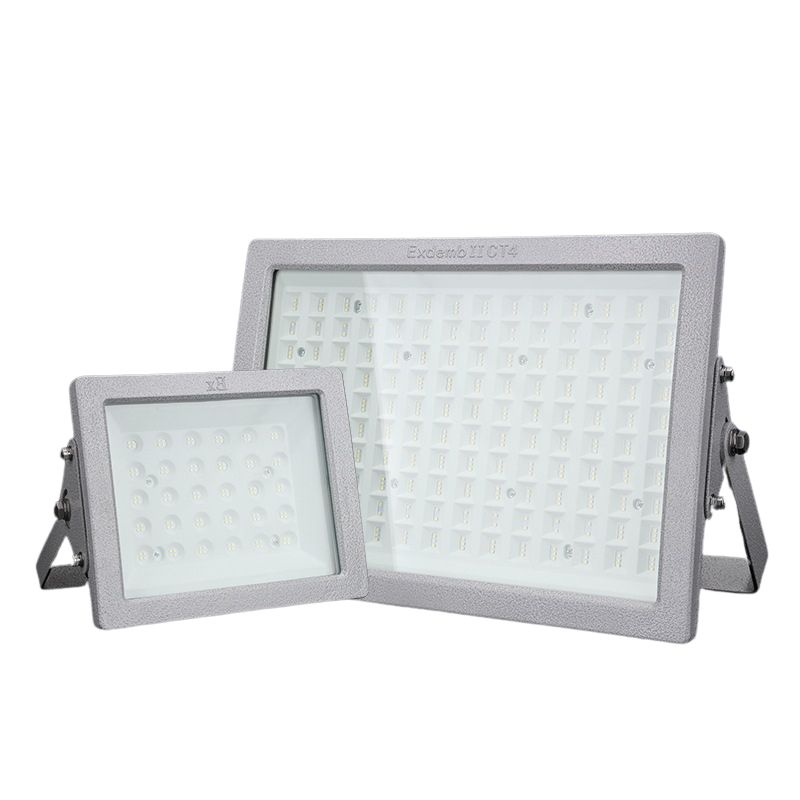
Led flood light lamps are designed with wide, engineered optics to cover large areas. Typical patterns include Type III and Type IV roadway distributions, asymmetrical beams, or custom lenses. These optics spread light across parking areas, façades, yards, or sports fields while controlling glare and limiting upward light. Instead of lighting only a small target like a spotlight, a flood light pushes light out in a broad pattern so the working area is bright and more uniform, which is critical for safety and compliance in outdoor projects.

High Lumen Output
A key reason flood lighting fixtures are used in industrial and municipal projects is their high lumen output. Smaller units may deliver around 10,000 lumens for yards or small compounds, while mid-power models in the 30,000–60,000 lumen range are common for warehouses, building façades, and loading zones. For stadiums, ports, and high-mast poles, flood lights can exceed 100,000 lumens per fixture. This high output allows designers to achieve the required lux levels from tall mounting heights with fewer luminaires and lower total system cost.
Durability & Environmental Protection
Commercial flood light fixtures are built to survive harsh outdoor conditions. Most use IP65–IP67 enclosures to resist rain and dust, and IK08–IK10 impact ratings to handle wind-borne debris or ball strikes in sports areas. Housings are typically die-cast aluminum for strength and heat dissipation, paired with UV-resistant lenses to prevent yellowing over time. Together, these features protect the LEDs and drivers from water, dust, impact, and sunlight, ensuring stable light output and long service life in real-world installations.
Thermal Management
Led outdoor flood light fixtures generate heat that must be removed to protect the LED chips and drivers. Good products use large, finned heat sinks, clear thermal conduction paths from the LED board to the housing, and intelligent driver temperature protection. If heat is not managed, LED junction temperature rises, lumen output drops, and lifetime is cut short. Proper thermal design keeps the LEDs within safe temperature limits, maintains stable lumen output, and helps the fixture reach its rated 50,000–100,000 hour lifetime.
Mounting Flexibility
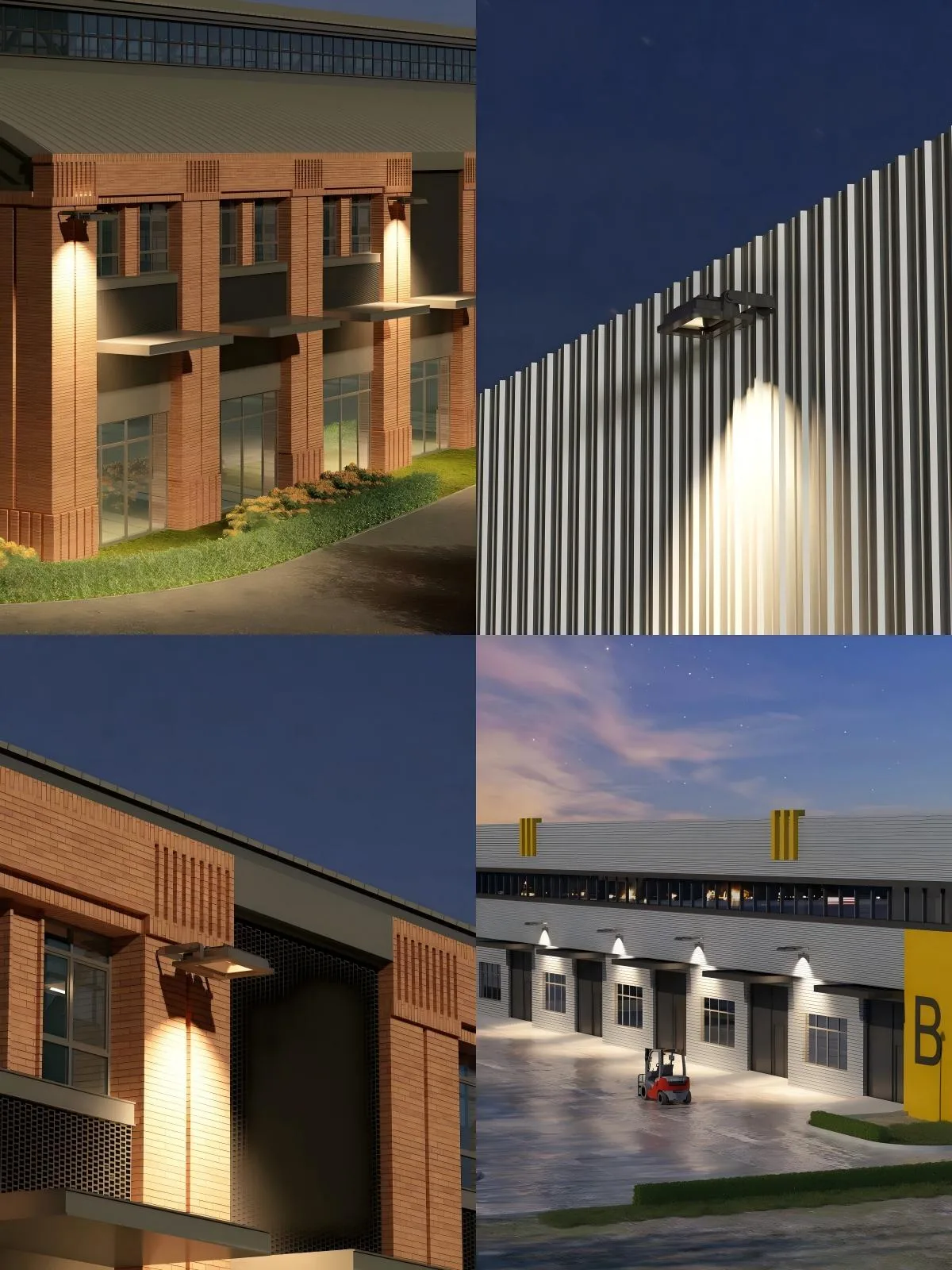
Outdoor floodlight fixtures are engineered to mount in many ways so designers can aim light exactly where it is needed. Common options include adjustable brackets for walls and structures, high-mast pole arms for ports and highways, trunnion mounts for precise tilt control, slip-fitters for round poles, and wall mounting for perimeter and security lighting. This mounting flexibility allows contractors to fine-tune aiming angles, avoid glare and light trespass, and optimize coverage for each project layout.
Where led flood lamp fixtures Deliver the Most Value
Industrial & Manufacturing Sites
Industrial plants and factories depend on reliable flood lighting to keep people and equipment safe. In production halls, outdoor work yards, and process areas, LED flood lights provide bright, uniform light so workers can see hazards, read labels, and operate machines at night. Good industrial flood lighting reduces accidents, supports 24/7 shifts, and helps sites meet OSHA and EN 12464-1 safety guidelines. With IP65–IP67 protection and high lumen output, LED flood lights are ideal for steel plants, fabrication shops, refineries, and heavy manufacturing environments where
Logistics & Warehousing
Modern logistics hubs and warehouses need powerful flood lights to keep truck traffic and goods movement safe after dark. Pole-mounted or wall-mounted LED flood lights brighten loading docks, trailer bays, driveways, and yard storage areas. This improves truck maneuvering, reduces collision risk, and gives security cameras a clear view of vehicles and people. For 24/7 operations, high-efficiency outdoor led flood fixtures help maintain consistent lux levels while cutting energy use compared with metal halide fixtures. In large distribution centers, well-designed flood lighting also supports better workflow, faster loading, and fewer picking errors, especially in outdoor staging zones.
Sports & Stadium Lighting
Sports fields and stadiums rely on high-power LED flood lights to deliver bright, even lighting across long distances. Football pitches, baseball fields, tennis courts, and multi-sport arenas all need strong “long-throw” beams with high uniformity so players, referees, and spectators can see clearly. Modern stadium flood lights use precise optics to keep light on the field while limiting spill light and glare to nearby residents. For TV-broadcast venues, LED flood systems also support high vertical lux levels and good color rendering, which are critical for HD and 4K cameras. This makes LED flood lights the standard choice for new and retrofit sports lighting projects.
Municipal & Urban Lighting
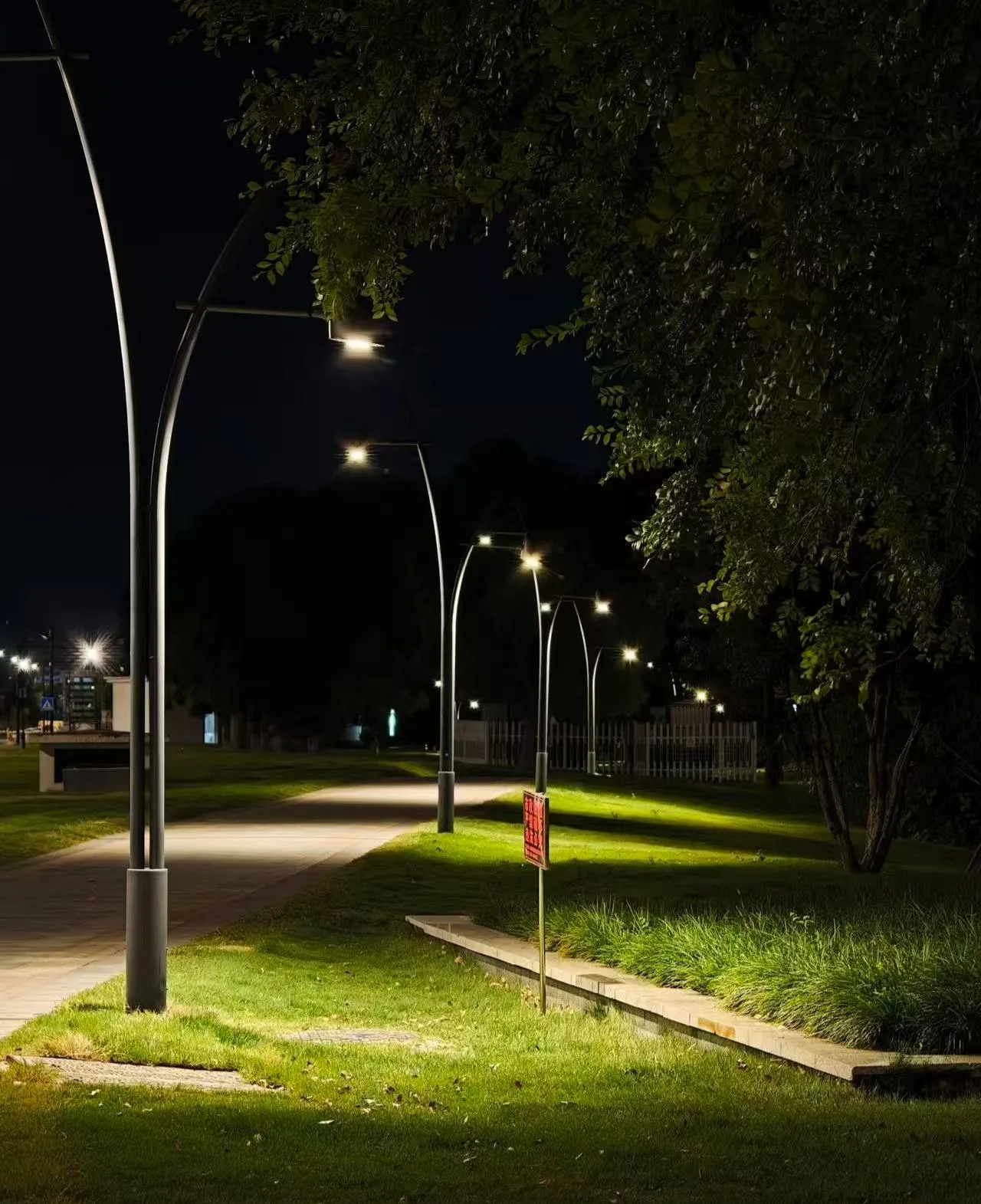
Cities use flood lights to make public spaces safer and more usable after dark. LED flood lights are widely installed in parks, public plazas, riverfronts, underpasses, and large parking areas. They provide broad, uniform light that supports pedestrian safety, reduces crime risk, and improves the overall feeling of comfort in urban environments. With the right optics and mounting heights, flood lights can meet EN 13201 and IES RP-8 lighting levels while controlling glare and light spill into nearby homes. For municipalities, LED flood lighting also offers lower energy bills, reduced maintenance, and easier integration with smart city control systems.
Commercial & Retail Exteriors
Commercial buildings and retail sites use LED flood lights to highlight façades, entrances, and outdoor signage while improving safety. Wall-mounted or ground-mounted flood lights can wash light across architectural surfaces, making storefronts and brand logos stand out at night. At the same time, well-designed flood lighting brightens walkways, parking bays, and loading doors so customers and staff can move safely. Compared with old halogen or metal halide fixtures, LED flood lights provide better color rendering, lower energy use, and longer life, making them ideal for shopping centers, car dealerships, hotels, supermarkets, and office complexes.
How to Select the Right flood light outdoor fixture for Your Project
Selecting a flood light for B2B projects is not just about wattage. Engineers and buyers need to review key technical factors: required lumen output, beam angle and photometric distribution, mounting height, IP and IK ratings, color temperature and CRI, sensor and control compatibility, driver quality, expected maintenance cycles, total cost of ownership (TCO), and the ROI from energy savings. For critical sites such as factories, logistics yards, stadiums, and public spaces, always check that the flood light meets the relevant NEMA beam classifications and IES/EN standards for glare control, uniformity, and safety.
Why LED Flood Lights Dominate Modern Projects
Modern LED flood lights offer clear, measurable advantages over old HID systems in industrial and municipal projects. They cut electricity use by about 50–80%, because they deliver far more lumens per watt and waste less energy as heat. Their long service life—typically 50,000–100,000 hours—means maintenance can move from every 6–12 months with HID to 3–5 years or more with LED, sharply reducing lift-truck work and downtime. LEDs also support smart controls such as 0–10V or DALI dimming, motion sensors, and photocells, which further reduce energy use. With better optical precision, they put light exactly where it is needed, improving uniformity and nighttime visibility. In large plants, ports, logistics yards, and high-mast areas, these factors together deliver lower operating cost, higher safety, and more stable long-term performance.
Conclusion — Why They Are Called Flood Lights
They are called “flood lights” because they flood an area with light, delivering wide, powerful illumination that most other fixtures cannot provide. In modern B2B projects, however, flood lights are much more than wide-beam luminaires. They function as safety equipment that protects workers and pedestrians, operational tools that support night shifts and 24/7 logistics, architectural lighting elements that highlight façades and public spaces, and long-term infrastructure assets tied directly to energy management and ROI. With today’s LED technology, flood lights combine precise optics, high efficiency, and robust durability, making them a critical lighting solution for municipalities, industrial sites, and commercial facilities.
FAQ:
Why are they called “flood lights”?
They are called “flood lights” because they flood an area with a wide, powerful beam of light, instead of lighting only a small spot. In lighting engineering, “flood” means filling a large space with uniform illumination, which is why flood lights are used for sports fields, parking lots, façades, and industrial yards.
What is the difference between a flood light and a spotlight?
Flood lights use a wide beam angle (about 60°–150°) to cover large areas such as sports fields, warehouses, and logistics yards. Spotlights use a narrow beam (about 10°–30°) to highlight specific objects like signs, architectural details, or stages, making them better for accent lighting than for area safety lighting.
Where are LED flood lights most commonly used in B2B projects?
LED flood lights are widely used in industrial plants, logistics and warehousing yards, airports, ports, mining sites, stadiums, highway interchanges, parks, plazas, and large parking areas. These sites need bright, uniform light from medium to high mounting heights to support safety, operations, and security after dark.
How do I choose the right LED flood light for my project?
Start with the required lumen output and beam angle based on your target lux level and mounting height. Then check IP and IK ratings, color temperature and CRI, driver quality, sensor compatibility, and certifications against IES/EN/NEMA standards. Finally, compare total cost of ownership (TCO) and expected ROI from energy and maintenance savings, not just wattage.
Why are LED flood lights replacing metal halide and other HID flood lights?
LED flood lights use about 50–80% less energy than HID while delivering higher lumen-per-watt performance and instant-on operation. They typically offer 50,000–100,000 hours of life, much lower maintenance, better optical control, and easy integration with dimming, motion sensors, and smart city systems—giving industrial and municipal users a much better long-term ROI.
Can LED flood lights help reduce light pollution?
Yes—when designed correctly. LED flood lights with full-cutoff optics, the right beam distribution, lower CCT, and smart controls can keep light on the ground, reduce glare and spill, and limit sky-glow. Poorly aimed or overpowered flood lights, however, can still cause glare and light trespass, so photometric design and correct installation are critical.