Skip to content
Street lighting is a critical part of any community, whether urban or rural. It provides much more than just light at night. It ensures safety, improves visibility, enhances the beauty of streets, and helps create sustainable urban areas. In this blog, we will explore why street lighting is so important, the different types of lights used, and the many benefits street lights bring to neighborhoods and cities.
What is Street Lighting?
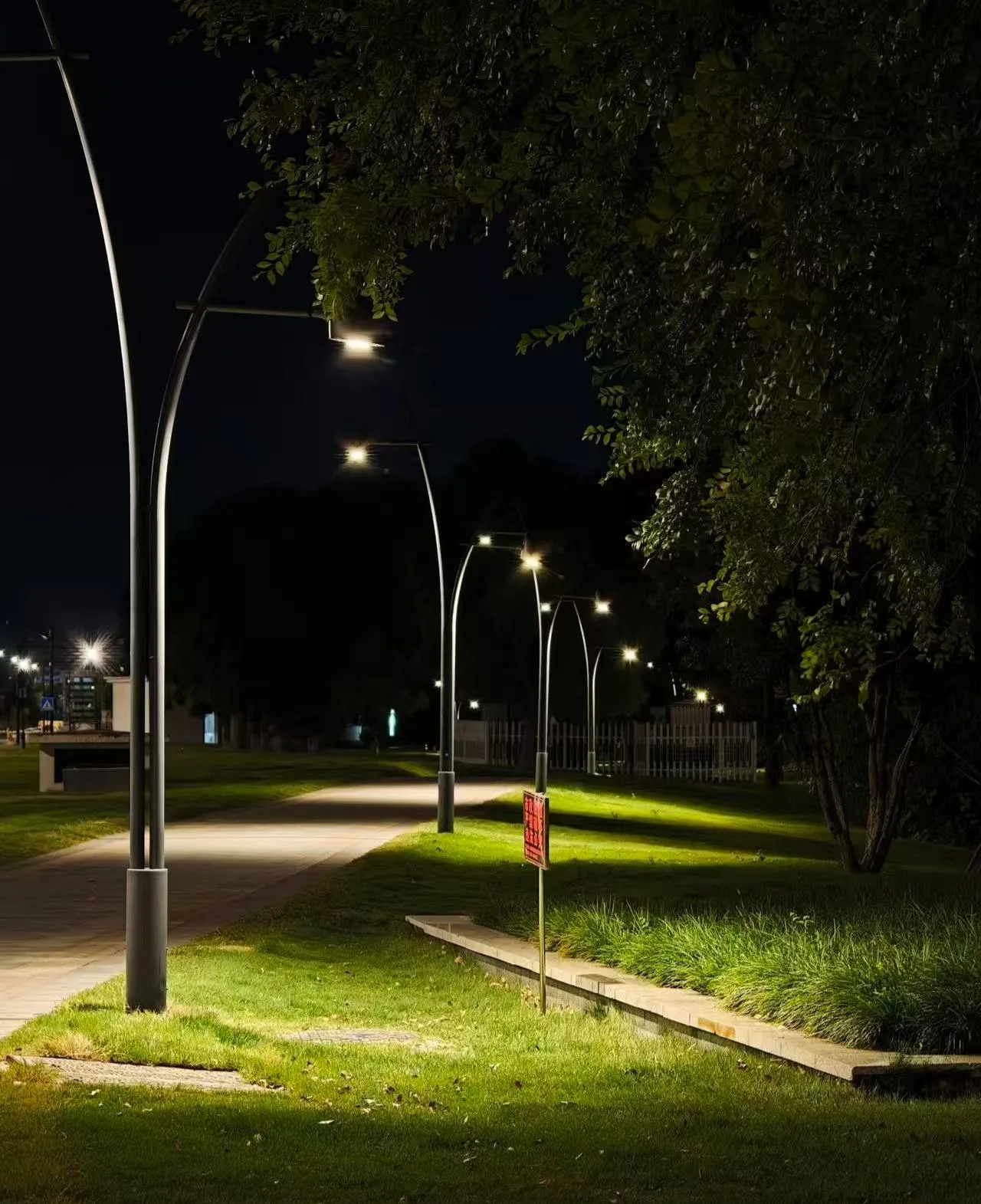
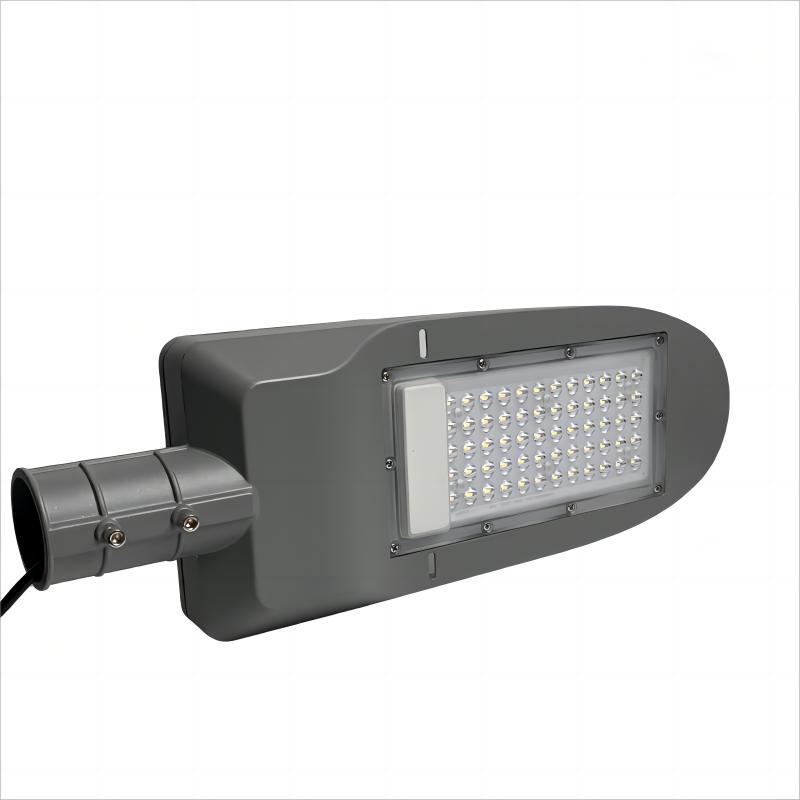
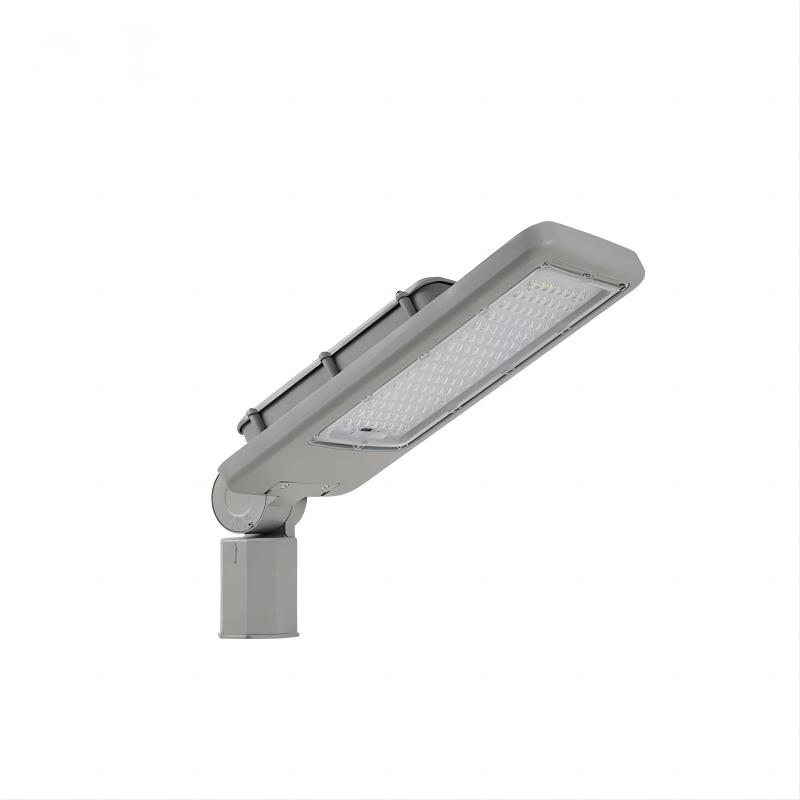
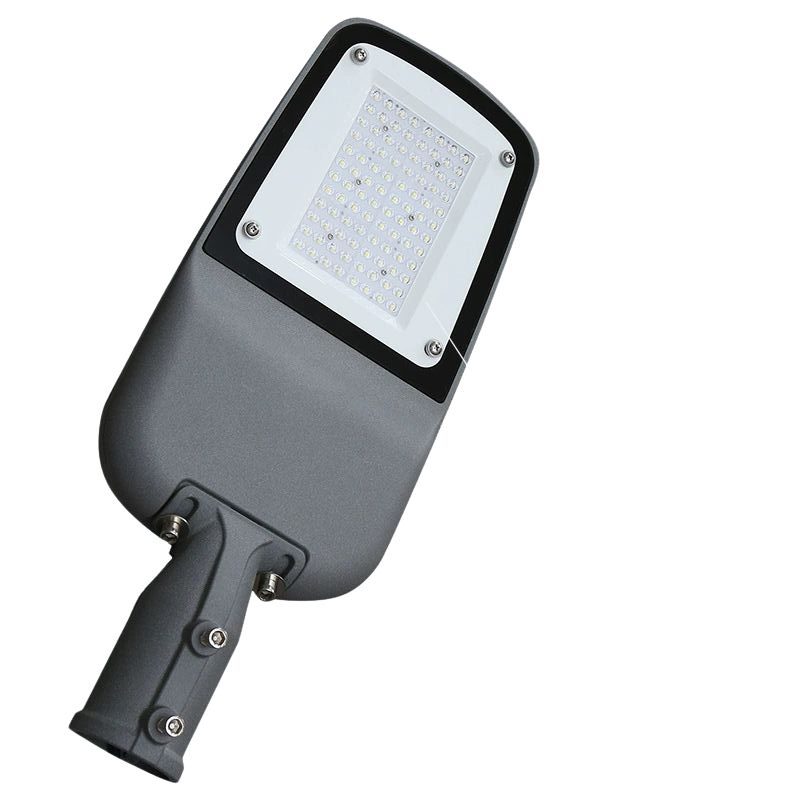
Street lighting is the use of artificial light to light up roads, streets, and pathways at night. These lights are usually placed on poles or posts and can use different types of bulbs, such as led streetlight, streetlamps, and decorative street lighting. Over the years, street lighting has improved from traditional lamps to modern, energy-efficient lights, making streets safer and easier to navigate.
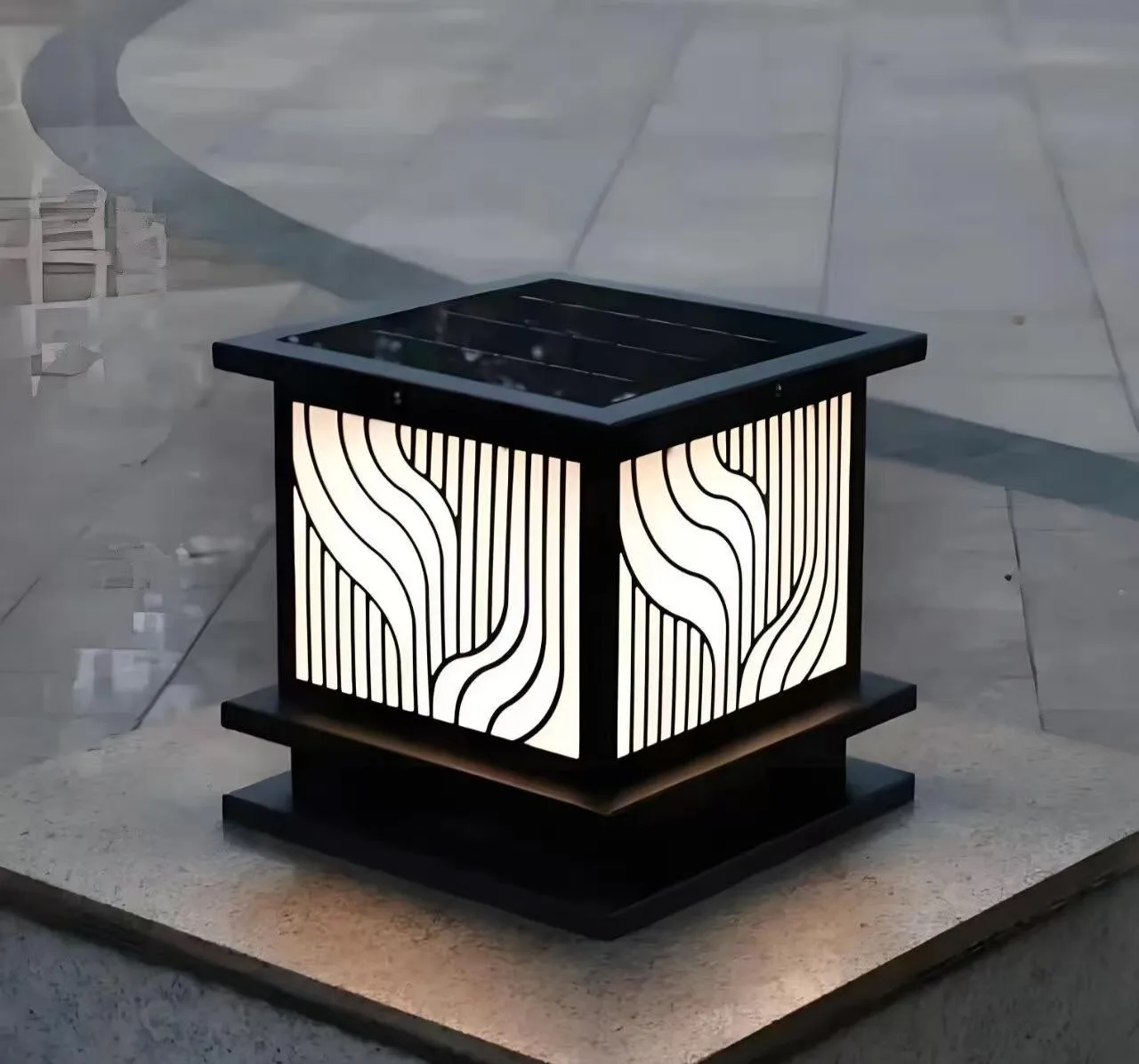
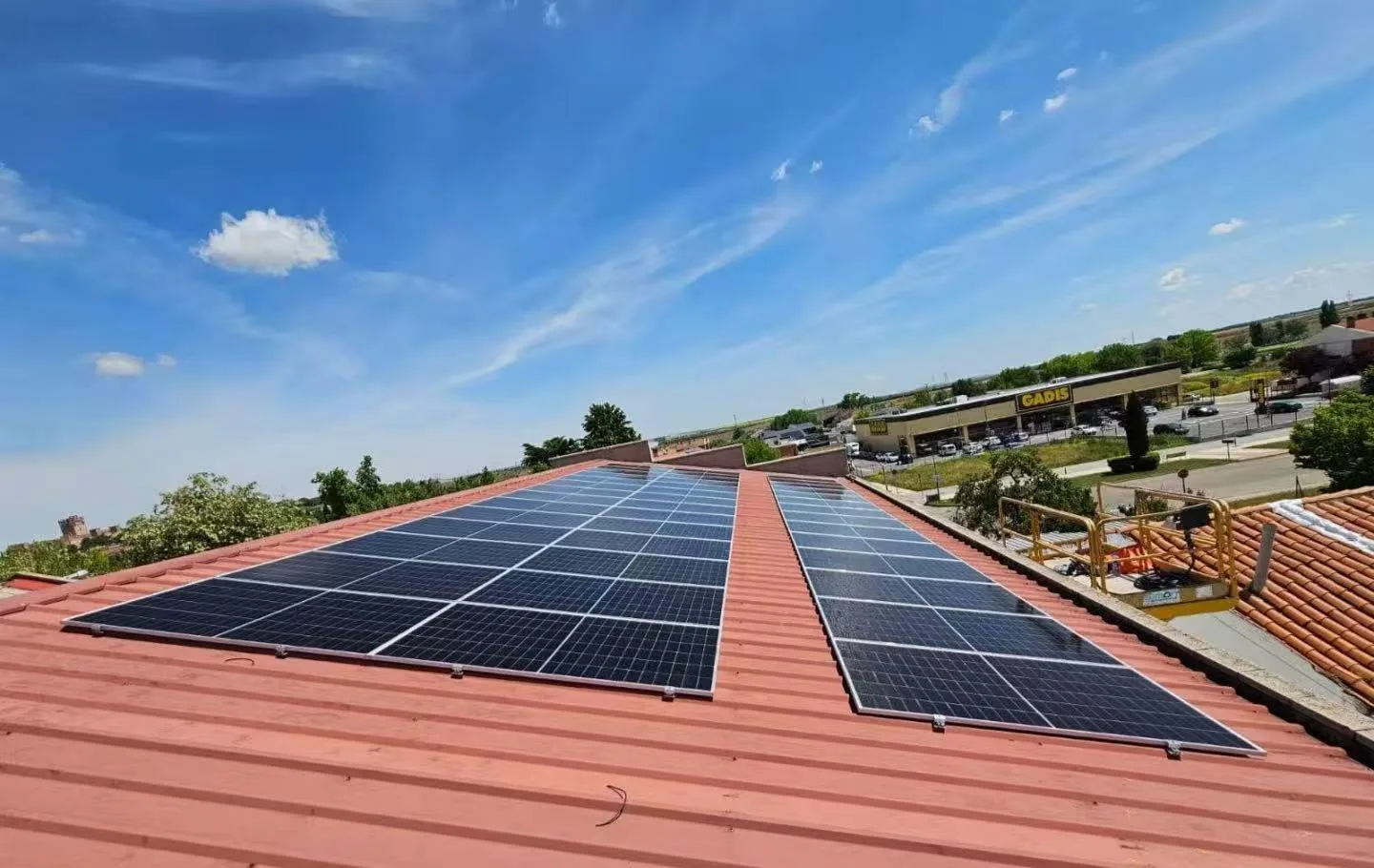
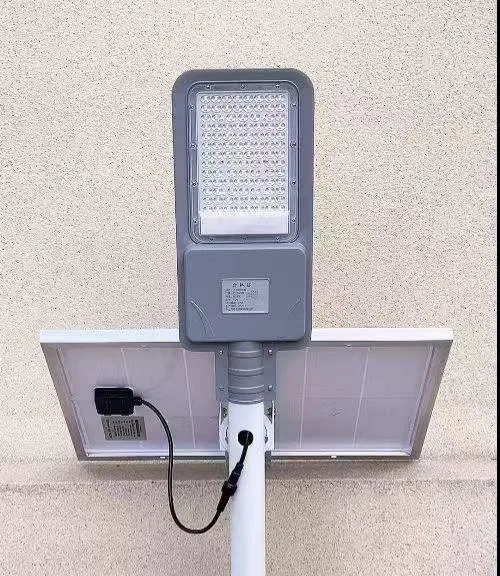
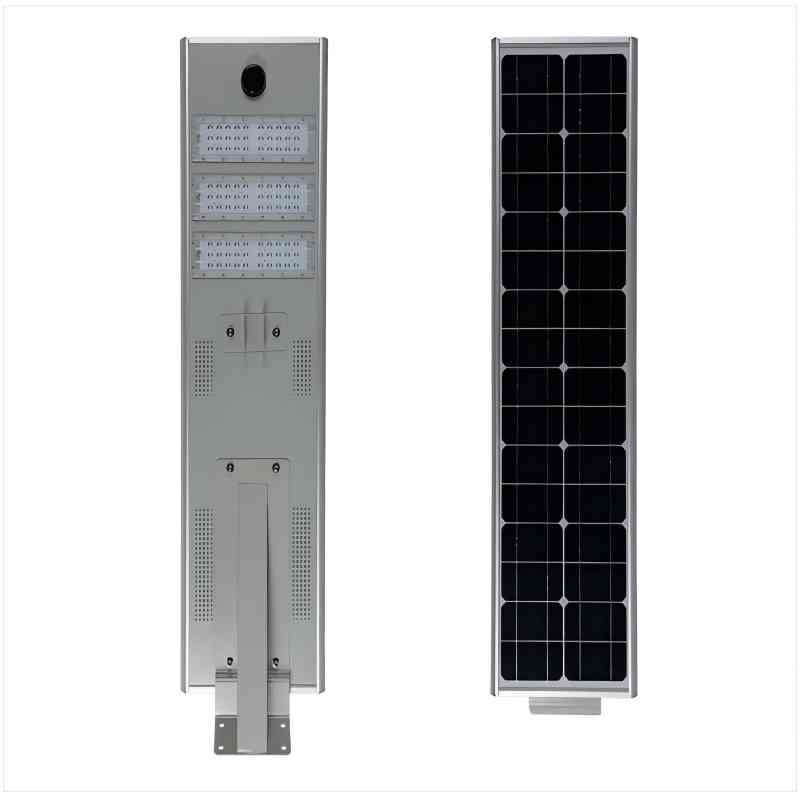
Some street lighting systems use solar-powered lights, which use the sun’s energy to provide light at night. The choice of lighting depends on many factors, including safety, cost, energy efficiency, and the area’s design needs.
The Core Purposes of Street Lighting
Street lighting has several important functions. Let’s look at why street lighting is so essential to our communities.
Improving Safety and Reducing Crime
One of the most important purposes of street lighting is safety. Proper lighting helps prevent accidents, reduces crime, and makes streets safer for everyone.
Pedestrian Safety: Well-lit streets allow people to see where they are going, which helps prevent trips and falls. Whether it’s a busy neighborhood street light or a quiet residential area, good lighting makes walking safer. Research shows that when street lighting goes from low to moderate, pedestrian crashes can drop by up to 78%. Proper lighting, such as lighting street lamps, helps keeps streets safer by helping people see where they’re walking. (ScienceDirect)
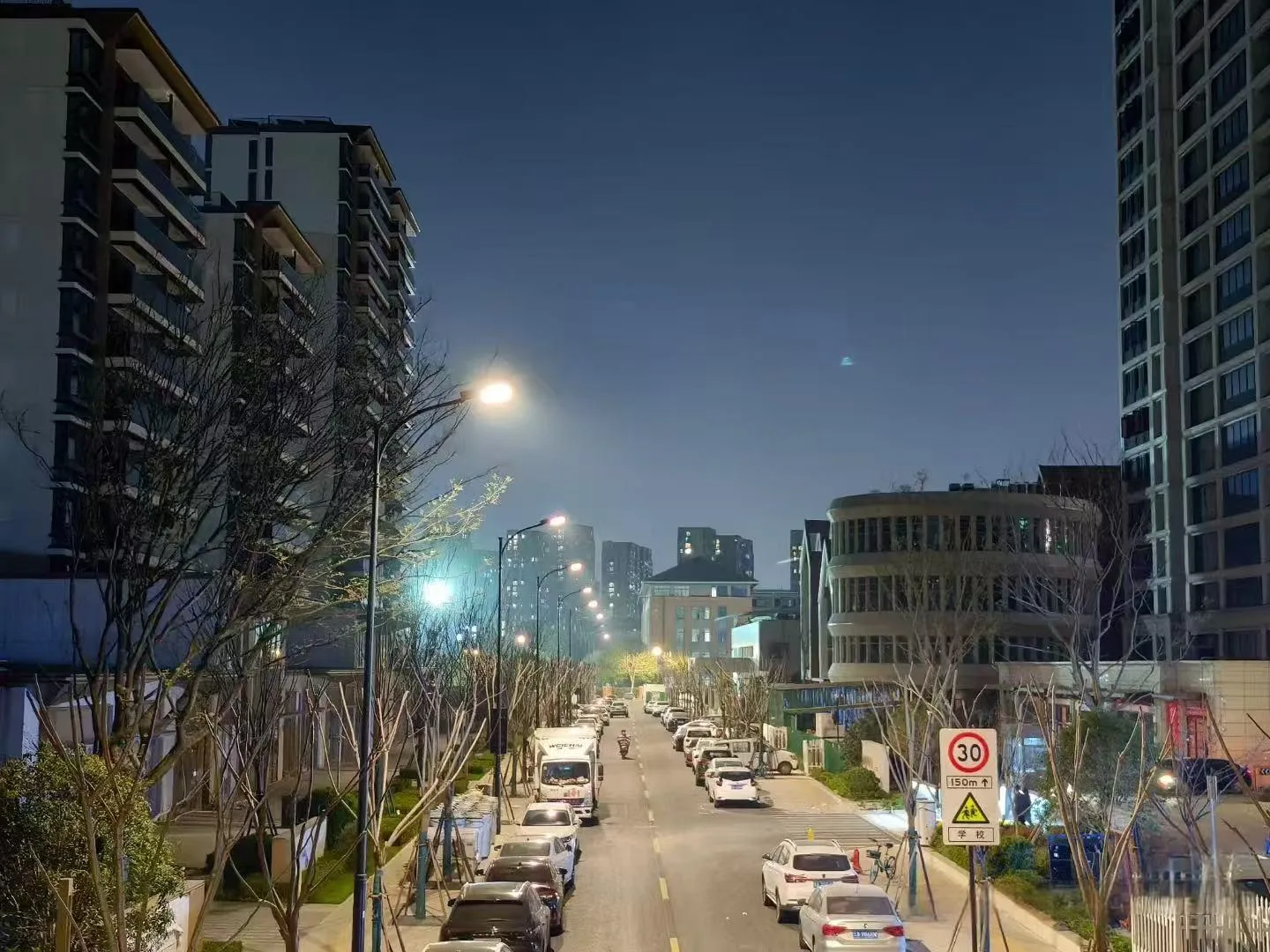
Crime Prevention: residential street lamps and neighborhood street lights play a big role in reducing crime. Criminals avoid areas with good lighting because it makes it easier for people to see them and for law enforcement to spot suspicious activities. Cities with proper street lights outdoor tend to have lower crime rates, especially in areas that are usually dark at night.A study found that better street lighting, such as modern street lights or LED lights street, can lower crime by 14%, especially property crimes like theft and vandalism. (Prohic) Improving street lighting can help cities lower crime risk.
In poorly lit areas, like dark neighborhood streets, there is a higher chance for criminal activity to occur. By upgrading to modern lighting systems like LED streetlights or contemporary street lights,cities can reduce crimes such as theft, vandalism, and even assault.For example, after upgrading street lighting in high-crime areas, New York City saw a 20% drop in crime. (University of Chicago Crime Lab)
Enhancing Visibility for Drivers and Pedestrians
Good lighting is important for both drivers and pedestrians to see clearly at night. Proper lighting ensures that roads are safer for everyone, whether you’re walking or driving.
For Drivers: Proper street lighting ensures that drivers can see signs, pedestrians, other vehicles, and any obstacles in advance. It reduces the chances of accidents caused by poor visibility.For example, street light modern systems provide better illumination for road signs and pedestrian crossings, making it easier for drivers to navigate at night.
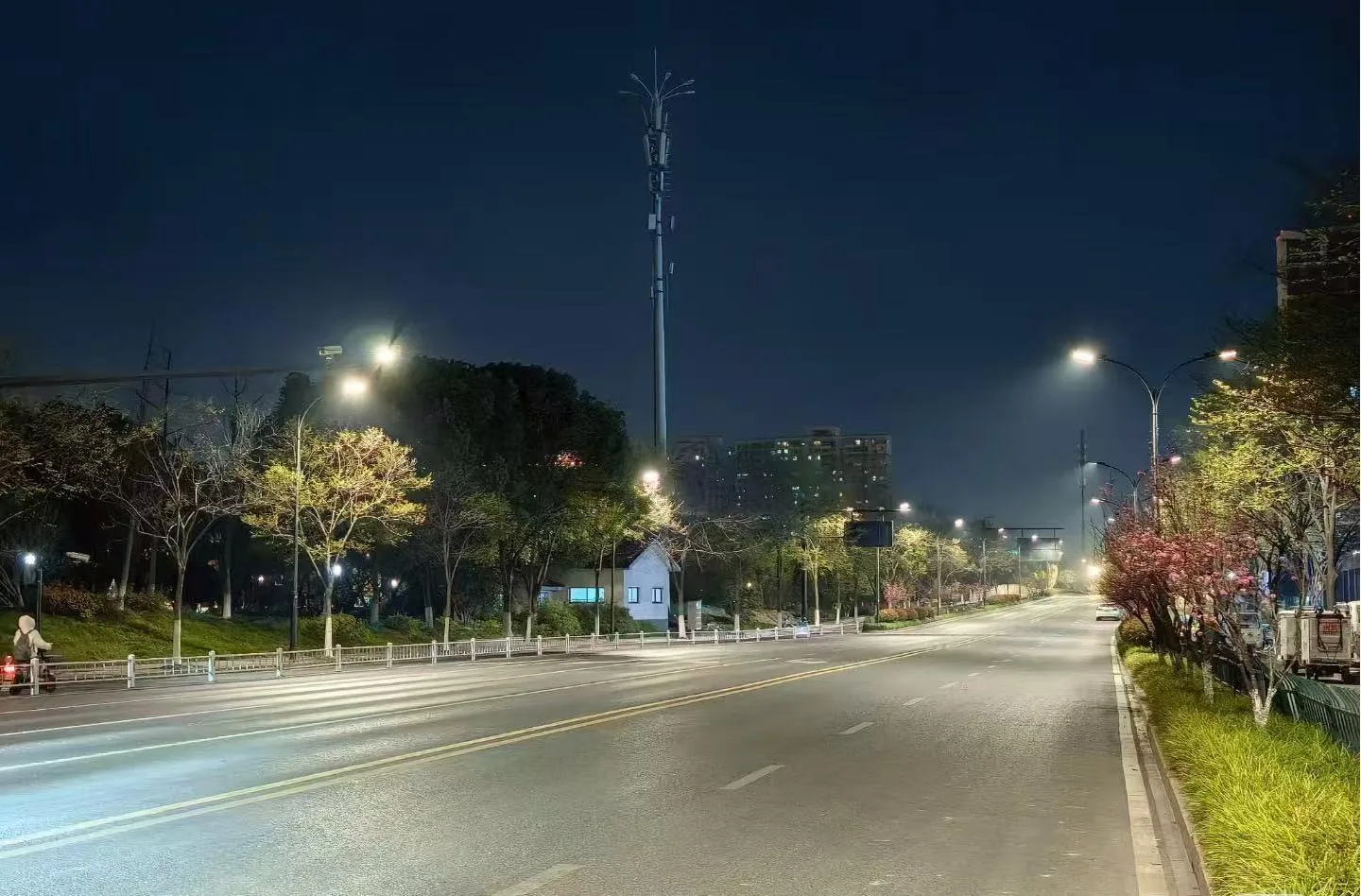
For Pedestrians and Cyclists: Street lights help pedestrians and cyclists see obstacles like potholes, debris, or animals in their path. Proper lighting makes walking or cycling at night much safer.
For example, street with lights allows people to walk home with more confidence, knowing they can see clearly. Without enough light, roads become risky, especially on dark neighborhood street or poorly lit residential areas.
Aesthetic Value and Community Well-Being
Street lighting also plays an important role in making neighborhoods and public spaces more attractive and inviting.
Creating a Welcoming Environment: Decorative street lighting can make streets, parks, and public spaces look more beautiful. By carefully designing the lighting and placing it in the right spots, cities can transform ordinary streets into lively, welcoming spaces for everyone.In fact, one study found that cities with better street lighting have up to 14% lower crime rates, especially for property crimes like theft. (Prohic)
Encouraging Nighttime Activity: Well-lit streets make people feel safer and more comfortable engaging in outdoor activities after dark, such as walking, cycling, or shopping. Research by the Federal Highway Administration shows that good street lighting can increase nighttime activities by 30% to 40%, making cities more vibrant at night. When streets are brightly lit, they encourage people to spend more time outdoors, improving the quality of life in the community. (FHWA)
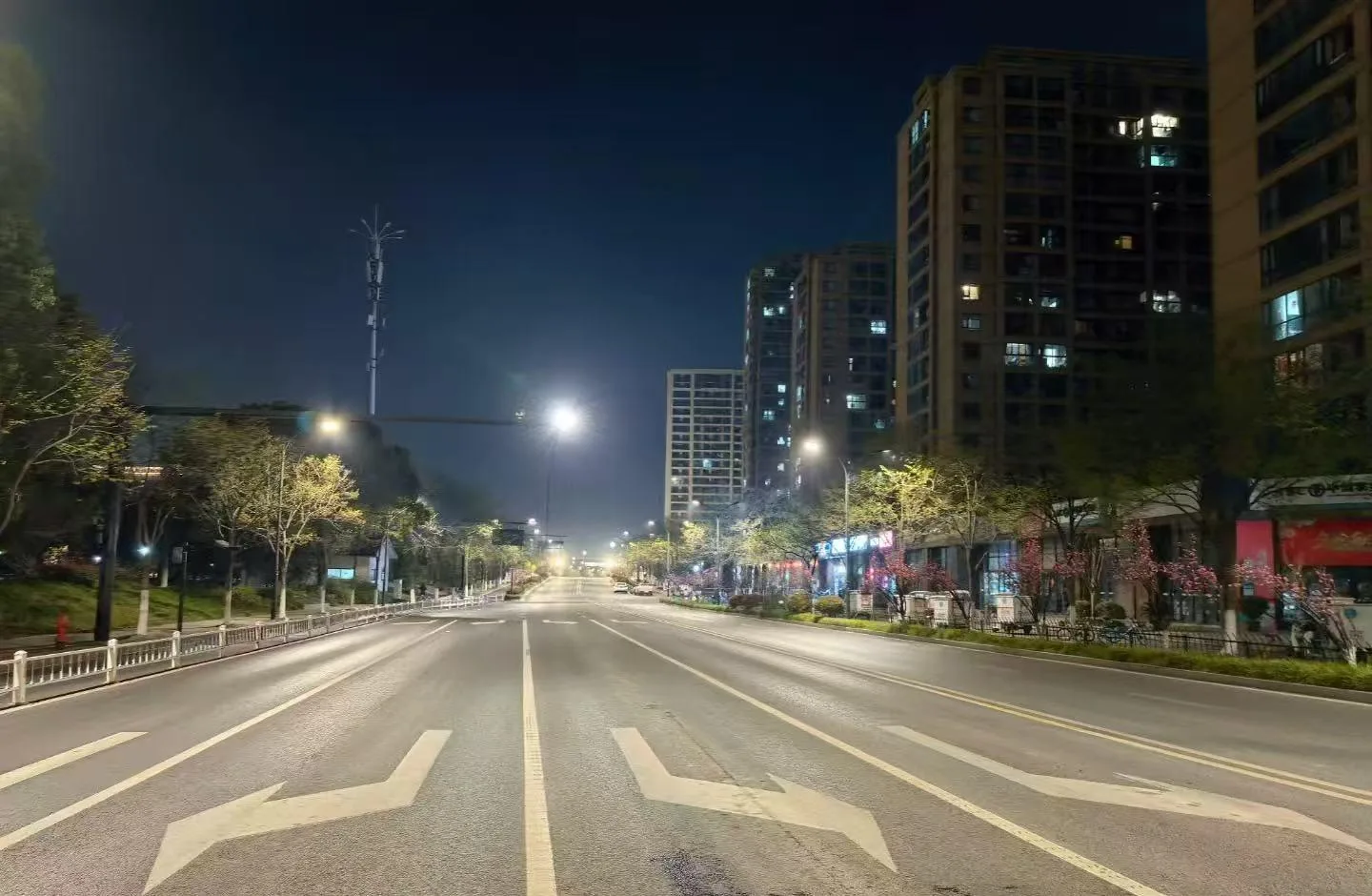
Whether it’s a modern street lights or a traditional light street lamp, lighting improves the overall atmosphere of public spaces, making them more enjoyable for everyone.Proper street lighting not only increases safety but also brings a positive change to the city’s image, inviting people to enjoy their neighborhoods and public spaces after dark.
Energy Efficiency and Environmental Benefits
In today’s world, energy efficiency is very important when designing street lighting systems. led outdoor lamps have changed the way cities handle commercial street lighting by offering a more sustainable, cost-effective solution.
Cost-Effective: LED streetlights use less energy compared to old-fashioned lights, which helps cities save money on electricity bills. Studies show that LED streetlights use 50% to 70% less energy than traditional high pressure sodium street light. Over time, switching to LED lights can save cities a lot of money. For example, cities that switched to led lighting outside have saved up to 50% on their electricity bills. (FHWA)
Sustainability: Besides saving energy, LED lighting is also better for the environment. These lights last longer and produce fewer emissions compared to traditional bulbs. A typical LED streetlight lasts more than 50,000 hours, while traditional bulbs last only 8,000–12,000 hours. This means fewer replacements and lower costs. LED lighting also helps reduce CO2 emissions. For every 1,000 LED streetlights, cities can cut down 500 tons of carbon emissions every year. Many cities are now using solar-powered lights, which use the sun’s energy. This reduces their need for fossil fuels and helps the environment. Using solar lighting also makes city buildings and roads more sustainable. (Prohic)
By using solar powered outdoor led lights, cities can reduce their carbon footprint, promote green urban development, and make their street lighting systems more eco-friendly.
Smart Lighting and Technological Innovations
The future of street lighting isn’t just about lighting up the streets at night. It’s about using technology to make street lighting systems smarter and more efficient.
Smart Street Lighting: Intelligent street lighting systems can adjust their brightness based on factors like the time of day, traffic levels, or weather conditions. For example, lights can dim in less crowded areas to save energy, while brightening in busier places with more people or cars. Studies show that smart lights can save 20% to 60% of energy in less crowded areas. In London, smart lights saved 40% of energy and made the light better. (British Government Report)
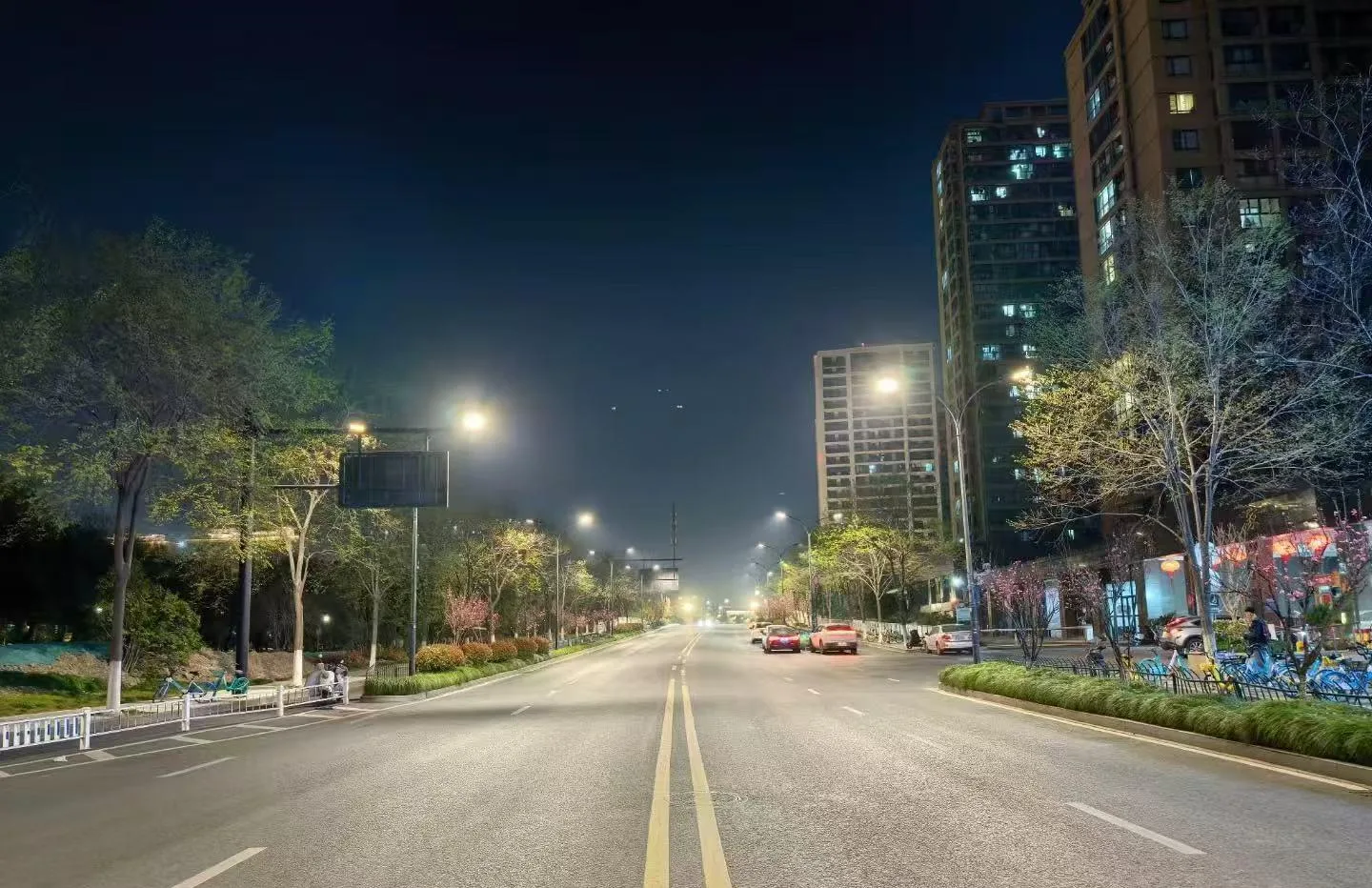
Remote Monitoring: Cities can use smart systems to check how well the street lights are working in real-time. This helps find problems quickly and makes fixing them easier. For example, cities can get alerts when a light is broken, so repairs happen faster and are cheaper. Studies show that real-time monitoring can reduce repair costs by 30% to 50%. (Global Lighting Association)
These smart lighting systems can also include sensors and cameras in street light lamp post, allowing for additional features like air quality monitoring, traffic flow tracking, or even public event management.
How Street Lighting Supports Sustainable Urban Development
Street lighting plays a key role in developing smart cities and creating sustainable urban environments. The shift from old lighting systems to LED streetlights and smart lighting helps cities meet sustainability goals.
Sustainable Infrastructure: Installing solar-powered street lights or upgrading to smart lighting systems can help cities reduce their energy usage and meet their environmental targets.
Better Mobility: By integrating lighting with other smart city technologies, street lights can help improve traffic flow, make streets safer for pedestrians, and support green transport systems like electric buses or bikes.
Cities are recognizing that street lighting is not just about providing light—it’s about creating connected, efficient, and sustainable urban spaces. By investing in modern lighting systems, cities can improve residents’ quality of life, reduce costs, and work towards a greener future.
Conclusion
In conclusion, the purpose of street lighting goes far beyond just lighting up the streets at night. It is crucial for enhancing safety, improving visibility, encouraging social activities, and contributing to sustainable urban development. With modern LED street lighting, cities can save energy, reduce costs, and help the environment. As technology advances, street lighting will become even smarter, working alongside other city systems to make urban areas more connected and resilient.
By focusing on the core purposes of street lighting—safety, energy efficiency, aesthetic value, and sustainability—cities can create environments where residents feel safe, welcomed, and engaged. As municipalities continue to adopt smarter and greener solutions, street lighting will remain a cornerstone of urban development, helping to build better, more vibrant communities for the future.
FAQ (Frequently Asked Questions)
How does street lighting improve safety?
Street lighting improves safety by enhancing visibility on roads, reducing accidents, and deterring crime. Well-lit areas are safer for pedestrians, cyclists, and drivers, ensuring better navigation and reducing the risk of accidents and criminal activities.
What types of street lighting are most energy-efficient?
LED streetlights are the most energy-efficient lighting solution currently available. They use significantly less energy than traditional lights, have a longer lifespan, and reduce operational costs.
Can street lighting reduce crime?
Yes, adequate street lighting reduces the chances of crime. Well-lit streets provide better visibility for law enforcement and residents, making it harder for criminal activities to take place without being noticed.
How does smart street lighting work?
Smart street lighting uses sensors and technology to adjust light brightness based on factors like traffic, time of day, or weather conditions. It also allows for remote monitoring and control, which helps improve maintenance and energy efficiency.
What are the environmental benefits of LED street lights?
LED street lights are more sustainable as they use less energy, last longer, and produce fewer carbon emissions than traditional lighting solutions. Many cities are also adopting solar-powered street lights, further reducing their environmental impact.
Call to Action (CTA)
Interested in upgrading your street lighting system to a smarter, more energy-efficient solution? Contact us today to learn more about our LED street lighting solutions, including solar-powered options, smart lighting systems, and customized designs that enhance safety and sustainability in your community. Let’s work together to create a safer, greener, and more connected urban environment!