Skip to content
Parking lot lighting is a critical part of modern commercial and municipal infrastructure. It affects safety, visibility, security, operational efficiency, and long-term cost—yet it is still often misunderstood or oversimplified. Choosing the right type of parking lot light is not about selecting the highest watt led light bulb or the brightest light bulb led. It is about design a parking lot system that delivers the right light, in the right place, for the right purpose.
This comprehensive guide explains the main types of parking lot lights used in real projects today, how they differ, and how they fit into a professional lighting street design process. The focus is practical and engineering-based, intended for commercial property owners, municipal planners, lighting designers, and B2B decision-makers.
Why lighting for parking lots Matters
Parking lots are transitional spaces. People move between vehicles and buildings, often at night, in environments with mixed traffic, changing weather, and limited visual cues. Poor lighting increases the risk of accidents, reduces personal security, and creates liability for property owners. Good lighting does the opposite—it supports safe movement, improves visibility, and creates a sense of order and control.

From a commercial perspective, led lighting for parking lots also affects how a site is perceived. A well-lit parking area signals professionalism, care, and reliability. A poorly lit one can discourage visitors before they ever enter the building. For municipalities, outdoor parking lot lighting is part of broader urban lighting strategies that must balance safety with light pollution, energy use, and neighborhood impact.
Importantly, more light is not always better. Excessive brightness can cause glare, reduce visibility, and waste energy. Modern lighting for parking lot is about controlled illumination, not raw output. This is why understanding lighting types and design principles is essential before selecting fixtures.
Parking Lot Lighting vs. car parking lighting
A common source of confusion—especially in online searches—is the difference between parking lot lights and vehicle parking lights. These are completely different systems with different purposes.
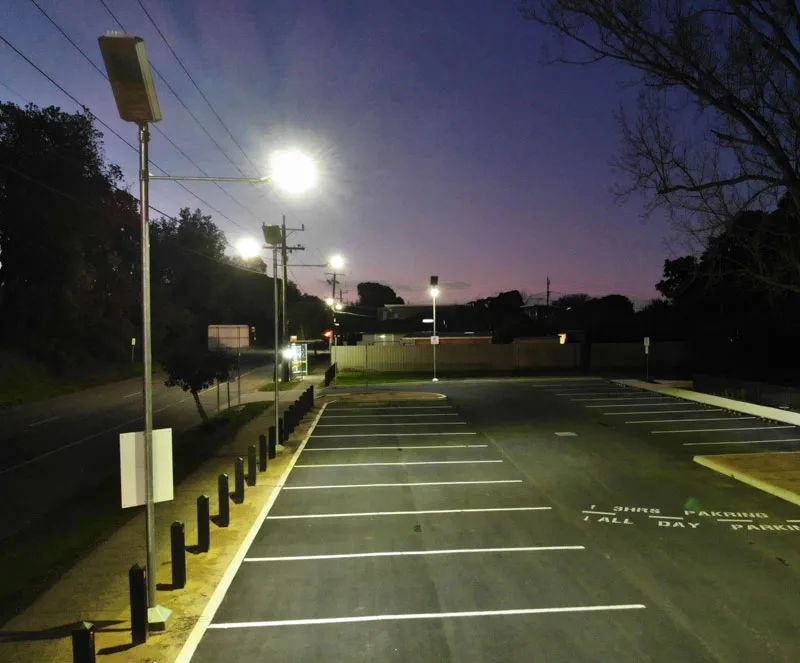
Parking lot lighting refers to fixed outdoor or semi-outdoor lighting systems designed to illuminate areas where vehicles are parked and people walk. These systems use pole-mounted area lights, flood lights, parking garage light fixtures, and structural lighting.
Vehicle parking lights, sometimes called parking lamps, are low-intensity automotive lights used to indicate a parked vehicle’s presence, typically in low-light conditions. They are not designed to illuminate an area and play no role in site lighting design.
Understanding this distinction is important for both technical accuracy and decision-making. Parking lot lighting is a matter of site engineering and infrastructure, not automotive lighting.
Types of Parking Lot Lights Used in Real Projects
Modern parking lot lighting systems usually combine multiple fixture types. Each type serves a specific role within the overall design.
LED Area Lights and shoebox led parking lot lights
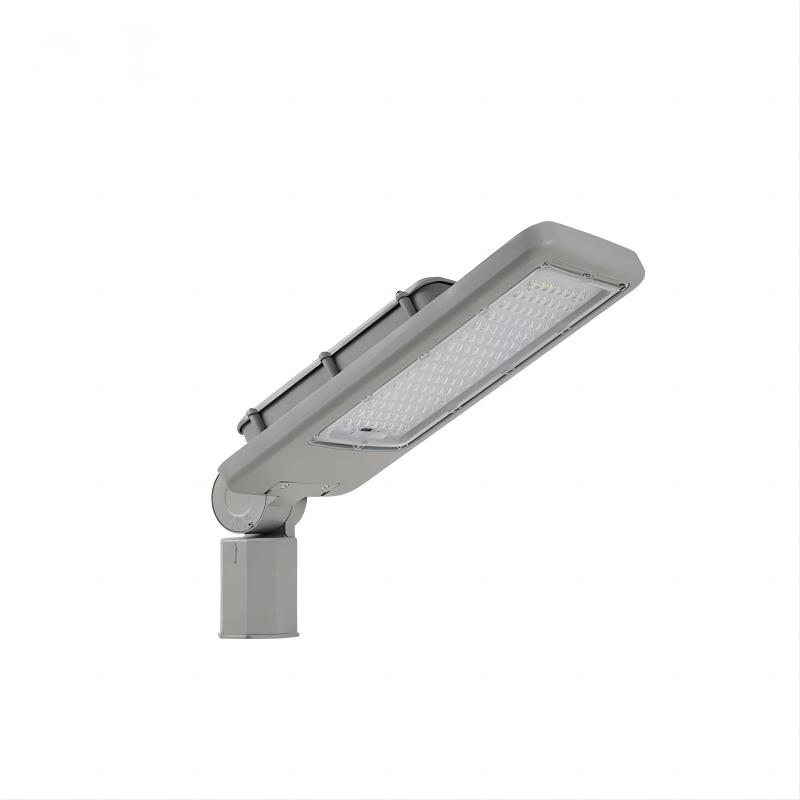
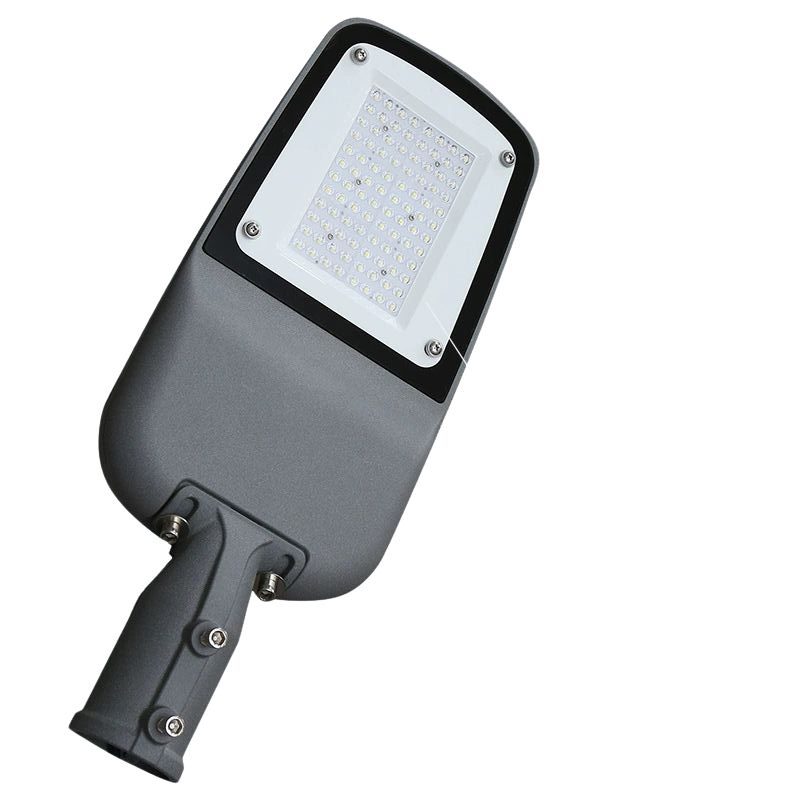
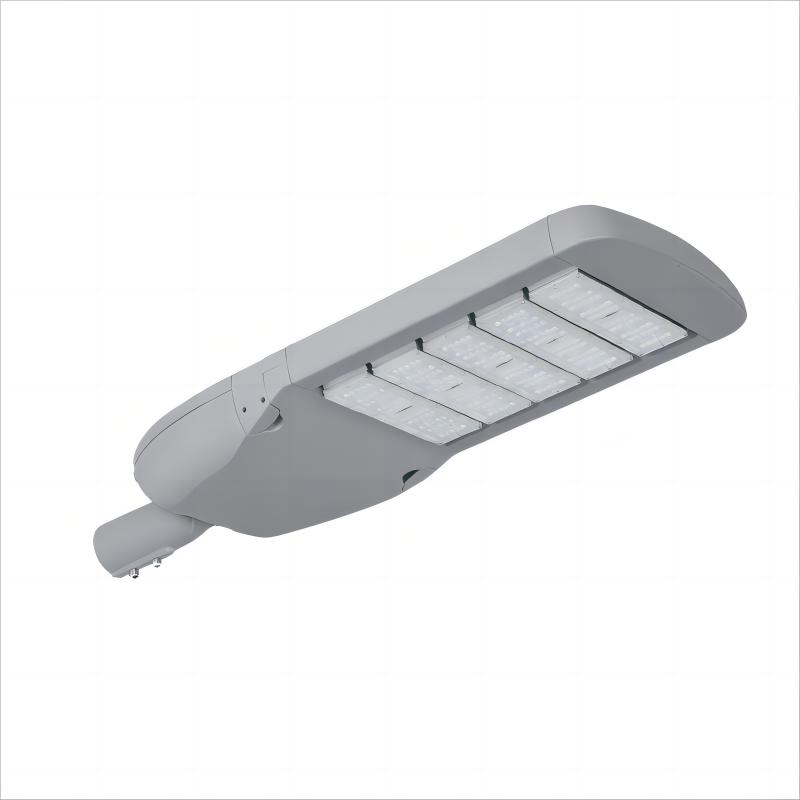
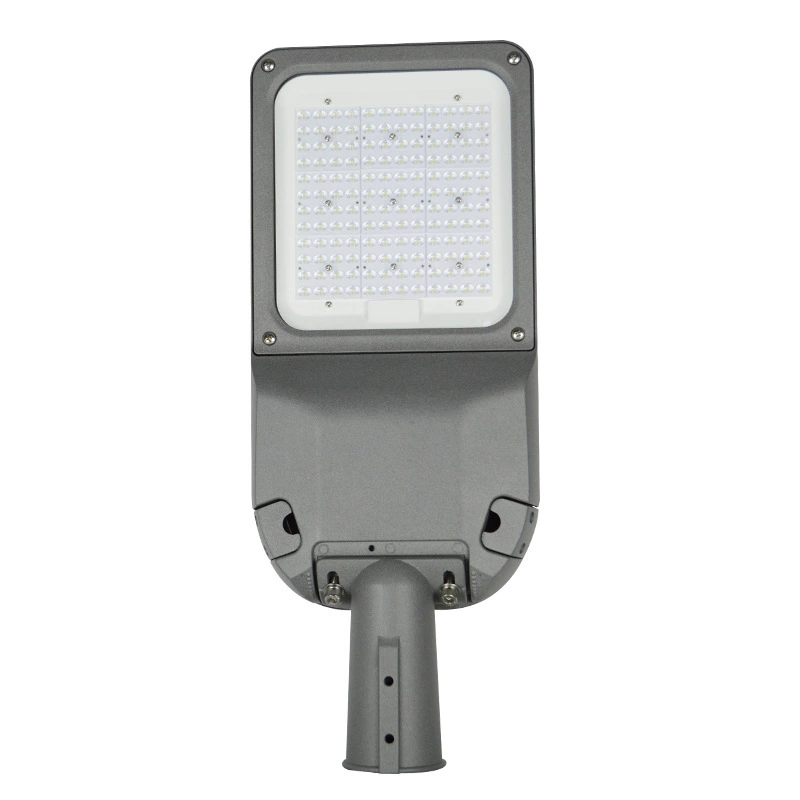
Area led lights—often referred to as adiding street area shoebox led lights due to their rectangular shape—are the most widely used fixtures for outdoor parking lots. They are typically mounted on poles and designed to distribute light evenly across large areas.
Their key advantages include high energy efficiency, long lifespan, and precise optical control. Different beam patterns allow designers to match the lighting distribution types to the parking layout, reducing glare and light spill. These fixtures are commonly used in retail centers, office parks, and car dealership parking lots.
Pole lights for parking lots
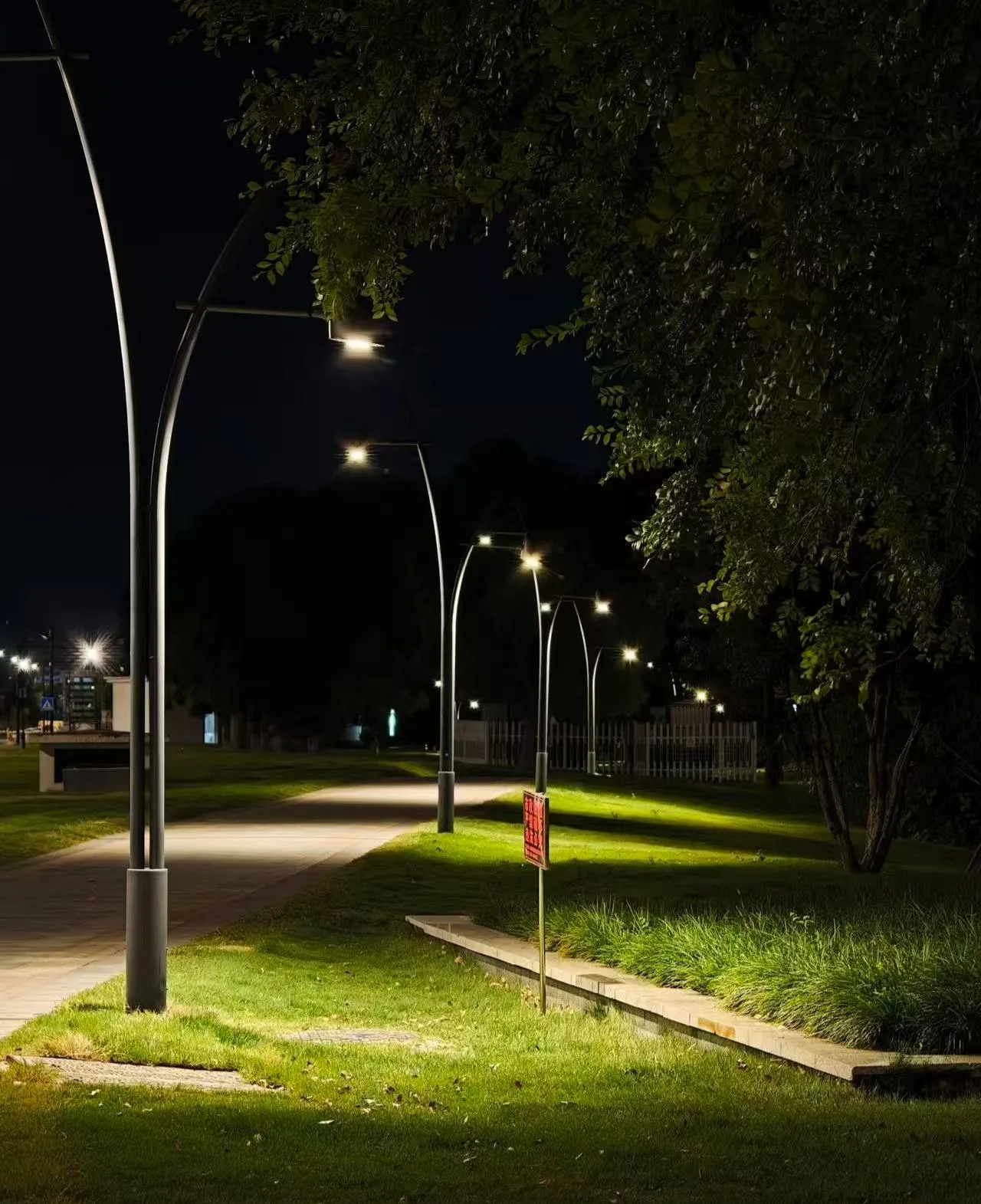
parking lot poles and lights are not just fixtures; they are systems that include the luminaire, the pole, and the foundation. Pole height, spacing, and orientation directly affect lighting performance.
Higher poles can reduce the number of fixtures required but may increase glare if optics are not properly controlled. Lower poles often improve uniformity but may require more fixtures. Effective design treats the pole and light as a single integrated element.
Parking Lot Flood Lights
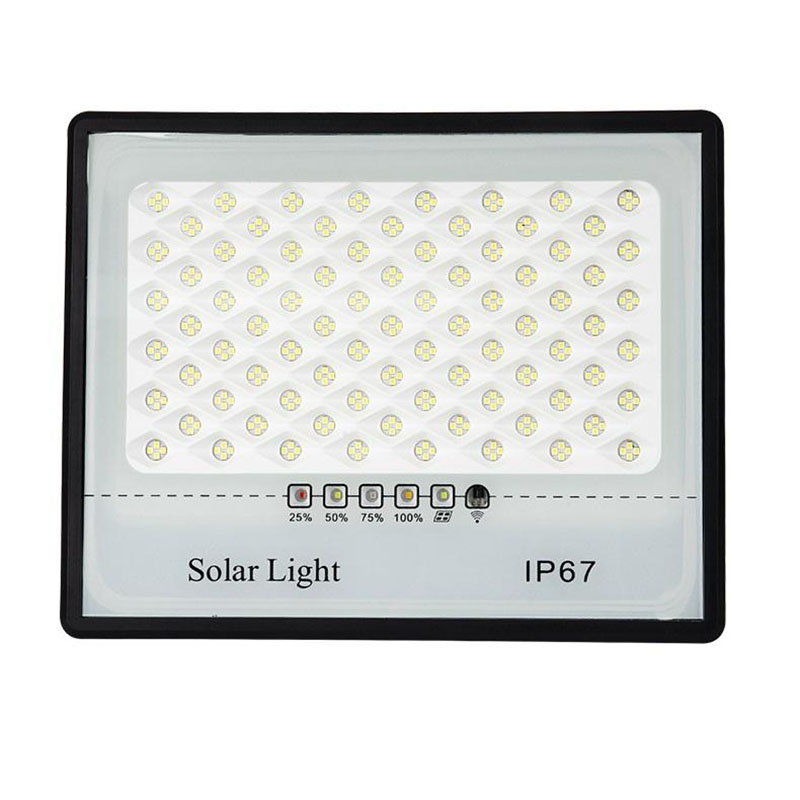
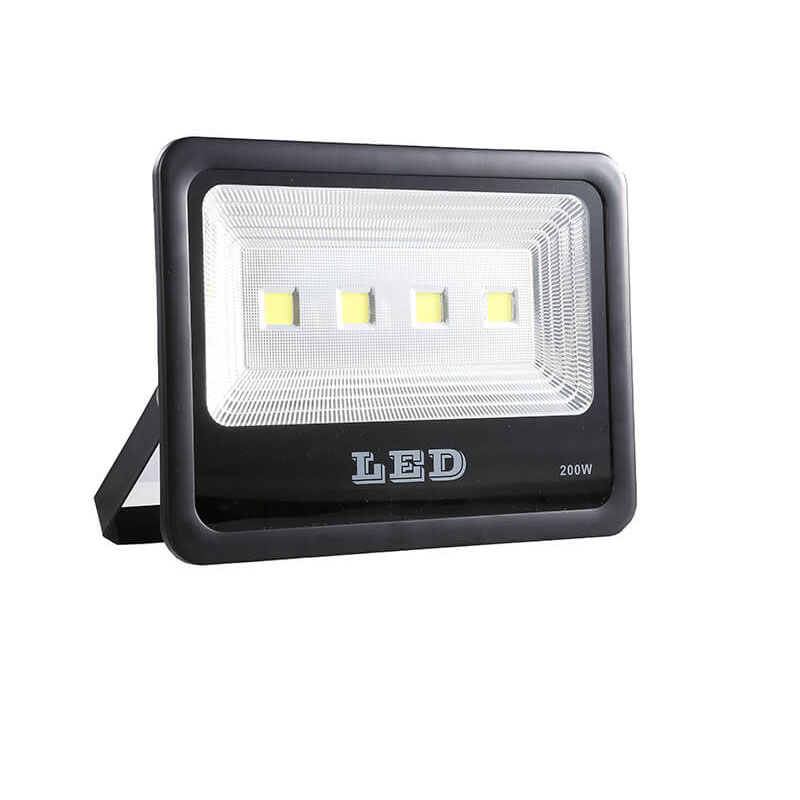
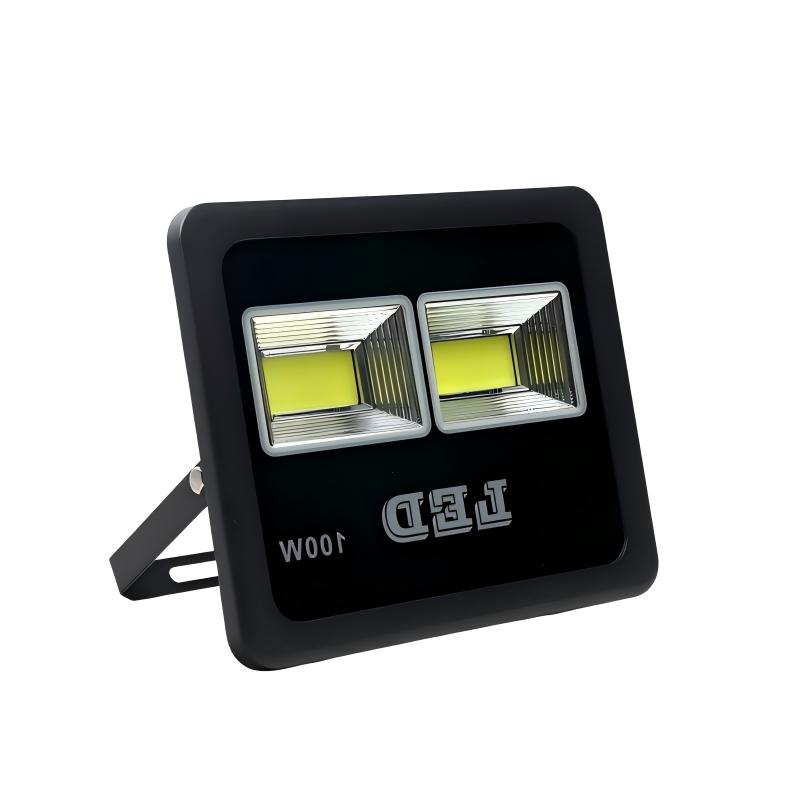
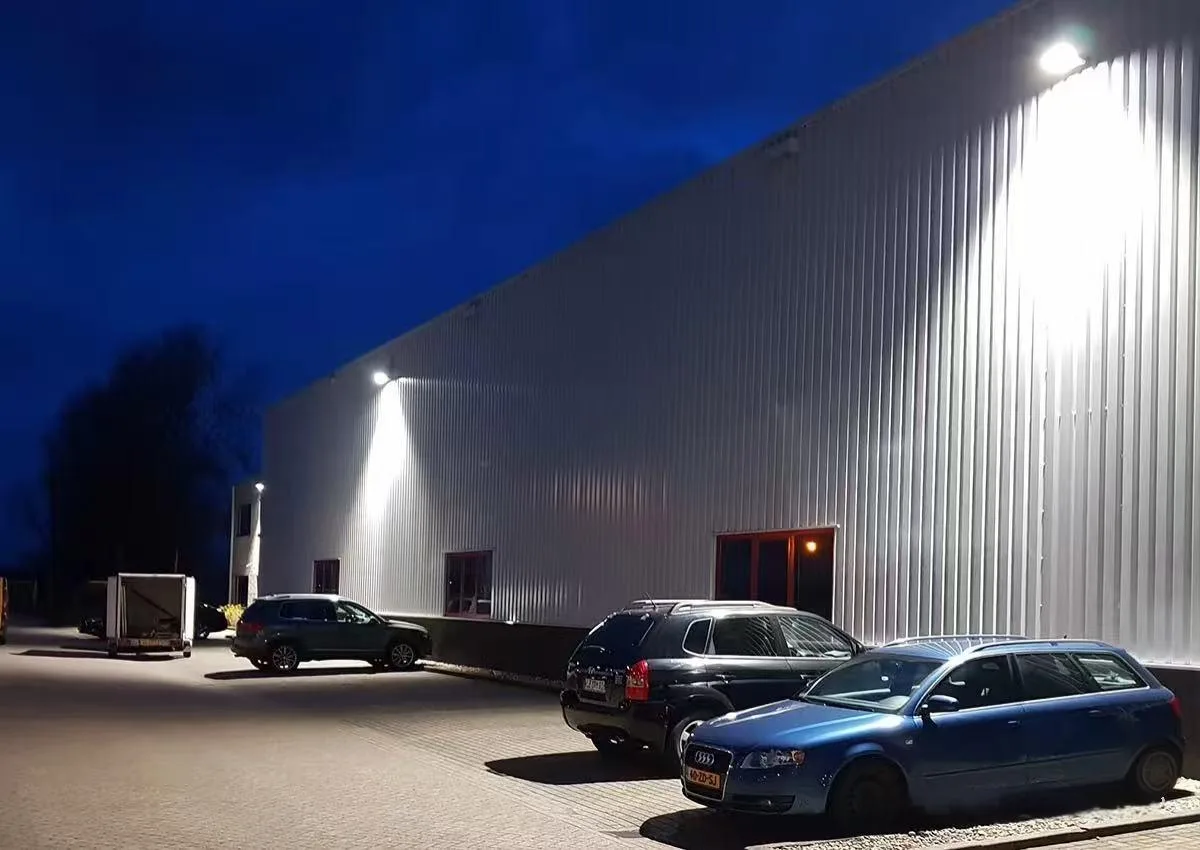
Led parking lot flood lights provide broad illumination and are often used at the edges of parking lots, near entrances, or for supplemental lighting. They are flexible but require careful aiming.
Because parking lot flood lights typically have less precise optical control than area lights, they can cause glare or light trespass if not properly designed. In professional projects, flood lights usually support, rather than replace, area lighting.
Parking garage led lighting, parking deck lighting, and parking structure lighting
Parking garages and decks present different challenges from open lots. Ceiling height, structural columns, and enclosed environments require a focus on uniformity and vertical illumination.
Common fixtures include linear LED lights and enclosed luminaires designed to withstand vibration, humidity, and exhaust exposure. Lighting levels must be carefully managed at entrances and exits to avoid abrupt changes in brightness.
Solar power parking lot lights
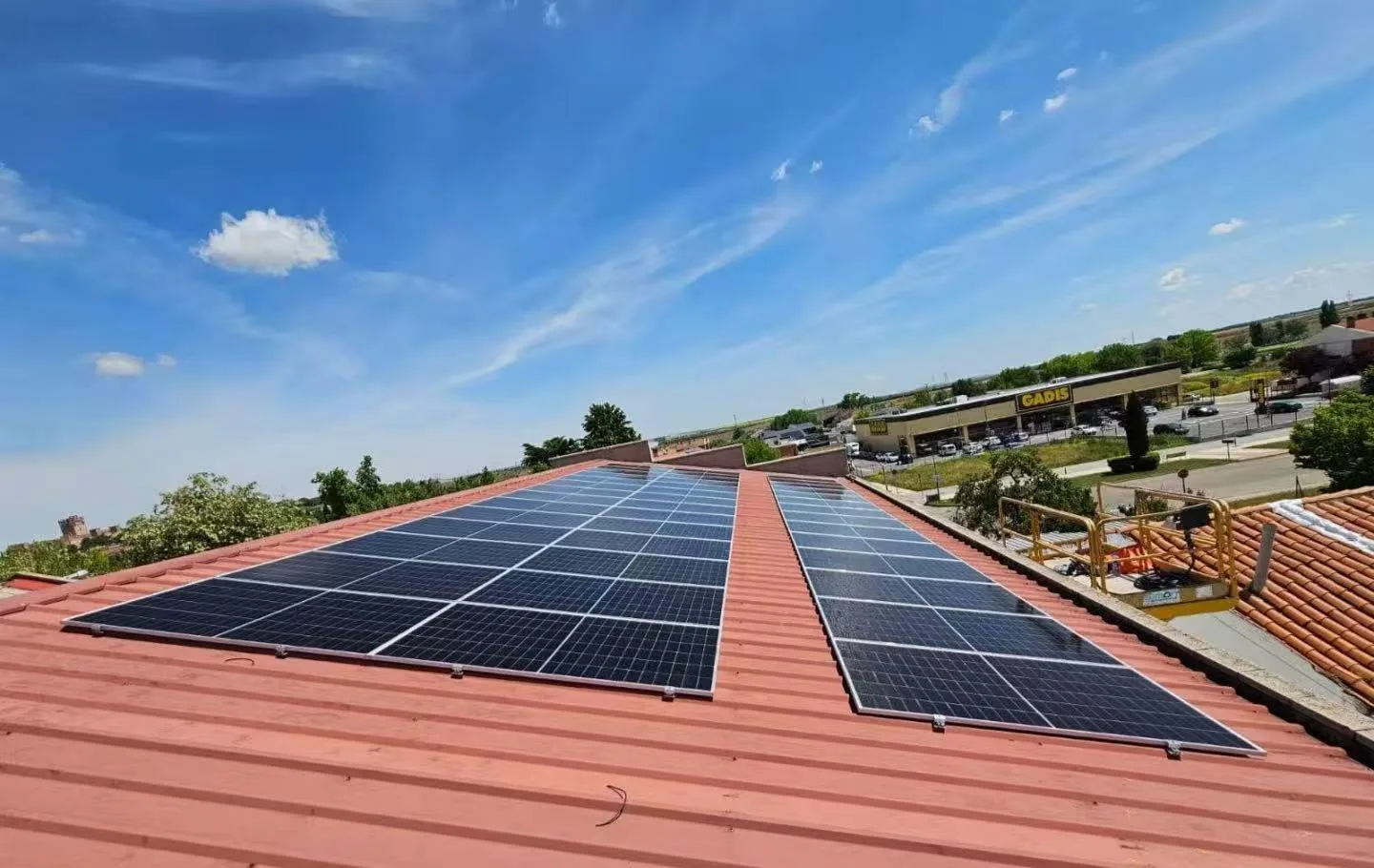
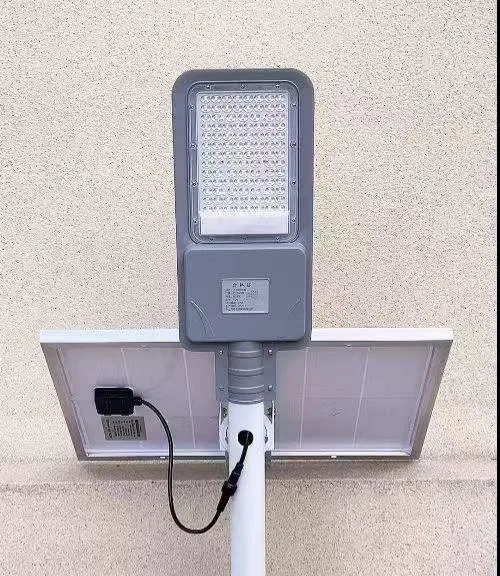
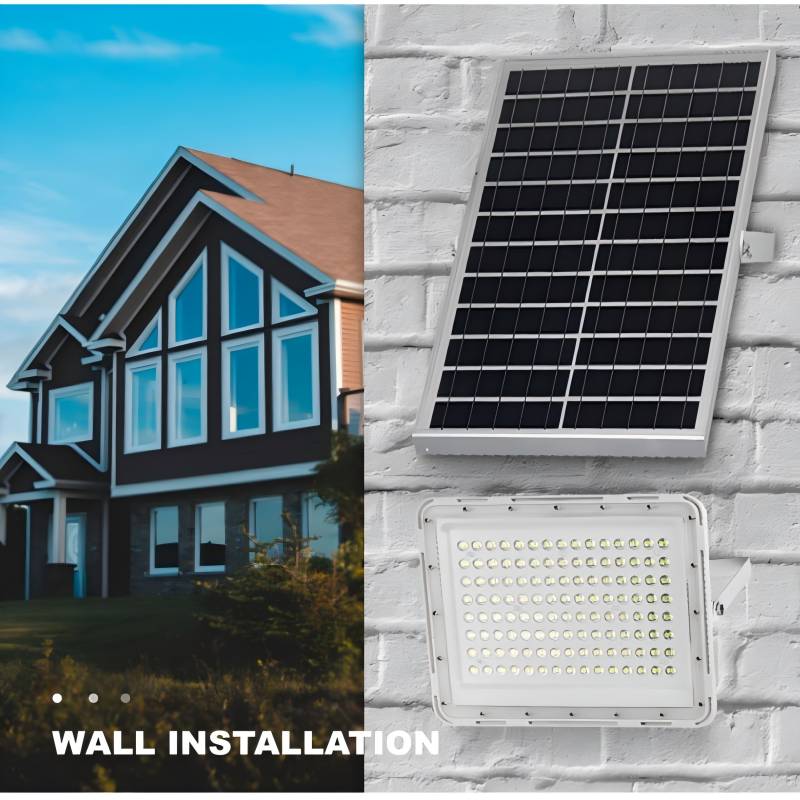
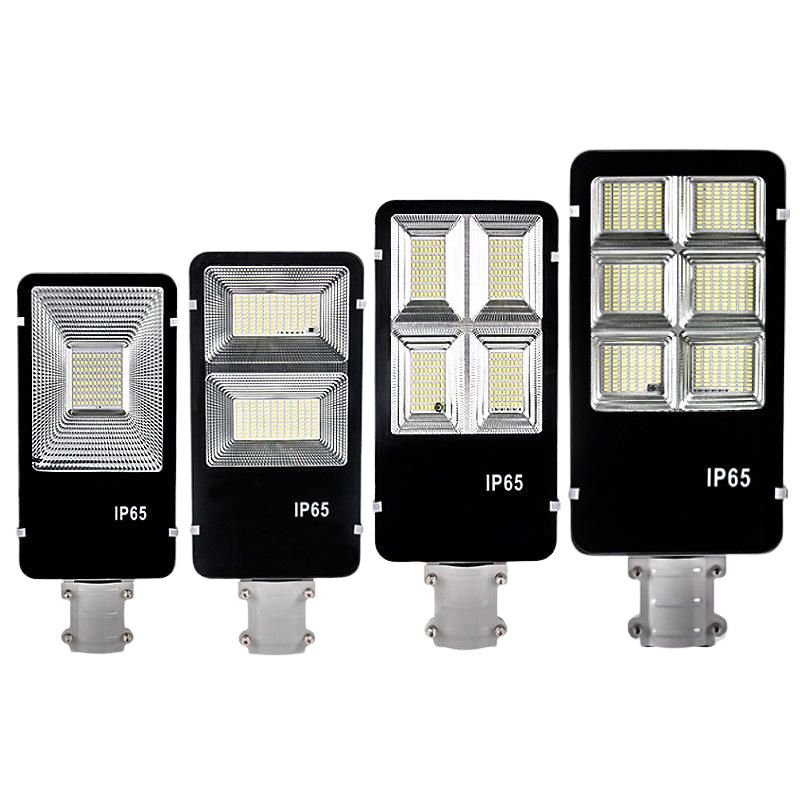
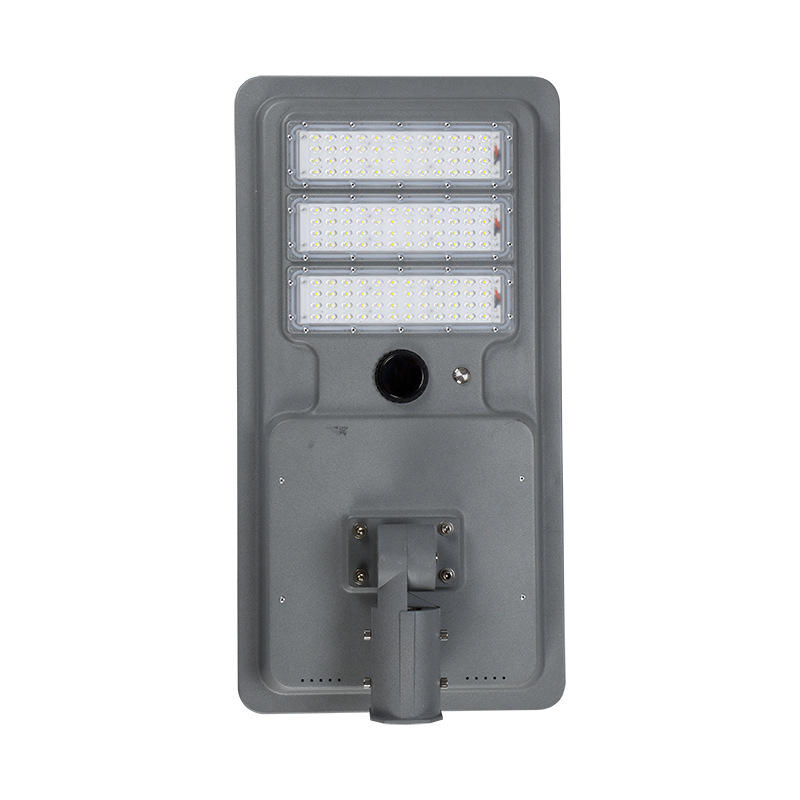
Solar parking lot lights integrate photovoltaic panels, batteries, and LED fixtures into a self-contained system. They are useful in locations without reliable grid access or where trenching and wiring costs are prohibitive.
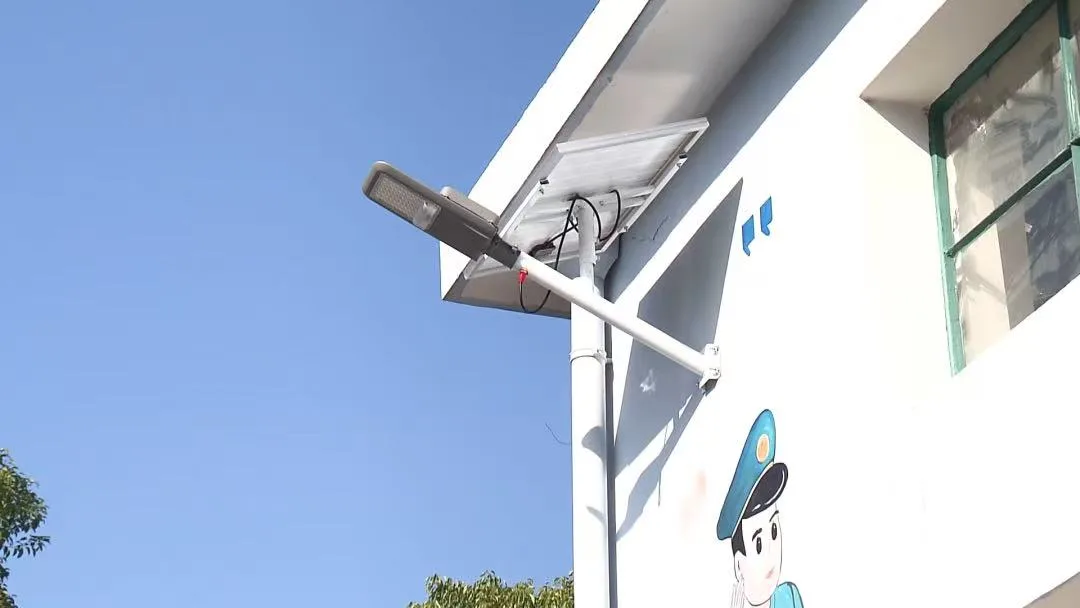
However, solar systems must be carefully sized based on local climate, sun exposure, and lighting requirements. They are effective in specific scenarios but are not universal replacements for grid-powered systems.
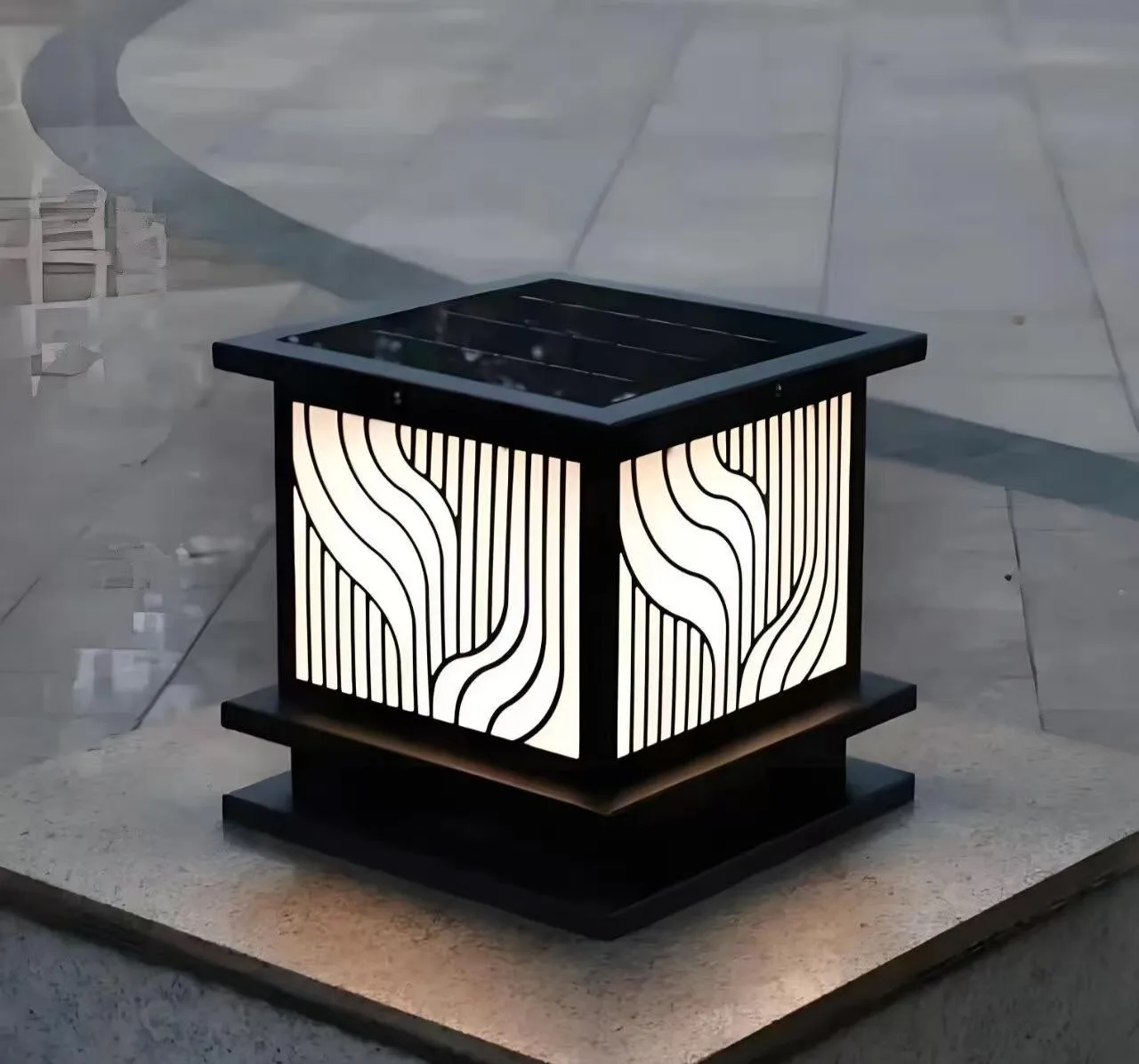
Decorative parking lot light fixtures
Decorative fixtures are used in plazas, campuses, and mixed-use developments where visual appearance is important. While aesthetics play a role, these fixtures must still meet lighting performance requirements for safety and visibility.
LED vs. Traditional Parking Lot Lighting Technologies
For decades, parking lots relied on metal halide, high pressure sodium light, and halogen lighting. These technologies provided sufficient brightness but came with significant limitations.
Traditional lamps have long warm-up times, experience rapid lumen depreciation, and require frequent maintenance. Optical control is limited, making it difficult to manage glare and light spill. As a result, they often deliver inconsistent lighting over time.
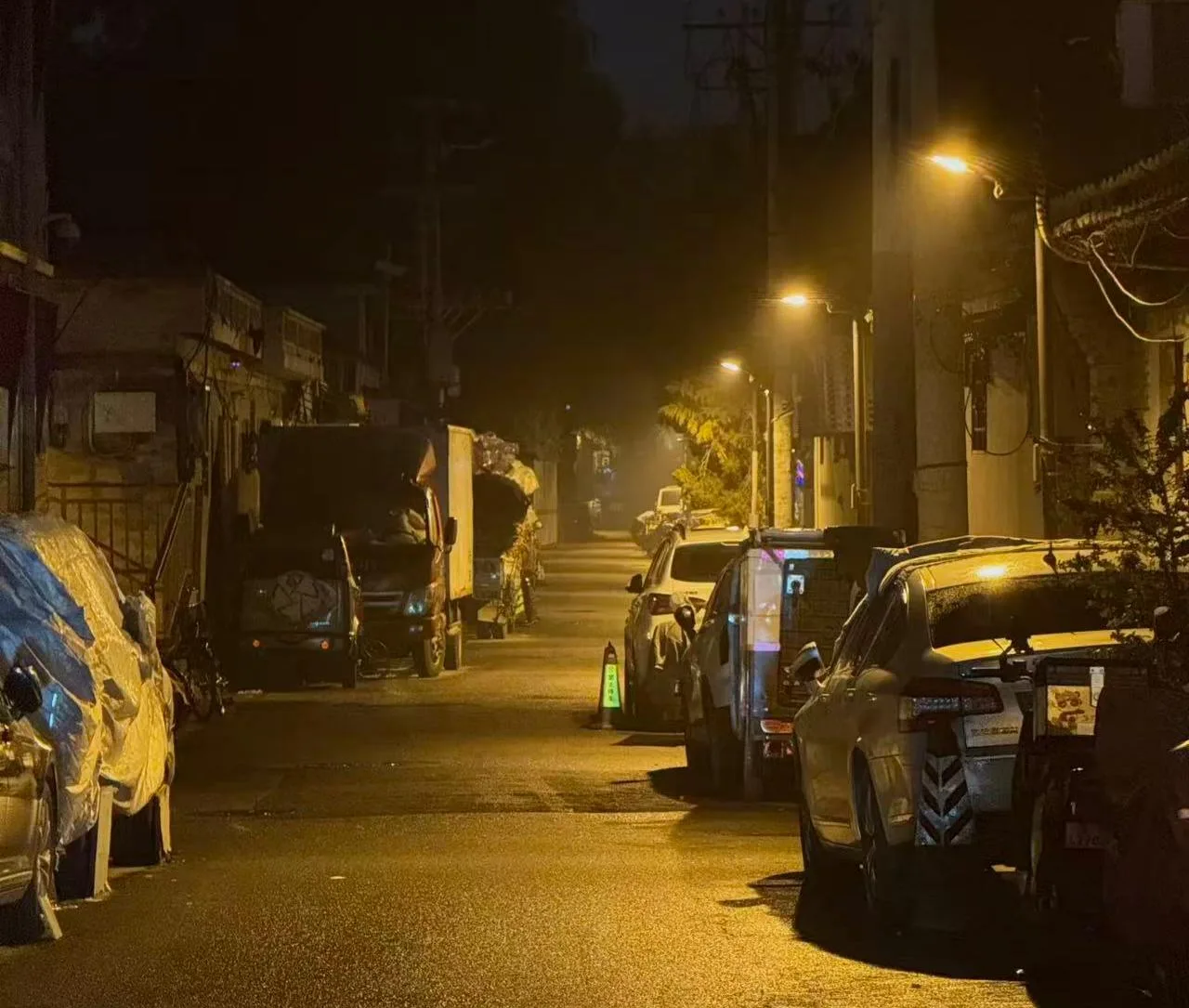
LED technology changed this landscape. led lights for parking lots offer higher luminous efficacy, longer service life, instant start, and precise optical control. More importantly, they allow designers to deliver the same or better illumination with far less energy.
The shift to LED is not just about efficiency. It is about reliability, controllability, and total cost of ownership. Over the lifecycle of a parking lot lighting system, LED solutions consistently outperform traditional technologies.
Parking Lot Lighting Design Fundamentals
Professional parking lot lighting design follows a clear and logical sequence. The process begins with the lighting task, not the fixture.
First, designers define the required illuminance level based on standards, site conditions, and intended use. Illuminance is measured in lux and represents how much light reaches the ground or work surface.
Next, the total lumens required are calculated using the area size, mounting height, and expected losses. Only after this step do designers select fixtures and optics that can deliver the required light distribution.
Key design factors include:
Average and minimum illuminance
Uniformity across the parking area
Glare control for drivers and pedestrians
Beam distribution patterns
Pole height and spacing
Wattage is checked at the end of the process to confirm energy use, electrical load, and feasibility. Designing by wattage alone is one of the most common causes of poor lighting results.
Special Applications and Infrastructure Considerations
Some parking environments require additional attention. Parking garages and decks, for example, must address vertical visibility, low ceilings, and transition zones between daylight and artificial light.
Blue-tinted lights sometimes appear in parking lots for specific security or design purposes. These lights are not inherently brighter and should be used selectively, as they can affect color perception and visibility.
Infrastructure also matters. Light poles must be structurally sound and rated for local wind conditions. Electrical systems must be sized for total load, and thermal management within fixtures affects reliability and lifespan.
These considerations reinforce the need to view parking lot lighting as an integrated system rather than a collection of individual products.
Common Mistakes, Maintenance, and Final Guidance
Many parking structure lighting failures stem from predictable mistakes. These include designing by wattage instead of illuminance, over-lighting to compensate for poor layout, ignoring glare, and skipping photometric analysis.
While LED systems reduce maintenance needs, they still require planning. Driver quality, thermal design, and environmental protection all influence long-term performance. Reducing maintenance visits and downtime often delivers more value than marginal energy savings.
In the end, effective parking area lighting is about balance. The right system delivers sufficient light for safety and visibility, minimizes waste and glare, and operates reliably over many years.
Final Thoughts
outdoor parking lot lighting is a foundational element of modern commercial and municipal spaces. Choosing the right type of parking lot light—and using it within a professional design framework—determines whether a project succeeds or struggles.
Good lighting is not defined by wattage or marketing claims. It is defined by how well the system serves its purpose over time. When design comes first and products follow, parking lot lighting becomes a long-term asset rather than a recurring problem.
FAQ
What are parking lot lights?
Parking lot lights are fixed outdoor or semi-outdoor lighting systems designed to illuminate parking areas for vehicles and pedestrians. They are typically mounted on poles, walls, or structures and are engineered to provide safe, uniform, and controlled illumination.
What types of parking lot lights are commonly used?
Common types include LED area or shoebox lights, pole-mounted parking lot lights, flood lights for perimeter or supplemental lighting, parking garage and deck fixtures, solar parking lot lights, and decorative parking lot luminaires used in architectural settings.
How many lumens are needed for parking lot lighting?
There is no single lumen value that fits all parking lots. Required lumens depend on the target illuminance level (lux), parking area size, mounting height, fixture efficiency, and layout. Professional designs start with lux requirements, not wattage.
What is the difference between parking lot lights and parking lights on a car?
Parking lot lights are site lighting systems used to illuminate outdoor or structured parking areas. Parking lights on a car are low-intensity vehicle lights used only to signal a parked vehicle’s presence and do not provide area illumination.
Why are LED parking lot lights preferred over traditional lighting?
LED parking lot lights offer higher energy efficiency, longer service life, better optical control, instant start, and lower maintenance costs compared to traditional metal halide, high-pressure sodium, or halogen lighting.
What are blue lights in parking lots used for?
Blue lights in parking lots are used in limited security or design applications. They are not brighter than white lights and should be applied selectively, as they can affect color recognition and overall visibility.
How is parking lot lighting properly designed?
Professional parking lot lighting design follows a sequence: define the lighting task, set illuminance requirements in lux, calculate required lumens, select optics and layout, and finally check wattage for energy and electrical planning.
Need Help Applying This to a Real Parking Lot Project?
Understanding parking lot lighting concepts is only the first step.
Applying them correctly to a real site—layout, pole height, optics, and electrical limits—is where most projects succeed or fail.
If you are working on a commercial, municipal, or industrial parking lot, and need to:
Verify illuminance and uniformity targets
Review photometric layouts (IES / Dialux)
Select the right type of parking lot lights for your application
Balance lighting performance with energy and infrastructure limits
Our engineering team can support a technical review and system-level evaluation.
No sales pressure. Just practical lighting engineering focused on long-term performance and reliability.