Skip to content
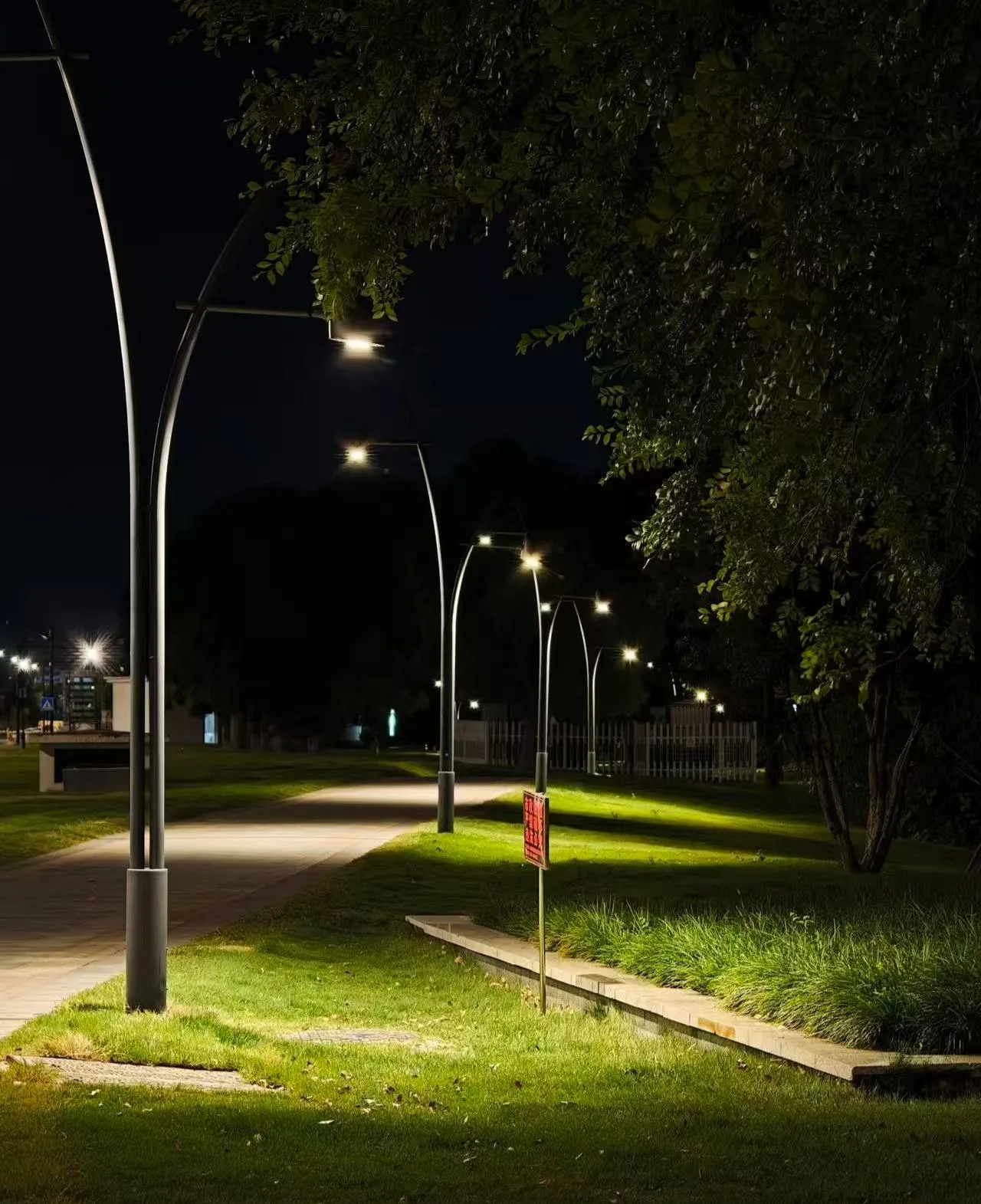
Solar post lamps are no longer just decorative lights. Today, they are complete outdoor lighting systems. Each one combines a solar panel, battery, LED light, and smart control on a single pole.
For professionals such as city engineers, landscape designers, developers, and contractors, the main question has changed. It is no longer whether to use solar post lamps. The real question is how to judge their quality correctly.
This article gives a clear technical guide to evaluate modern solar post lamps used in real outdoor and commercial projects. It does not compare brands. Instead, it explains what “best” means based on engineering performance and long-term service life.
What outdoor solar post lamps Really Are: A System-Level View
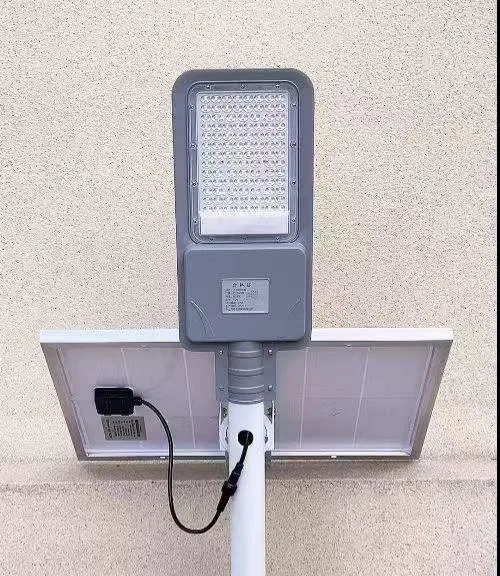
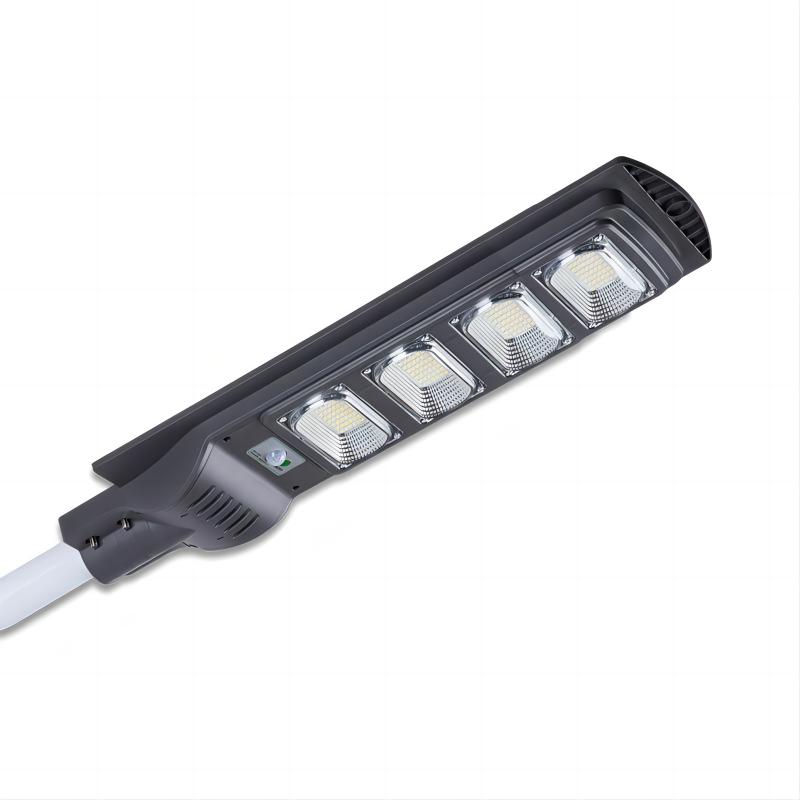
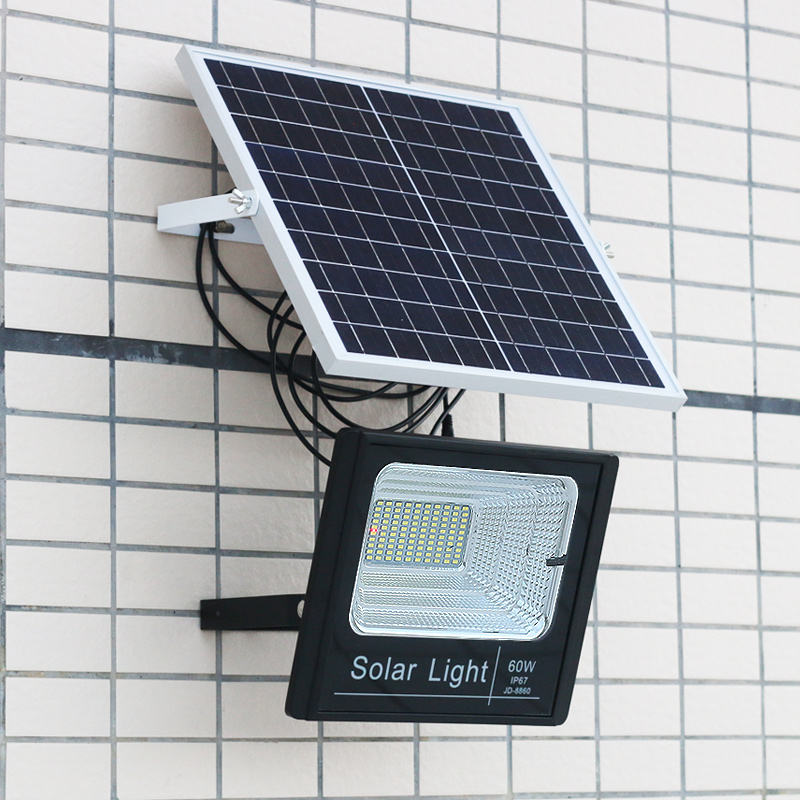
Outdoor post lamps solar—also called solar pole lights or solar lamp post systems—are not simple light fixtures. They are complete off-grid lighting systems.
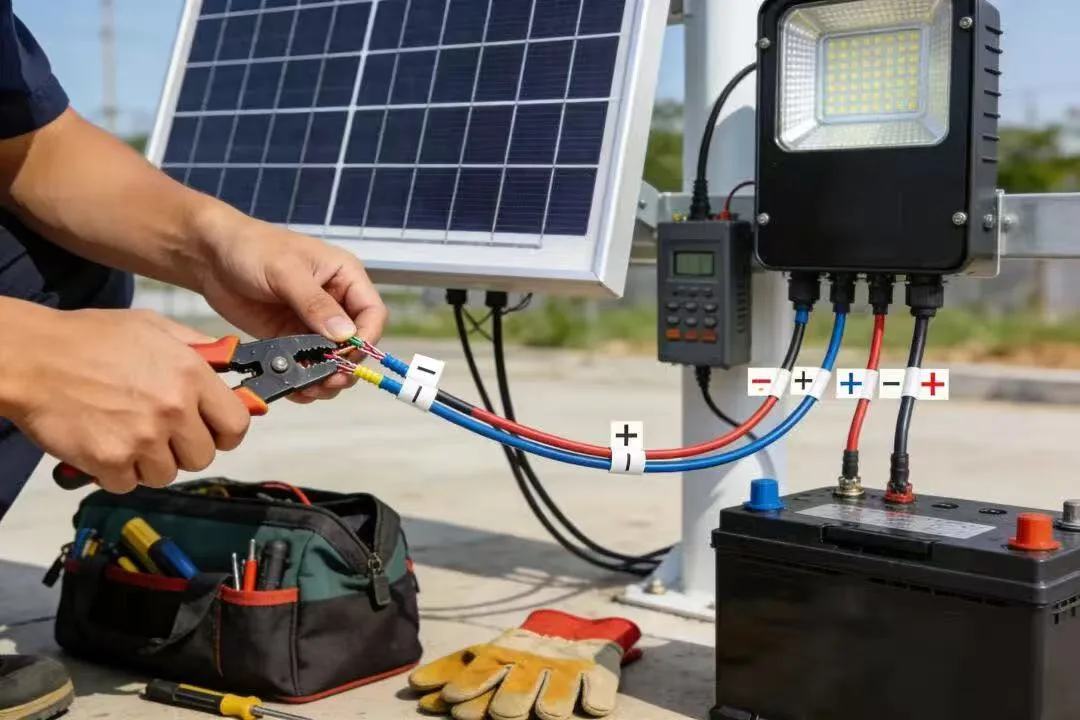
A professional solar post lamp is made of four connected parts:
a solar panel that produces power,
an LED light with controlled light distribution,
a battery that stores energy,
and a controller that manages charging, discharging, and lighting operation.
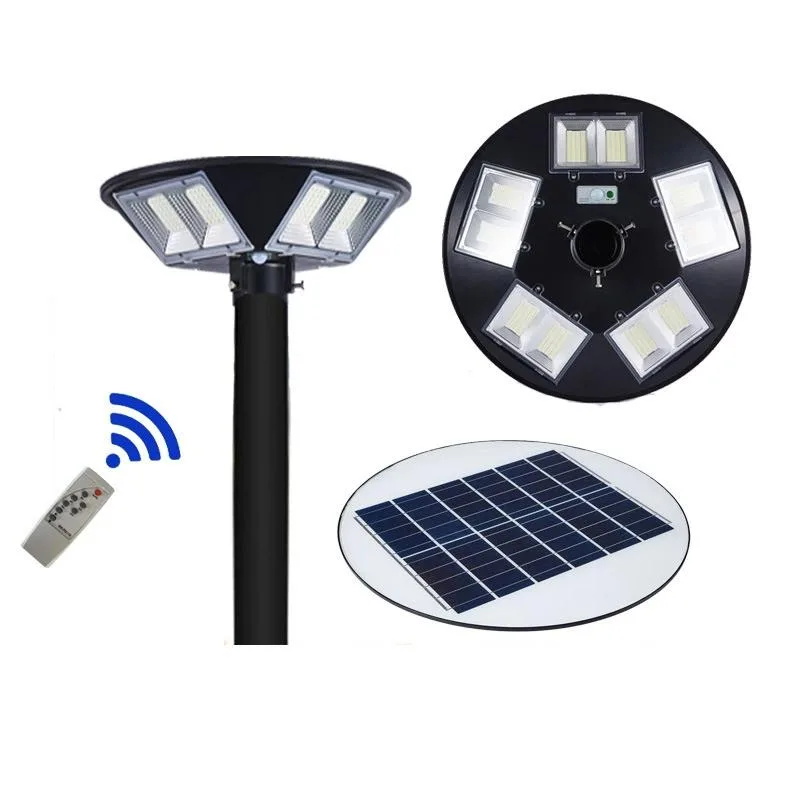
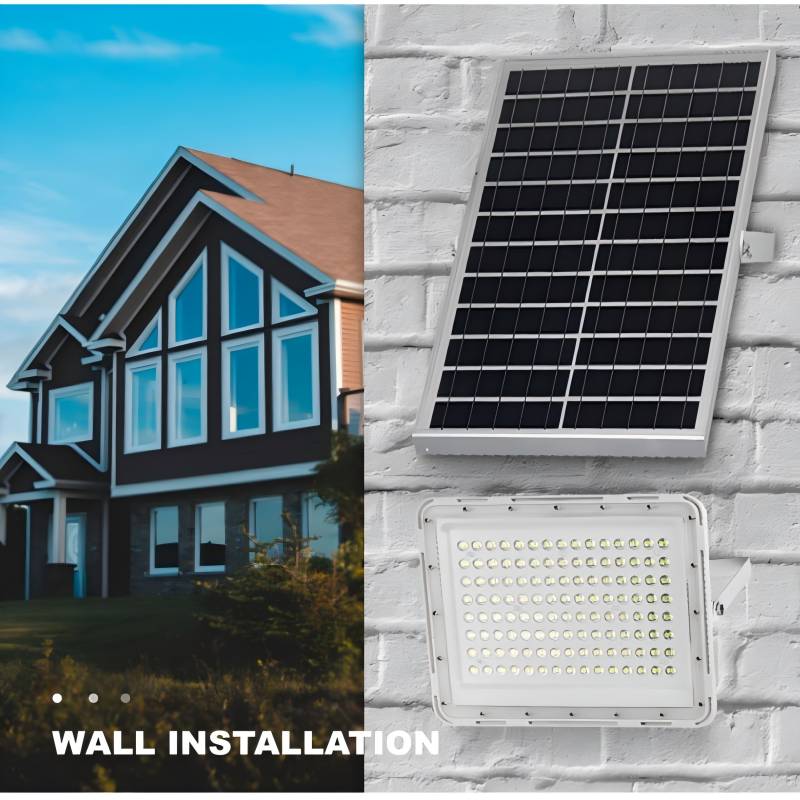
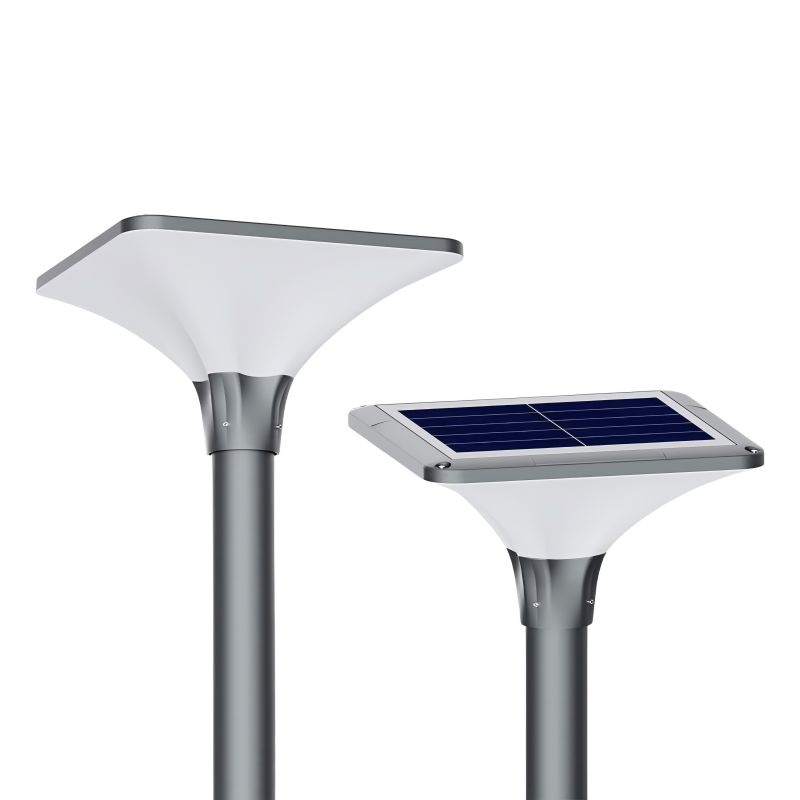
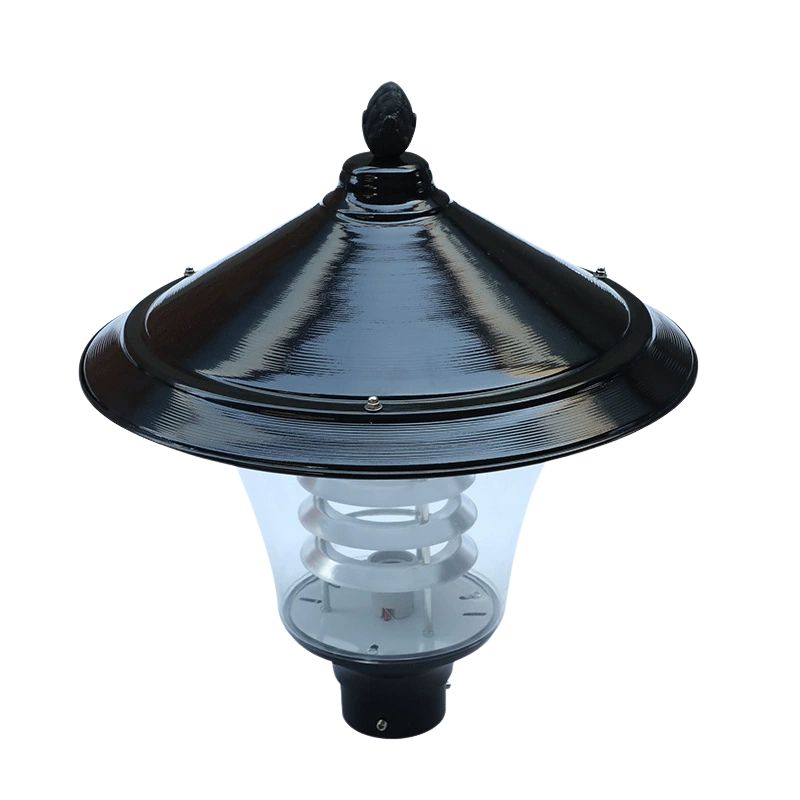
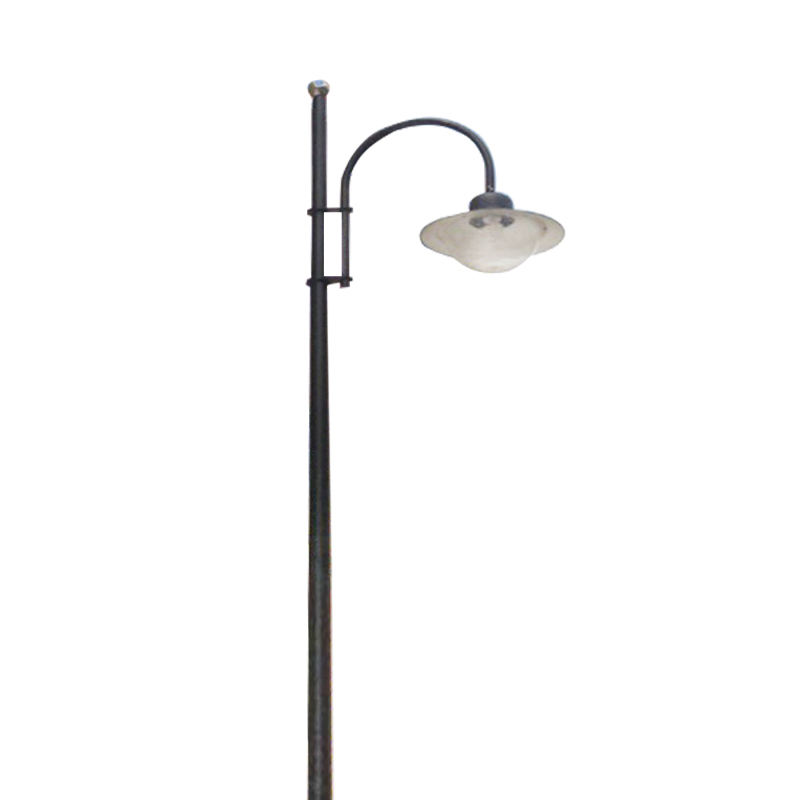
Common designs include post mounted solar lights,pole mounted solar light, and solar lamp post topper used to upgrade existing lamp posts.
From a system view, good performance depends on balance. If one part is oversized while others are weak, the system becomes unstable and may fail early.
The Engineering Criteria That Define best solar lamp post lights
In professional projects, “best” is not an opinion. It is based on engineering results. A solar lights for pole is high-performance only if it gives real light output, keeps energy balance through different seasons, controls light without glare, survives outdoor use for many years, and has a predictable lifespan from good design and components.
A simple way to judge a outdoor solar pole light is to check four things: how well it uses light, how solar power and battery storage are balanced, how well it resists weather, and how the control system works. If a product is strong in only one area and weak in others, it will fail over time, no matter what the marketing says.
Core System Components and Performance Verification
Solar Panel and Energy Input
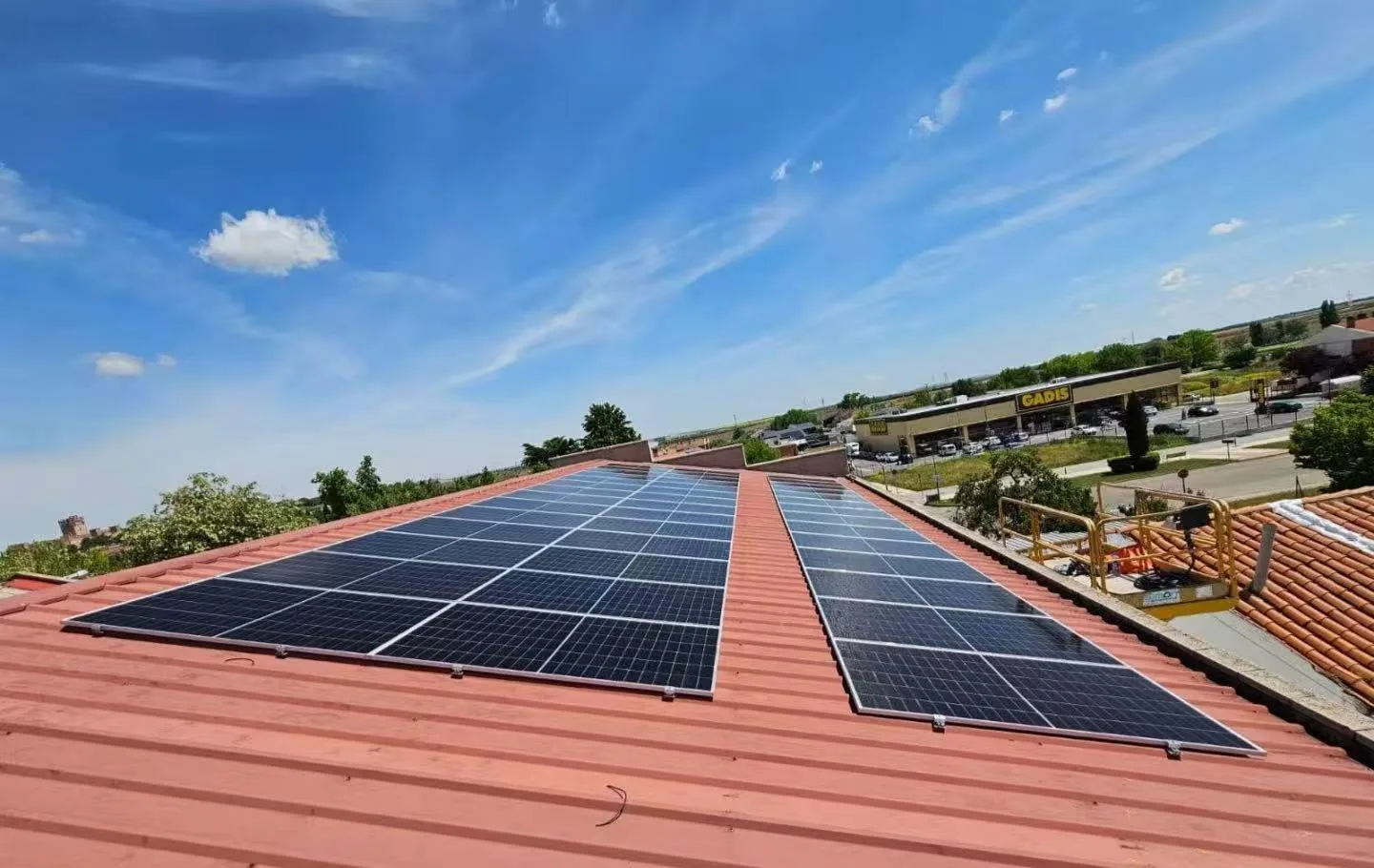
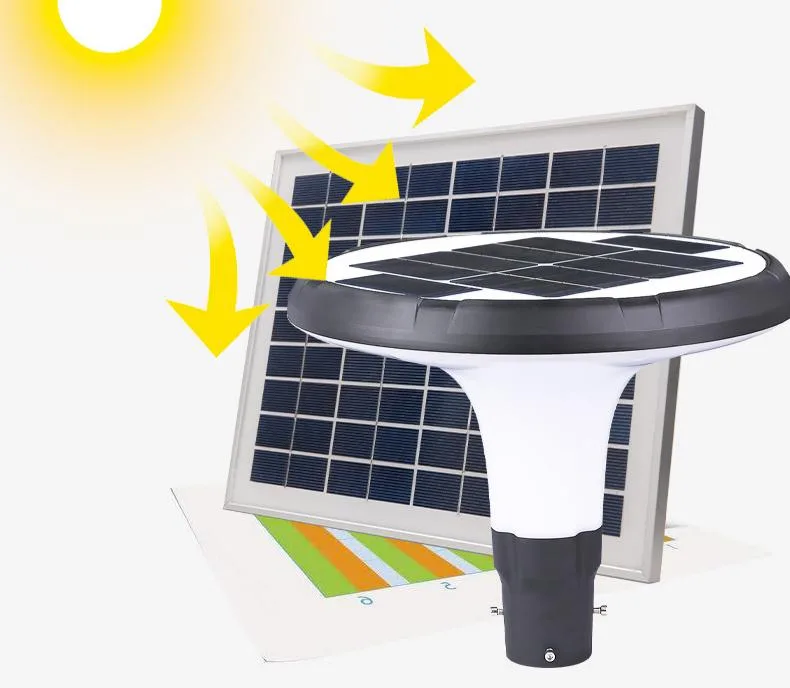
Good solar power pole lights use monocrystalline solar panels. These panels are more efficient and work better in low light. In real projects, panel size is not chosen to make the light very bright in summer. The goal is steady operation in winter and during long low-sun periods.
Engineers check if the panel power matches the LED load. They also check shading, panel direction, and long-term power loss. Many outdoor solar pole lamps use larger panels on purpose. This lowers seasonal risk and keeps the system working all year.
LED Light Engine and Optical Design
Brightness is often misunderstood in solar lamp post lighting. In proper projects, light performance is proven by IES LM-79 testing. This test shows total light output, power use, and light distribution. Lumen numbers alone do not show real lighting quality.
Standards like IES RP-8 and EN 13201 focus on even light, vertical lighting, and glare control. This is very important for pedestrian areas. Well-designed LED solar post lights often work better than “very bright” solar led lamps because they give more usable light with less energy.
Battery System and Energy Storage
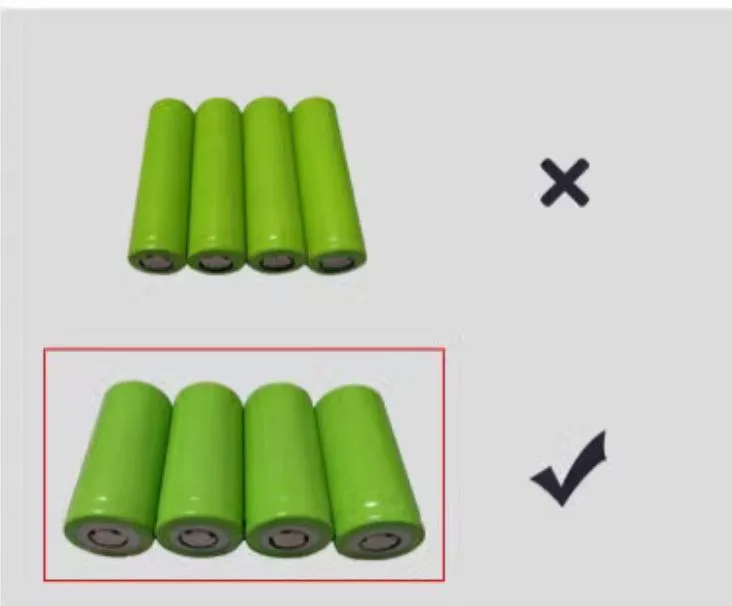
Battery choice is critical but often ignored. Many professional solar powered outdoor post lights now use LiFePO₄ batteries. These batteries handle heat well, last longer, and age in a stable way.
Field data shows early failure usually comes from deep battery discharge, not small solar panels. Systems that run at full power every night often lose battery capacity within 18 to 24 months, especially in areas with strong seasonal sunlight changes.
Controller and Intelligent Operation
The controller is key to system reliability. It controls dusk-to-dawn operation, step dimming, and power limits when the battery is low.
Good control logic lets solar powered post lamps keep working during cloudy days. Instead of shutting off suddenly, the system adjusts. Smart control turns limited solar energy into stable and reliable lighting.
Top 10 Solar Post Lamp Categories: Professional Technical Review
We do not rank brands. Instead, the categories below describe the solar lamp for lamp post systems most often used in real projects. They are defined by measured performance, energy balance, and proper use, not by appearance or marketing claims.
Decorative and Low-Output Systems
(Solar Pole Lanterns / Solar Garden Post Lamps)
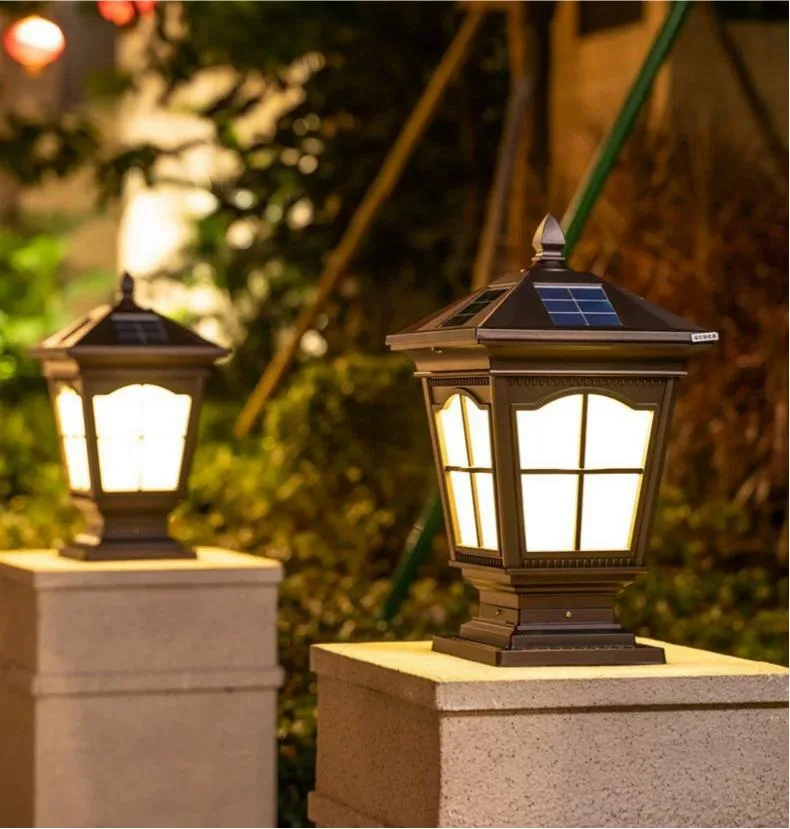
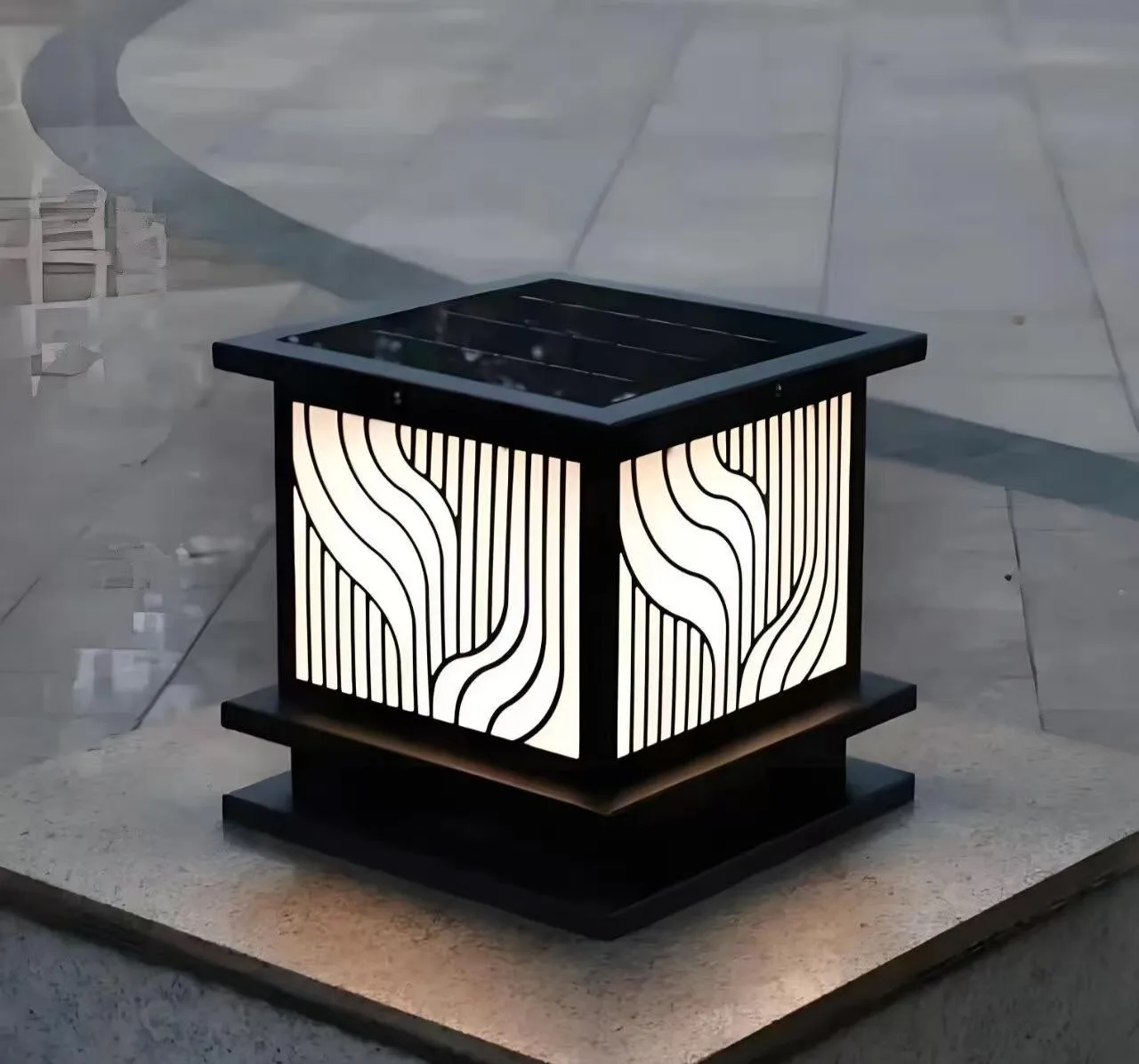
This type of system usually produces 150–400 lumens, with LED efficiency of 90–120 lm/W. Power comes from a 10–30 Wh battery and a 5–10 W mono-crystalline solar panel. These lights are normally installed at 1.0–1.5 meters and can operate for 1–2 nights under average solar conditions. Most models are rated IP65 for outdoor protection. From an engineering view, these systems focus on appearance and low energy use, not strong brightness. According to IES RP-8 and EN 13201, they are suitable for areas that need less than 10 lux, such as gardens, courtyards, and decorative paths. They are not suitable for safety-critical areas or commercial lighting.
Mid-Power Commercial Systems
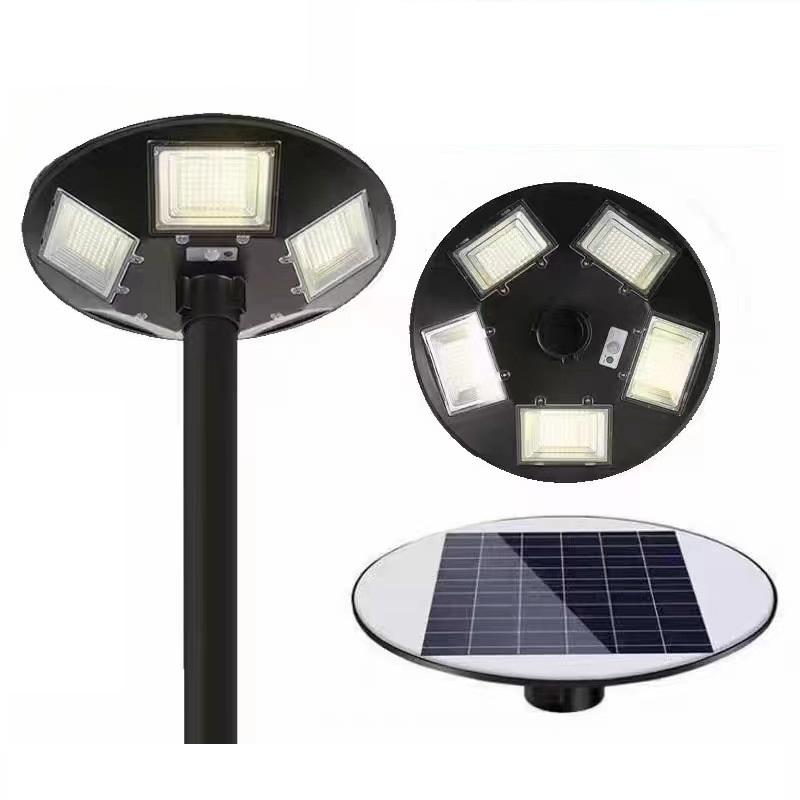
(Modern solar lamp post/ Round solar post lights / Retrofit solar lamp post topper)
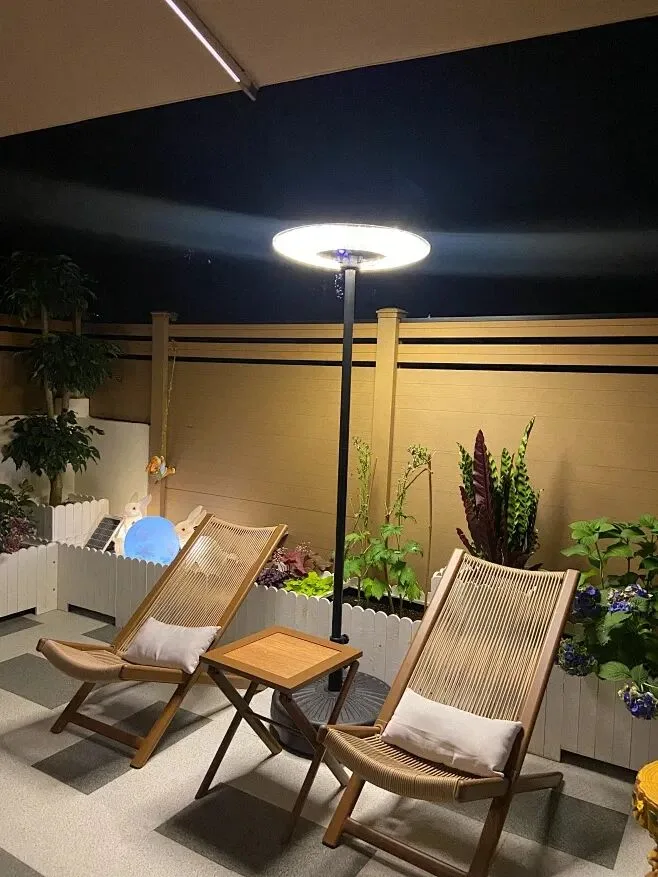
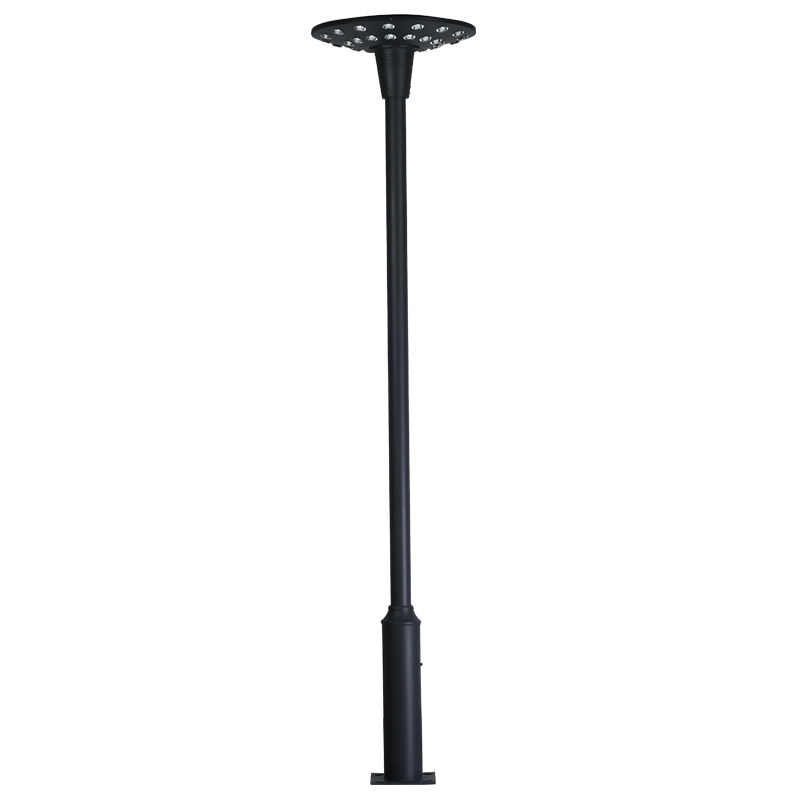
Mid-power systems are the most common and stable option for commercial solar post lighting. They usually produce 500–1200 lumens with an efficiency of 120–150 lm/W. Most models use LiFePO₄ batteries with 30–80 Wh capacity and 15–30 W mono-crystalline solar panels. These lights are typically installed at 1.8–3.0 meters and can operate for 2–3 nights without charging. Protection is usually IP65 or IP66. With proper spacing and optics, they provide 15–25 lux of average light, which is suitable for residential areas, commercial landscapes, and pedestrian paths. For most B2B projects, this category offers the best balance of cost, performance, and reliability.
High-Performance and Infrastructure Systems
(High Lumen Solar Post Lights / large solar post light / Integrated Smart Solar Power Pole Lamps)
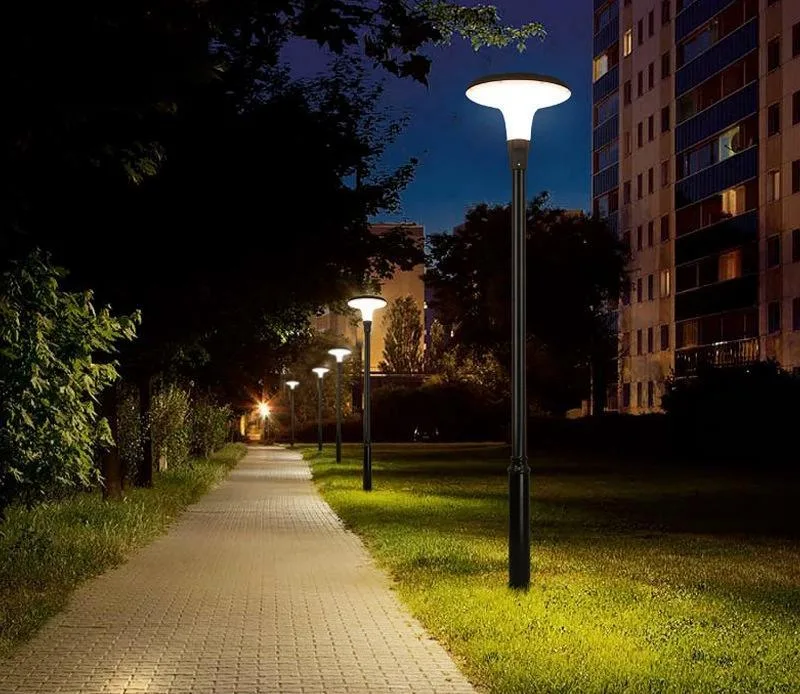
High-performance systems are engineered for reliability, visibility, and long-term operation rather than visual minimalism. Typical outputs range from 1200–3000 lm with LED efficacy of 130–170 lm/W, supported by 60–160 Wh LiFePO₄ batteries and 30–60 W solar panels.
These systems are designed for ≥3 nights of autonomy, mounting heights of 3.0–6.0 m, and IP66 protection, often incorporating adaptive dimming or smart control profiles to maintain energy balance during low-irradiance periods.
In practice, they deliver 25–40+ lx average illuminance and are deployed in semi-public areas, infrastructure corridors, and commercial access routes where lighting reliability and winter performance are critical.
This category represents the true engineering-grade solar power post light solution, appropriate for projects with strict operational and reliability requirements.
By anchoring each category with quantified specifications, energy balance behavior, and illuminance benchmarks, solar power post lamp classification becomes a verifiable engineering decision framework, not a subjective comparison.
Decorative systems optimize visual effect and low power consumption
Mid-power systems deliver the best overall stability for B2B applications
High-performance systems prioritize reliability, autonomy, and infrastructure-level operation
This approach aligns with professional evaluation practices and allows procurement, engineering, and audit teams to assess solar post lighting solutions based on data rather than labels.
Brightness, Lumens, and Real-World Visibility
The idea that higher lumen output always means better lighting often leads to poor solar post light performance.
Field tests and lighting simulations show that two post lamps solar with the same lumen rating can differ by more than 40% in usable ground light. This difference is usually caused by beam angle choice, mounting height, optical cut-off design, and light distribution efficiency, not by lumen output alone.
Measured Evidence
In professional evaluations, this difference is confirmed using one or more of the following methods:
On-site light measurements with calibrated lux meters, using the same layout and mounting height
Lighting simulations such as DIALux or AGi32, based on manufacturer IES (.ies) files
IES LM-79 test reports, which show light distribution and optical efficiency
A typical comparison under the same conditions may look like this:
| Parameter | Fixture A (Controlled Optics) | Fixture B (Poor Optics) |
| Rated lumen output | 1200 lm | 1200 lm |
| Mounting height | 3.0 m | 3.0 m |
| Average ground light | 22 lx | 15 lx |
| Uniformity (Emin / Eavg) | 0.55 | 0.32 |
| Usable light difference | — | −32% |
In some cases, especially with higher mounting heights or wider spacing, the measured difference in average or minimum light exceeds 40%, even though the lumen ratings are the same.
Professional Evaluation Focus
Because of this, professional lighting design focuses on the following factors instead of peak lumen values:
Even light distribution, not maximum brightness
Beam shape matched to mounting height and spacing
Good optical cut-off to reduce glare and light spill
Consistent vertical and horizontal lighting, especially for pedestrians
These priorities follow the intent of IES RP-8 and EN 13201, which focus on visual performance and comfort rather than raw lumen output.
In real projects, a well-designed bright solar lamp post with proper optics often provides better visibility, more even light, and higher comfort than a higher-lumen fixture with poor optical control.
For this reason, lumen output should be seen as a starting point, not a guarantee of performance.
Reliable solar post lighting requires verified photometric data and evaluation based on the real application.
Durability, Materials, and Environmental Reliability
Long-term reliability of solar post lights depends more on how they are built than on how bright they are at the start.
High quality solar post lights usually use die-cast aluminum housings, tempered glass or UV-stable lenses, and IP65 or higher protection based on IEC 60529. These parts help keep out water, dust, and dirt over time.
In outdoor use, most early failures come from water getting inside, rust on screws or joints, and aging seals, not from LEDs losing brightness. For exterior solar lamp post lights, the quality of gaskets, corrosion resistance, and fasteners often decide whether the light still works after five years or more.
These features should be easy to check. They can be confirmed by:
material details in the datasheet
IP test reports based on IEC 60529
corrosion or salt-spray test results
When this information is clear and consistent, long-term performance can be checked and verified, instead of being guessed from brightness claims.
How to Specify post solar lamps for B2B Projects
Many post with solar light failures are not caused by bad design.They are caused by missing or weak project specifications.In real projects, unclear technical rules often lead to choosing the wrong product. This can cause low light, early battery failure, or unstable operation in winter or low-sun periods. These problems usually affect the whole system and come from poor specifications, not from factory defects.
To prevent this, project documents must ask for proof, not promises. The required proof should include:
IES LM-79 test reports to show real light output, power use, and light pattern
Battery type and cycle life data to show how long the battery can last
Clear autonomy time, based on stated conditions such as low sunlight or long nights
Material details and IP ratings to show outdoor durability
All of this information must be easy to verify. It should come from datasheets, lab test reports, or third-party certificates, not from marketing words.
When these rules are clear and followed, solar powered lamp post outdoor products can be checked in a simple and fair way. This makes it easy to separate professional-grade solutions from consumer products that are used in projects without proper testing.
FAQ
Are solar post lamps bright enough for commercial applications?
Yes—when system design prioritizes optics, energy balance, and control logic rather than peak lumen output.
How long do solar led lamp post lights typically last?
Well-engineered systems commonly operate 5–8 years with minimal maintenance.
Can existing lamp posts be retrofitted?
Yes. Solar powered lamp post tops and solar lamp post topper solutions allow conversion without trenching or grid connection.
Final Engineering Perspective
Solar post lamps are not just decorative items. They are complete lighting systems that must be designed with care, not sold with marketing claims. The best solar post lights provide steady light, resist weather and outdoor stress, and work in a stable and predictable way over their full service life. In professional projects, judging the whole system will always give better results than choosing products based on appearance or “Top 10” lists.
Technical Disclosure
This article is based on engineering practice, industry standards, and real project experience as of 2025. Actual results may change with location, installation method, and component choice. For any specific project, lighting simulation and site checks should be completed before the final specification is set.