Skip to content
When investing in LED lighting for industrial, commercial, or urban applications, durability is just as important as brightness. One key factor that determines a fixture’s resilience is the IK rating. But what does IK mean, and why does it matter? This guide dives deep into impact ratings, helping you understand IK08, IK10, and all levels of IK-rated LED lights.
What Does IK Rating Mean?
An IK rating measures a luminaire’s ability to withstand mechanical impacts. Standardized by IEC 62262:2002, these ratings define how much energy (in joules) a device can endure without sustaining damage. Essentially, an impact rating indicates the toughness of your LED fixture under real-world conditions, such as accidental strikes, vandalism, or falling objects.
The IK scale ranges from IK00 (no protection) to IK10, with higher numbers offering stronger protection. The following table summarizes common ratings:
| IK Rating | Impact Energy | Test Condition Example | Typical Applications |
| IK07 | 2 J | 500 g object dropped from 40 cm | Indoor low-risk areas |
| IK08 | 5 J | 1.7 kg object dropped from 29.5 cm | Outdoor pathways, parks, gardens |
| IK09 | 10 J | 5 kg object dropped from 20 cm | Semi-industrial areas, busy streets |
| IK10 | 20 J | 5 kg object dropped from 40 cm | Industrial zones, vandal-prone or high-traffic areas |
Notes on Testing:
Impact tests are performed using standardized pendulums or drop weights as specified in IEC 62262:2002.
The fixture must show no permanent deformation or loss of functionality to pass the rating.
Testing should be conducted by certified laboratories or verified manufacturers.
Example Product Specifications
Many modern LED luminaires now feature IK-rated enclosures, providing verified resistance against mechanical impacts. Including IK ratings in product specifications helps B2B buyers quickly assess durability and suitability for high-risk environments. Below are enhanced examples with technical references:
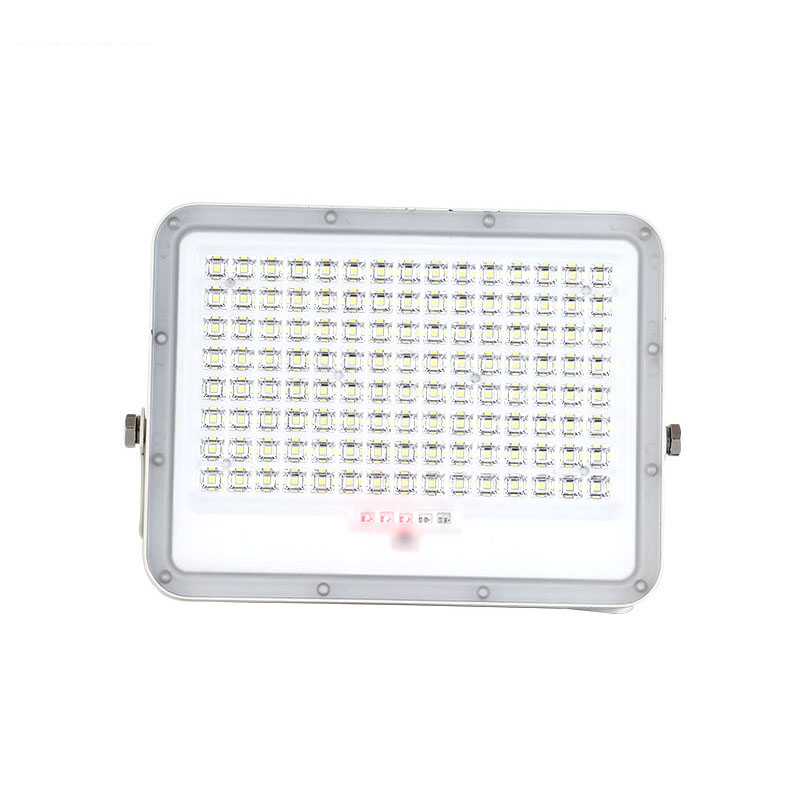
Example 1: Model A LED Flood Light
The LED luminaire is rated IK08 for impact resistance and IP65 for dust and water protection, ensuring reliable performance in outdoor environments. It has been tested according to IEC 62262:2002, using a 5-joule impact applied by a 1.7 kg mass dropped from 29.5 cm, and its durability has been verified by TÜV Rheinland under Report #TR-12345. Designed specifically for urban pathways, parks, and building facades, this fixture combines robust weatherproofing with mechanical impact protection, providing long-lasting and dependable outdoor illumination.
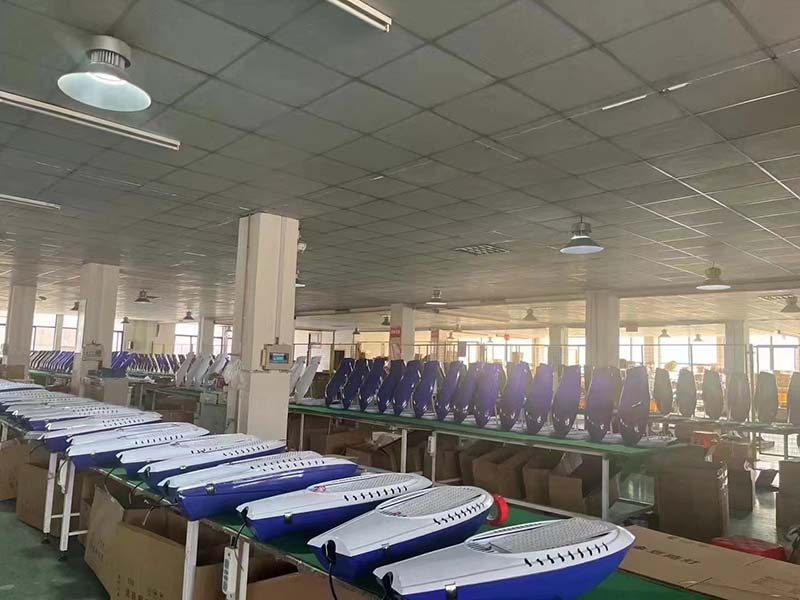
Example 2: Model B Street Light
The LED street light features an IK10 rating for maximum impact protection and an IP66 rating for dust and water resistance, making it ideal for high-traffic streets, industrial zones, and areas prone to vandalism. It has been rigorously tested according to IEC 62262:2002, with a 20-joule impact applied using a 5 kg mass dropped from 40 cm, and its performance has been verified by Intertek Lab under Report #IT-67890. This combination of robust mechanical protection and weatherproofing ensures long-lasting durability while maintaining energy-efficient LED performance.
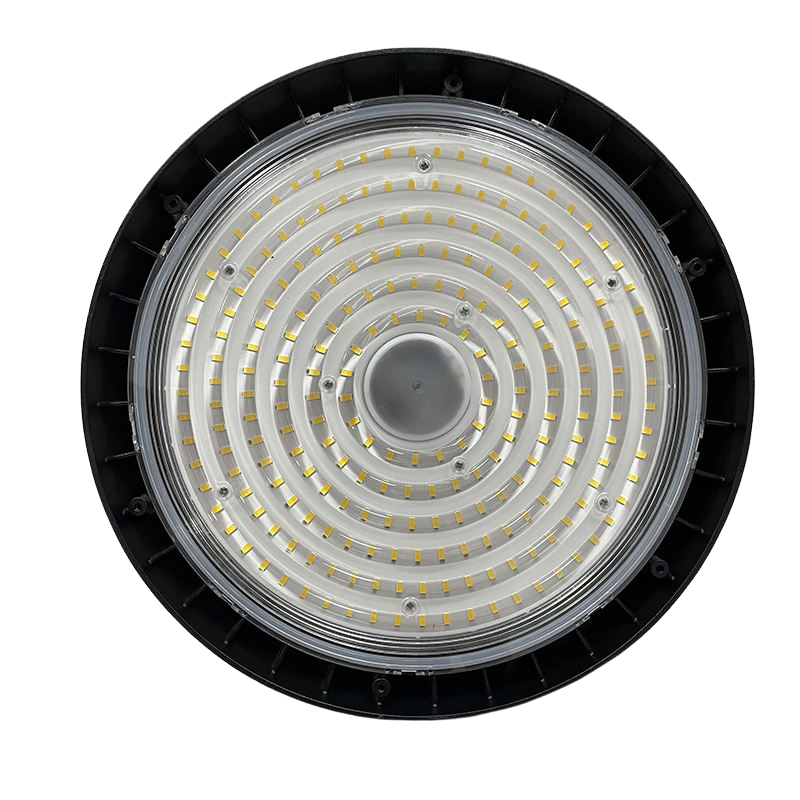
Example 3: Model C Highbay LED
The highbay LED luminaire is rated IK09 for impact resistance and IP65 for dust and water protection, making it suitable for industrial warehouses, factories, and semi-industrial areas. It has been tested according to IEC 62262:2002, using a 10-joule impact with standardized drop-weight testing, and its durability has been verified by UL Labs under Report #UL-54321. The IK09-rated enclosure minimizes the risk of mechanical damage from accidental contact with equipment or tools, ensuring reliable and long-lasting performance in demanding industrial environments.
Visual Supplement Suggestions
To enhance both clarity and credibility, it is recommended to include a combination of visual aids that help readers understand IK ratings and the durability of LED luminaires. This can include an IK rating table or diagram, which clearly maps IK00 to IK10 against the corresponding impact energy in joules and typical applications, allowing readers to quickly interpret the level of mechanical protection offered by each rating. An impact test illustration, showing a standardized pendulum or drop-weight test applied to the LED fixture, visually demonstrates how the IK rating is verified according to IEC 62262 standards.
Additionally, including a product datasheet screenshot that highlights the IK rating, IP rating, and IEC compliance statement directly from the manufacturer provides verifiable specifications, while real product photos of LED enclosures emphasize robust housing and real-world durability, helping readers relate technical specifications to actual products. Combining these visual aids not only improves conceptual clarity through diagrams and tables but also adds practical credibility through datasheets and product images, making complex technical information easier to understand for B2B buyers and project planners, and supporting informed decision-making regarding the impact resistance and longevity of LED luminaires.
Why IK Ratings Are Critical for LED Lights
LED luminaires often operate in environments exposed to weather, accidental contact, or even vandalism, making mechanical durability a critical consideration. Selecting fixtures with the appropriate IK rating ensures long-term performance, reduces maintenance costs, and safeguards investment. For example, IK08 LED lights, capable of withstanding 5 joules of impact as specified in IEC 62262:2002, are commonly installed in urban areas, parks, and commercial pathways. Their durability is typically verified through manufacturer datasheets or independent certifications, such as TÜV Rheinland reports, ensuring reliable operation in public spaces.
In contrast, IK10-rated fixtures, offering maximum protection against 20-joule impacts, are designed for industrial zones, sports facilities, and high-traffic public areas. These luminaires have been tested using standardized methods (e.g., drop-weight or pendulum impact tests) and are often supported by independent lab verification, which can be referenced in product specifications or datasheets. Choosing the correct impact rating not only protects the LED fixture from mechanical damage but also maintains consistent lighting performance and extends service life, even in challenging environments.
Visual Supplement Suggestions:
IK Rating Table / Diagram – Map IK00–IK10 to corresponding impact energies and typical applications for quick reference.
Impact Test Illustration – Schematic of pendulum or drop-weight tests applied to LED enclosures to visually explain testing methods.
Product Datasheet Screenshot – Highlight IK and IP ratings, along with IEC compliance, from real manufacturer datasheets.
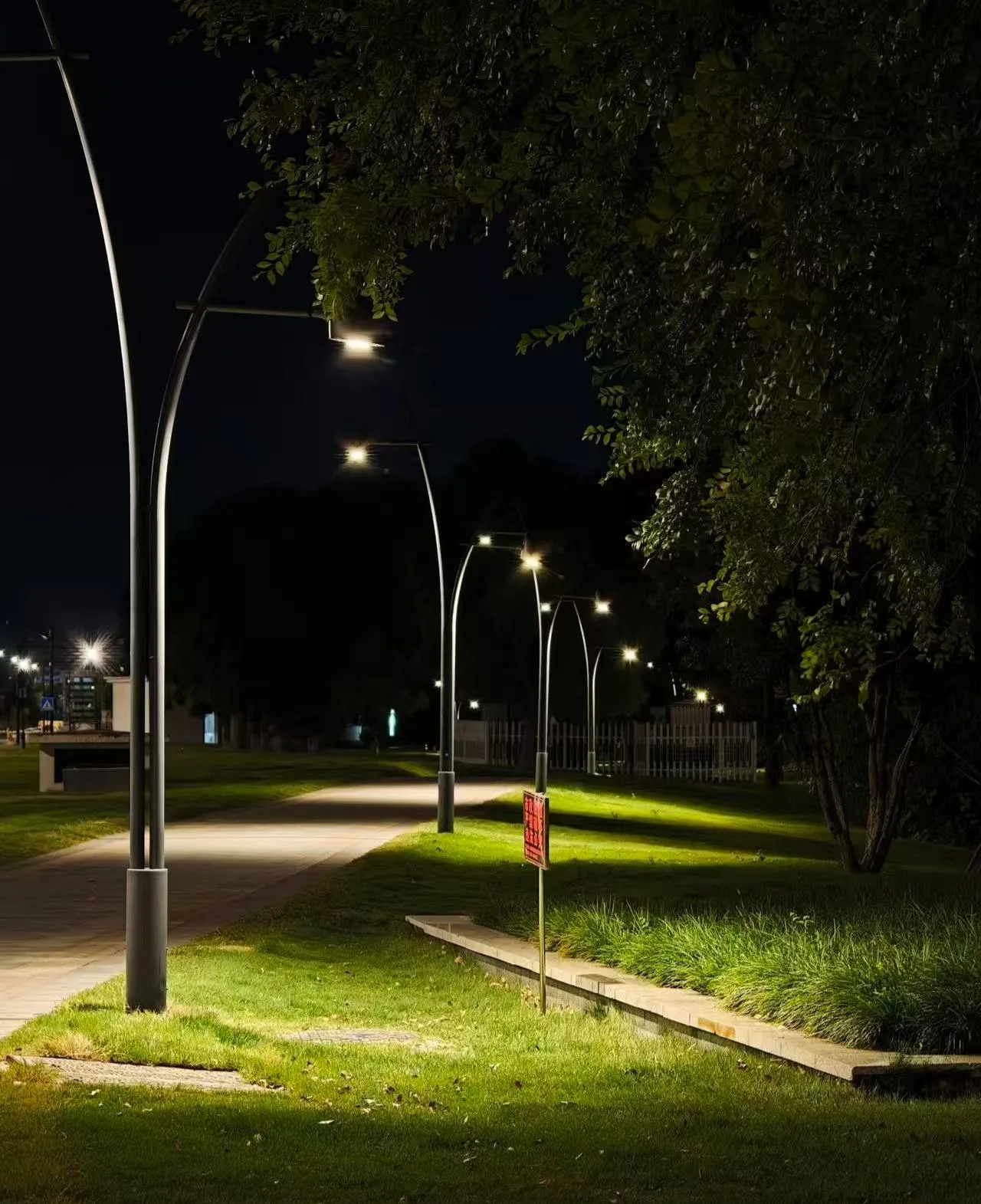
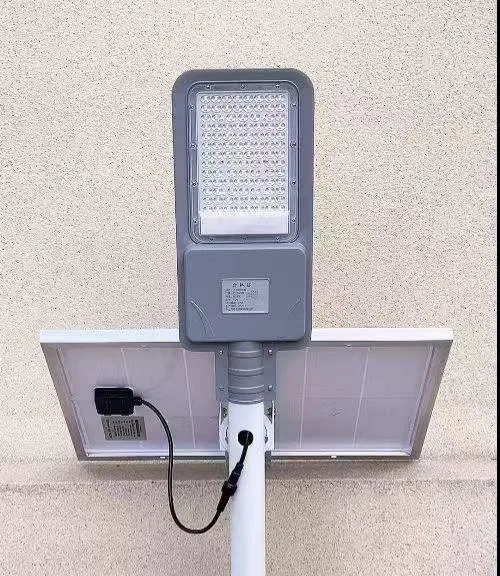
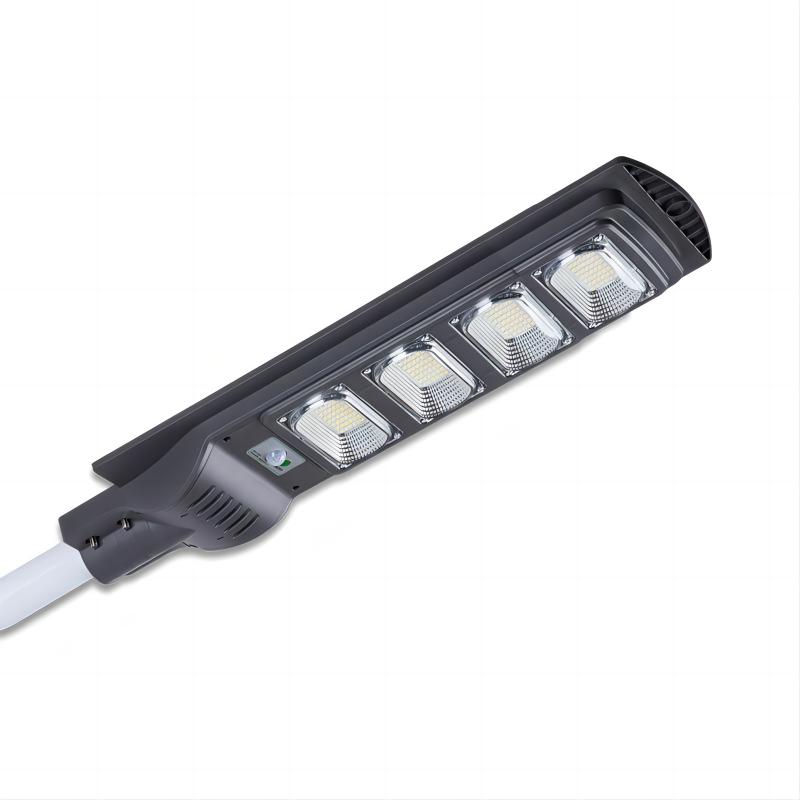
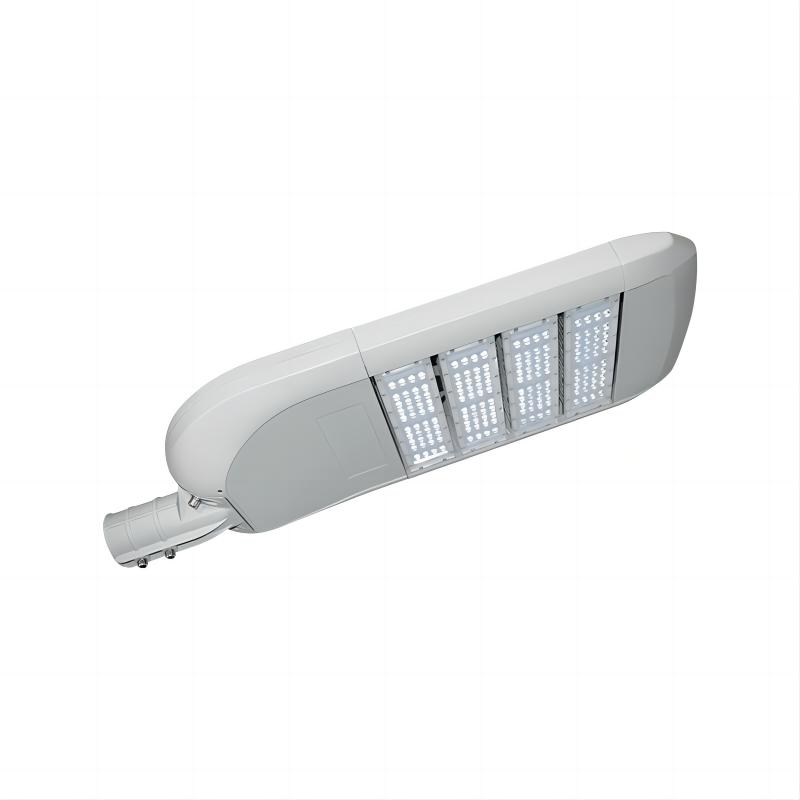
Installation or Product Photos – Show LED luminaires in urban pathways, parks, or industrial zones to link technical specifications to real-world applications.
Benefits:
Provides data-backed, verifiable information for B2B buyers and project planners.
Combines technical clarity (tables, diagrams) with practical credibility (datasheets and real photos).
Enhances understanding of how IK ratings relate to fixture durability and environment suitability.
Comparing IK Ratings: IK07, IK08, IK09, and IK10
| IK Rating | Impact Energy | Ideal Applications |
| IK07 | 2 joules | Indoor areas, low-risk locations |
| IK08 | 5 joules | Outdoor public spaces, walkways |
| IK09 | 10 joules | Semi-industrial zones, busy streets |
| IK10 | 20 joules | Industrial, vandal-prone, high-traffic areas |
Understanding these distinctions allows you to select the optimal IK-rated LED light for each project, balancing durability and cost.
Common Applications of IK-Rated LED Lights
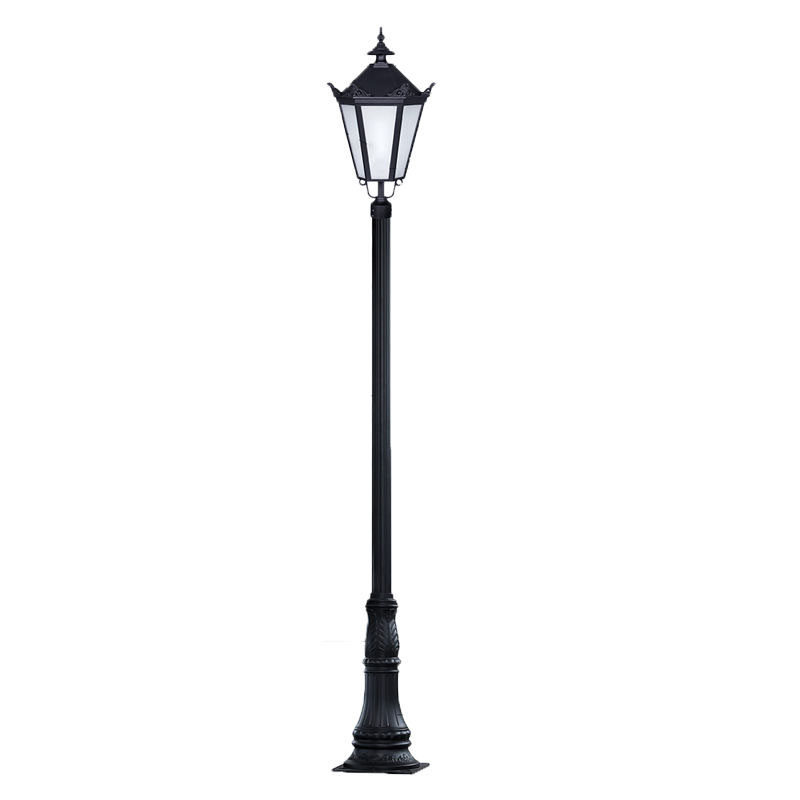
LED lighting solutions, such as flood lights, street lights, garden lights, and highbay lights, benefit greatly from appropriate IK ratings that ensure durability and reliability. IK08 and IK10 flood lights provide wide-area illumination while resisting accidental impacts, making them suitable for public spaces and urban environments. IK10-rated LED street lights can withstand harsh urban conditions and vandalism, whereas IK08-rated garden lights ensure safety and longevity in parks and recreational areas. Industrial environments, including factories and warehouses, benefit from highbay LED lights with IK09 or IK10 ratings, which protect fixtures from mechanical stress and maintain consistent performance. Understanding what IK means and leveraging ratings such as IK08, IK09, and IK10 allows businesses to make informed decisions that optimize safety, reliability, and lifespan. Selecting the correct IK-rated fixture reduces maintenance costs, improves safety, and, when considered alongside other specifications like IP ratings, brightness, and energy efficiency, ensures optimal overall lighting performance.
FAQ: Common Questions About IK Impact Ratings
Q1: What is the difference between IK and IP ratings?
A: The IK rating indicates a luminaire’s resistance to mechanical impact, while the IP rating indicates protection against dust and water. Both are complementary but focus on different aspects of durability.
Q2: What is the difference between IK08 and IK10?
A: IK08 corresponds to a 5-joule impact, suitable for outdoor public areas such as parks and walkways. IK10 corresponds to a 20-joule impact, making it more suitable for industrial zones, stadiums, or areas prone to vandalism.
Q3: What factors should be considered when choosing an IK rating?
A: Consider the risk level of the installation environment (e.g., high foot traffic, likelihood of accidental or intentional impact), expected maintenance costs, and project requirements for lifespan and reliability.
Q4: How is the IK rating tested and certified?
A: Typically based on the IEC 62262 standard, the luminaire is subjected to specified impact energy using a pendulum or drop hammer. Accredited third-party laboratories or manufacturer labs then issue test reports.
Q5: Do all LED luminaires require a high IK rating?
A: No. Low-risk indoor environments generally only require IK07, whereas outdoor public areas, industrial settings, or locations with high-value assets benefit from higher ratings such as IK08, IK09, or IK10.
Q6: How should IK information be presented in product specifications?
A: It is recommended to list IK rating alongside key parameters like IP rating, power, and luminous efficacy in the specification sheet. Include IEC-compliant test reports or third-party certification when necessary, helping B2B buyers and project teams quickly assess durability.
Conclusion
In conclusion, selecting the right IK rating for your LED luminaires is essential to ensure long-term durability, lower maintenance costs, and stable performance in demanding environments. By matching IK07–IK10 protection levels to the real impact risks of your application, you can better protect your lighting investment while improving safety and reliability across your projects.
Ready to Upgrade Your IK-Rated LED Lighting?
If you are planning a new project or upgrading existing installations, our team can help you choose the optimal IK-rated LED solution for your specific environment and budget. Contact us today to request a detailed product datasheet, get a tailored lighting proposal, or speak with a specialist about IK- and IP-rated luminaires for your application.