Skip to content
Solar lights can look “bright” on day one, but many dim fast as the night goes on. That is why “outdoor solar lights highest lumens” is not always the best choice. The best lumen level is the one that still looks good after hours of use, in winter, and in shade. For B2B projects, the goal is predictable performance that is easy to plan, buy, and verify—so practical lumen ranges, real runtime rules, and a buyer checklist beat chasing the outdoor solar lights brightest headline number and vague solar lumens claims.
Quick answer: recommended lumens by use case
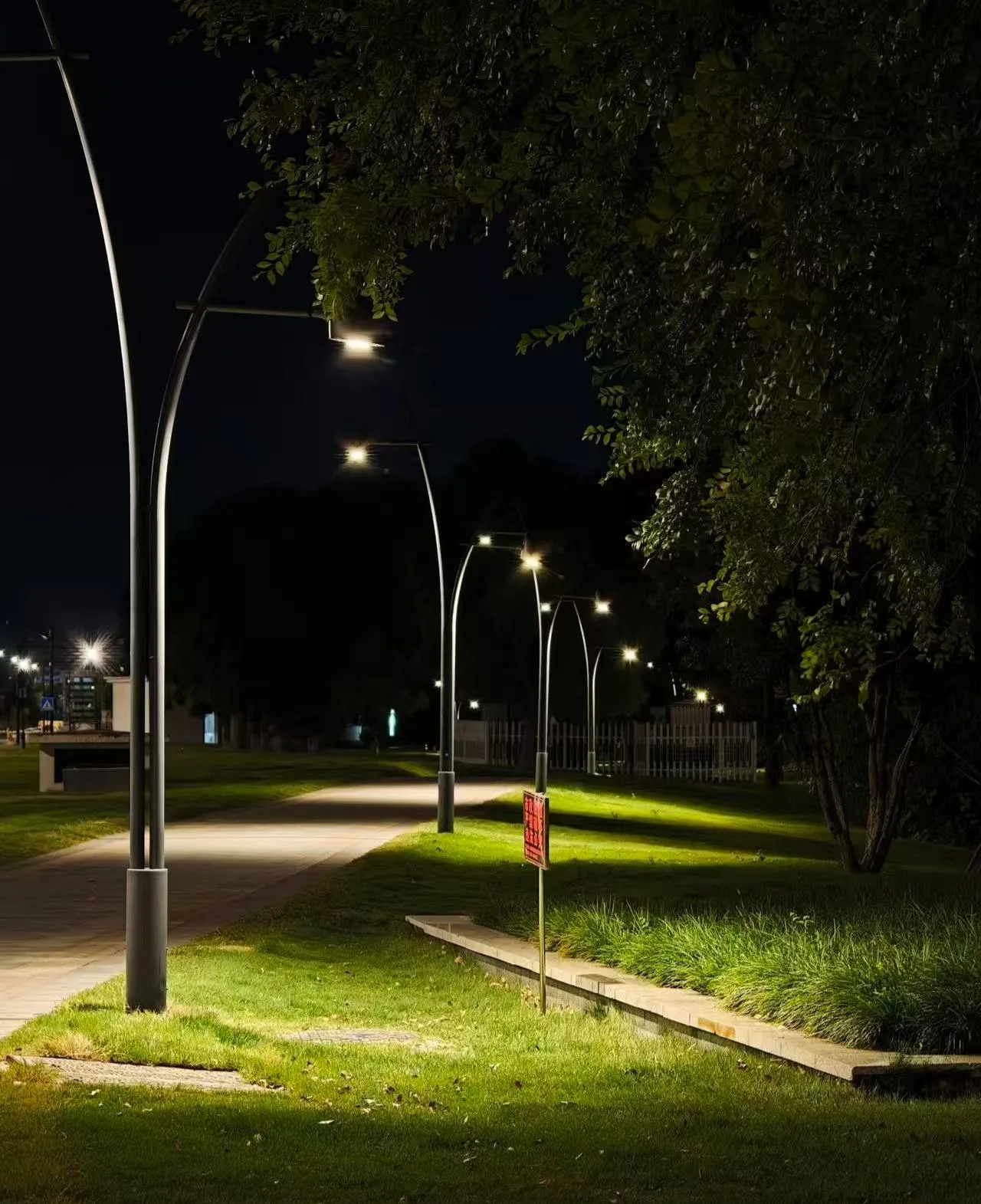
Start with the job the light must do, then choose a lumen range that matches it. Rule of thumb: low lumens are for marking a path, mid lumens help you see faces and steps, and high lumens are only for real security lighting or small floodlight use.
Table A — Lumen ranges you can use in most projects
| Use case | Best lumen range (each light) | Typical mount height | What it looks like |
| Path marker (edge of path) | 5–30 lm | 0.3–0.6 m (1–2 ft) | Small dots of light. Helps you follow the line. |
| Steps / trip hazard | 20–80 lm | 0.2–0.8 m (1–3 ft) | Clear step edges. No glare. |
| Garden accent (plants, stones) | 30–120 lm | 0.3–1.0 m (1–3 ft) | Soft highlight on one spot. |
| Patio / seating area | 150–400 lm | 1–2 m (3–6 ft) | You can walk and talk. Good comfort. |
| Driveway edge / small yard | 200–600 lm | 1.5–3 m (5–10 ft) | Wider pool of light. Better feel of space. |
| Perimeter / basic safety | 300–800 lm | 2–4 m (6–13 ft) | You can see people and movement. |
| Small flood / wide spot | 600–1500 lm | 2–5 m (6–16 ft) | Strong light. More glare risk. Aim matters. |
Where most buyers land is simple: for paths, 100 lumen solar path lights is often enough when optics are good; for yard and patio, solar lights 200 lumens to 600 lm is a safe range. Be careful with highest lumen outdoor solar lights or solar garden lights brightest claims, because many “bright” lights stay bright only for a short time. If you are buying solar garden lights for a project, this simple table is a good start.
What lumens mean (and what they do not)
Lumens tell you how much light the lamp makes. It is the “total light output.”
But lumens do not tell you where the light goes. That is why lumens in solar lights is only one part of the story.
Lumens vs lux vs beam spread
Lumens: total light coming out of the lamp.
Lux: light that lands on the ground. Lux changes with height and distance.
Beam angle: how wide the light spreads. A narrow beam looks bright in one spot. A wide beam looks softer but covers more.
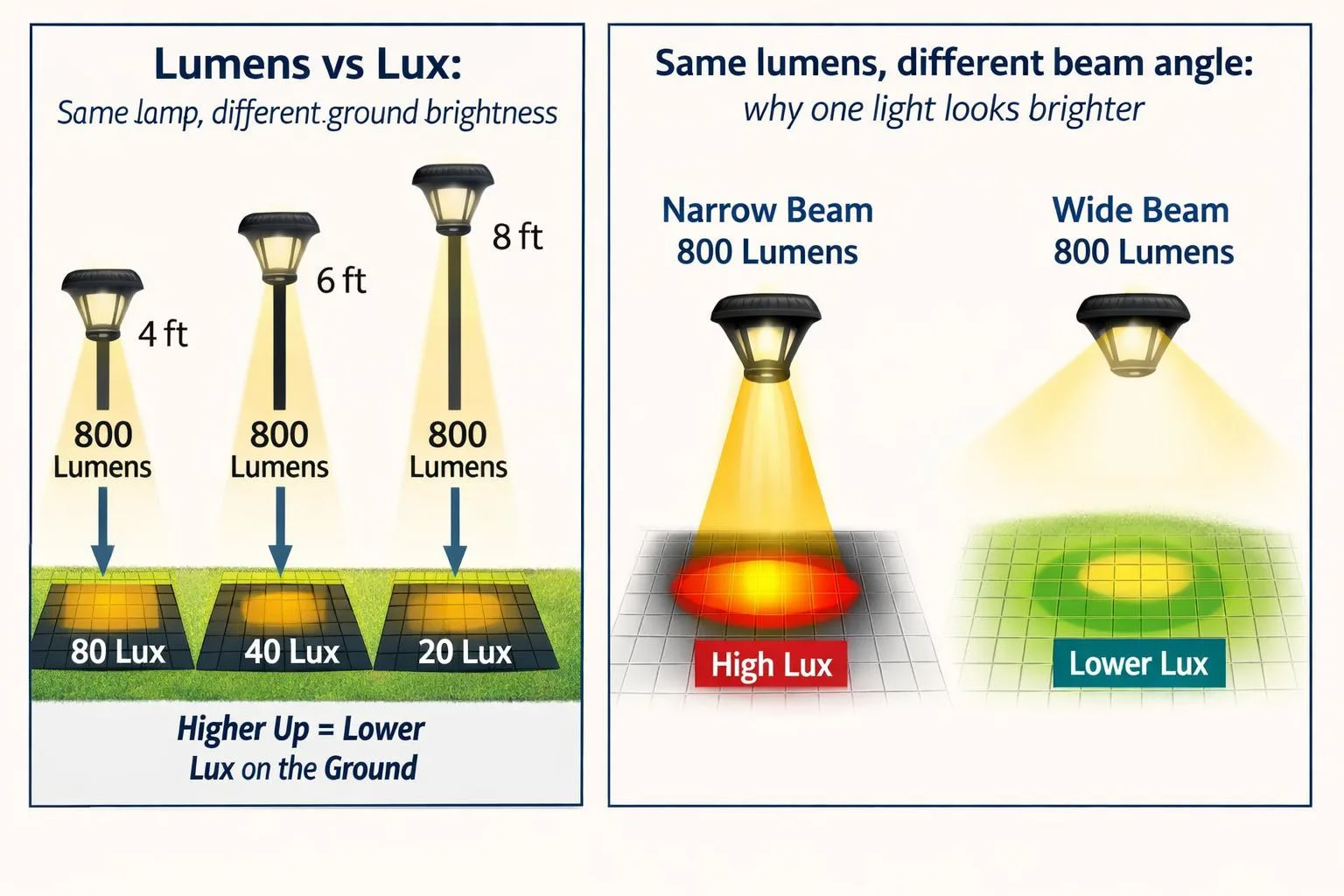
Two lights can have the same lumens. One can still look brighter. Why? It may have a narrow beam. It puts more light into a small area.
That is why “lumens in solar lights” is only one part of the story. Optics matter too
Simple example: same lumens, different look
For the best solar lights for outdoors, optics and beam angle matter too: A 200 lm light with a narrow beam can create a “hot spot,” while a 200 lm light with a wide beam looks calmer and covers more area. For garden work, wide and soft light is often better because it feels safe and reduces glare. Tip for B2B buyers: ask for beam data, or at least the beam angle, so you can plan spacing—especially for solar powered security lights or an outdoor solar floodlight.
How bright is 10 lumens? (and 100 / 200 lumens)
Many searches ask: how bright is 10 lumens, or 10 lumens how bright. This is a fair question. Here is a simple way to picture it in real life.
10 lumens (real world feel)
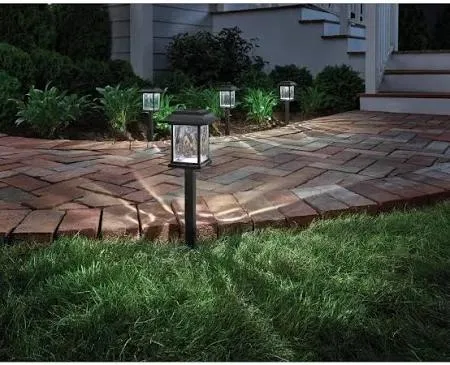
10 lm is like a small marker light. It helps you see the edge of a path. It does not light up faces. It is common in small 10 lumens solar lights made for décor. If your goal is “guide me, do not trip,” then 10–30 lm can work.
100 lumens (common for paths and small areas)
100 lm is a useful path light level. You can see steps and small hazards. It can also work for low garden accents. This is why “100 lumen solar path lights” is a popular target. It often looks good without killing runtime.
200 lumens (more usable, still manageable)
200 lm can light a small area around a door or corner. It can make a yard feel brighter. It may still run well if the system is sized right. Many buyers search “solar lights 200 lumens” because it is a safe middle.
The big jump: 600–1500 lumens
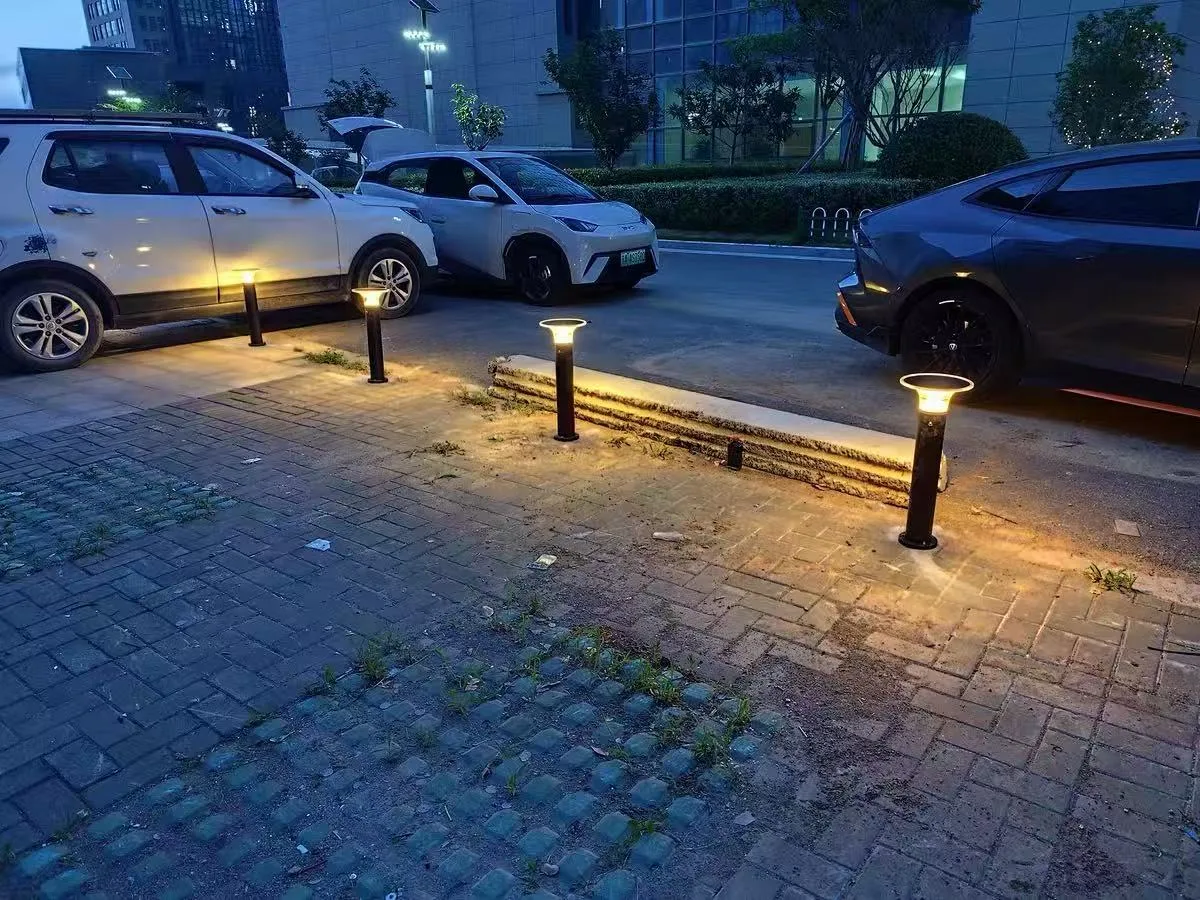
This range can work, but it needs more energy. It may also need better aiming. When you see claims like what is the highest lumens for solar lights or what is the brightest lumens for solar lights, and phrases like brightest solar powered yard lights, ask: “For how many hours does it stay near that level?” Bright for 30 minutes is not the same as bright all night.
Solar system limits: panel + battery decide your real brightness
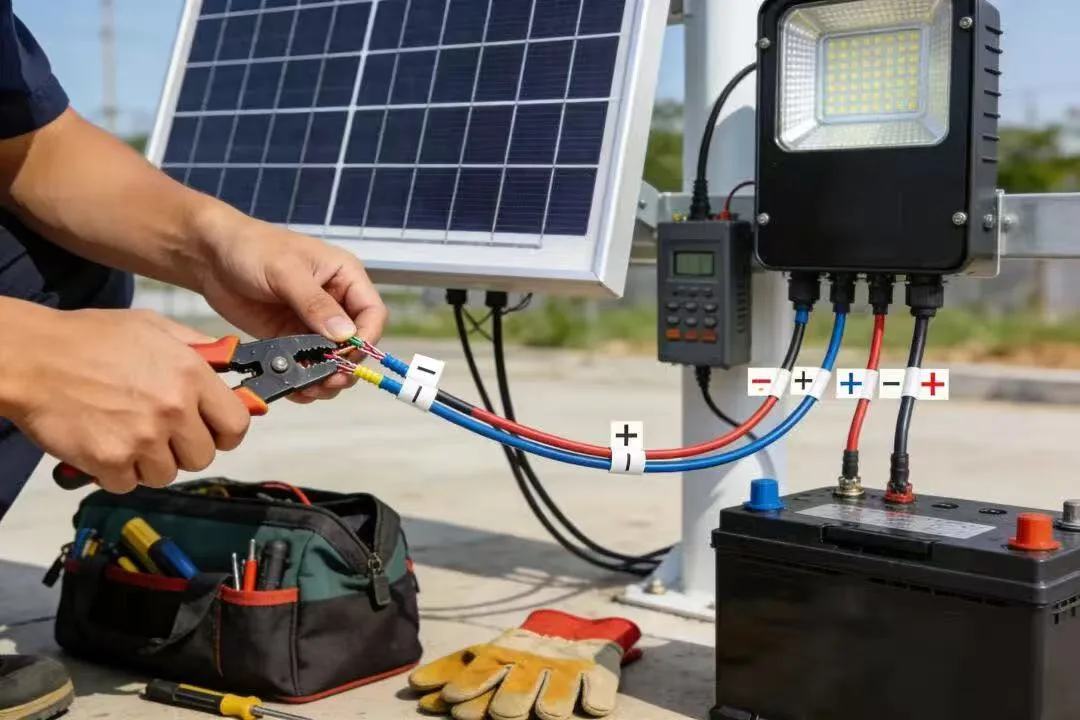
This is how to choose the best lumen for outdoor lights: match lumens to panel + battery, so solar garden lights bright stays true after hours, in winter, and in shade.
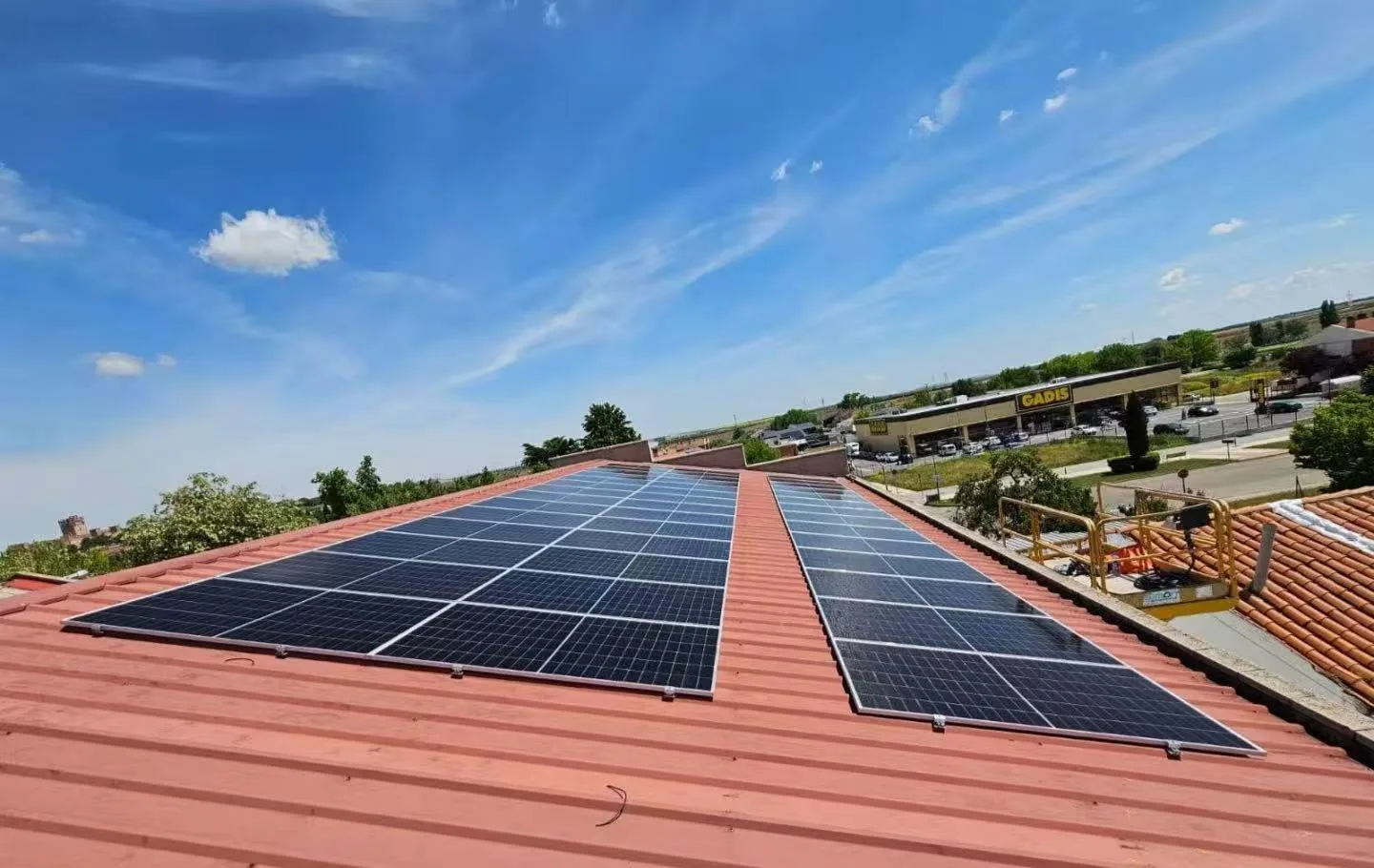
Solar panel: how much energy you can collect
Battery: how much energy you can store
Controller: how well energy is managed, and when the light dims
LED load: how fast the light uses energy
Dimming plan: how the light stays useful all night
If the system is too small, the light will dim early. In winter or shade, it may dim much earlier. It may not meet the night runtime target.
A simple energy model (easy math)
Think in watt-hours (Wh).
Battery Wh = stored energy
LED watts (W) = how fast you spend energy
Basic rule:
Required Wh ≈ LED watts × night hours
Example:
If a light uses 4 W and you want 10 hours, you need about 40 Wh.
Real systems have losses, so plan extra:
Required Wh ≈ LED watts × hours × (1.20 to 1.35)
Why the extra? Some energy is lost in the controller/driver. Not all battery energy is usable. Cold weather can reduce battery output. Real dimming behavior also changes results.
Table B — fast sizing sanity check (conservative)
Assumptions (simple and safe):
LED system efficacy: 120–160 lm/W (system level, not lab max)
Losses + real use margin: +20% to +35%
Night runtime target: 8–12 hours
| Target output (approx) | LED power estimate | Night runtime | Battery size ballpark | Solar panel ballpark |
| 100 lm | 1–2 W | 10 h | 15–30 Wh | 5–10 W |
| 200 lm | 2–3 W | 10 h | 25–45 Wh | 8–15 W |
| 500 lm | 4–6 W | 10 h | 60–100 Wh | 20–40 W |
| 1000 lm | 7–10 W | 10 h | 120–180 Wh | 40–80 W |
These are not “one true size.” They are a check.If you are comparing products by what is the highest lumen for solar lights, use this table to check if the panel and battery can really hold that output.
Winter and shade change everything
In winter, you have fewer sun hours, a lower sun angle, and more cloudy days. Shade from trees and walls also cuts input a lot—small shade can cause big losses. So the best plan is to choose the lumen range you really need, size the battery and panel to match that need, and use smart dimming after midnight if needed. This is one reason “the best solar lights for outdoors” are not always the ones with the highest lumen number on the box.
Buying checklist : how to verify “bright” claims
Many buyers ask: what is the highest lumens for solar lights or what is the highest lumen for solar lights. The real buyer question is: “Will it stay bright enough for my site, for years, with real weather?” Here is a clear checklist you can use.
Ask for output mode and runtime profile
First, ask how the lumen number is measured in real use. Is it a peaknumber or a steadynumber? Does it dim after 1–2 hours? Is there a runtime curve, like “high first, then low”? A strong spec sheet should show output level by time block, total hours per night, and how the light behaves when the battery is low.
Ask for battery in Wh (not only mAh)
mAh alone can mislead because voltage matters. Better is a battery section that lists battery type (LiFePO4, Li-ion, etc.), battery Wh, cycle life goal, and basic protection features.
Ask for panel watt and real placement limits
Solar performance depends on the panel and how it is installed. A good spec should state panel watt, where it must face, tilt limits, and clear shade warnings.
Ask about optics and beam angle
Optics decide how the light feels in a garden. A wide beam is better for paths and patios, a narrow beam is for a focused accent, and a flood pattern is for wide coverage. If you need a real yard flood, you may need an outdoor solar floodlight; if you just need path comfort, a wide path light is often better.
Ask for IP rating and outdoor proof
For outdoor use, you want a clear IP rating for water and dust, plus a corrosion plan (coating, seals, and fasteners).
Ask for planning guidance
A good supplier should provide simple planning help, like suggested mounting height, spacing guidance, and what area one light can cover. This is normal in led street lighting projects, and it should also exist for solar garden projects.
Make sure the product type matches the job
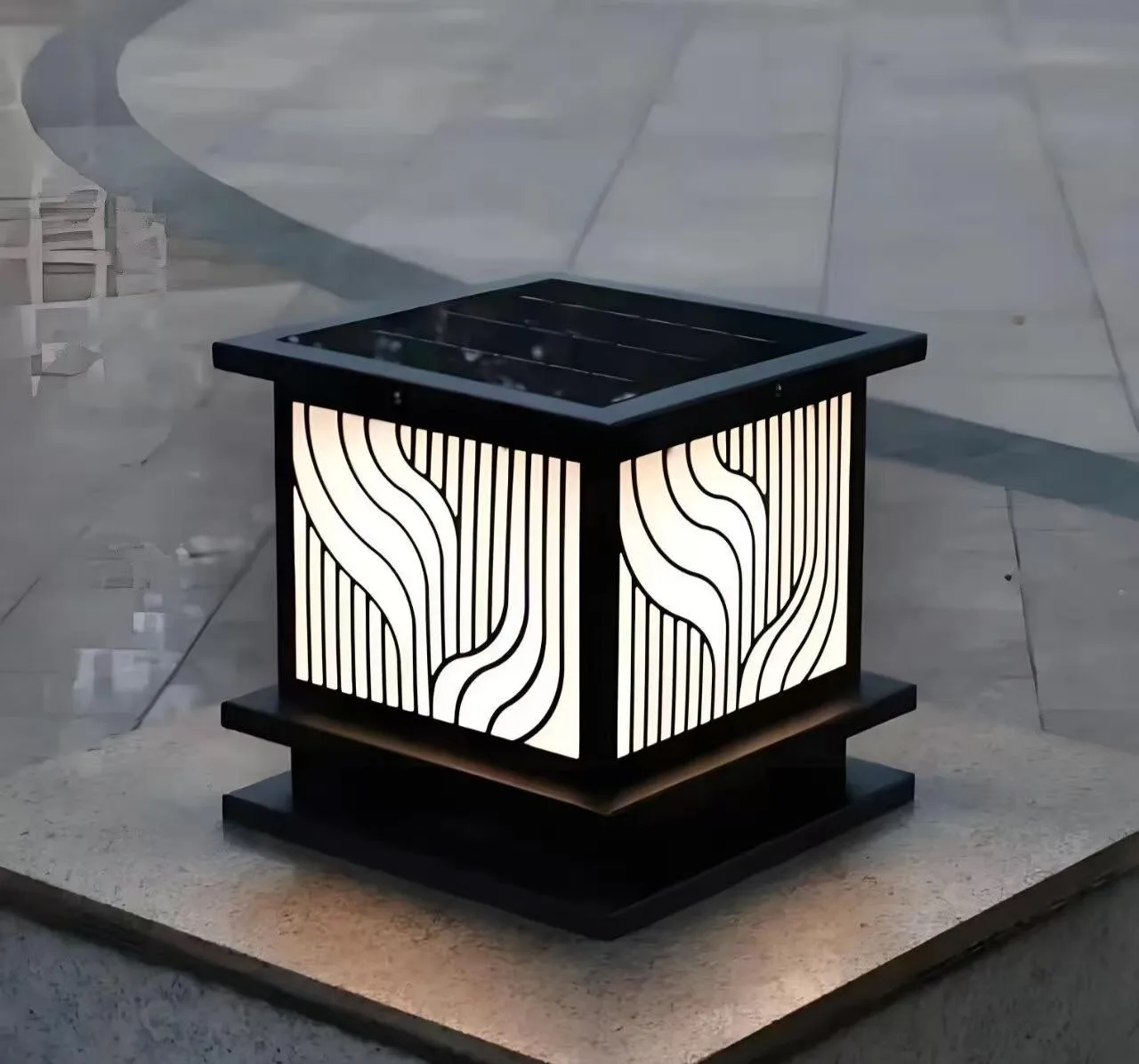
Match the light style to the job. For bollard style, choose a post solar lightwith wide, soft light. For corners and gates, use solar powered security lights with the right sensor plan. For décor only, small markers can be 10–30 lm(often searched as 10 lumens brightness).
Short note on confusing search terms
Some searches are misleading. “lumensis” is likely a typo or mixed term; in lighting, the key term is “lumens.” “amazon solar lights indoor” can be risky because indoor lights may not have outdoor IP protection, so for projects choose outdoor-rated products only. “garmin 8 solar” is a watch product line, not a lighting lumen topic, and it uses “solar” in a different way.
FAQ + CTA (next steps)
1) What is the best lumen for outdoor lights in a garden?
For paths and garden accents, 30–200 lm per light is often enough. For patios and small yards, 200–600 lm is a common sweet spot.
2) What is the brightest lumens for solar lights?
Some products claim very high numbers. But the key is “how long.” Ask for a runtime curve. A very high peak can drop fast.
3) How many lumens do I need for pathway vs security?
Pathway markers can be 10–80 lm. Paths you walk on often are 80–200 lm. Security and perimeter zones are often 300–1000+ lm, based on height and area.
4) How long will a 200-lumen solar light run at night?
It depends on LED watts, battery Wh, and dimming rules. Many will run 8–12 hours with dimming. Ask for the time-by-time output plan.
5) Does higher mAh always mean brighter solar lights?
No. Brightness depends on LED power and optics. mAh is only part of battery size. Wh is better.
6) How many lumens is sunlight?
This question mixes two different ideas. Sunlight is better described by lux (light on the ground). Full sun at noon can be around 80,000–120,000 lux. That is not a “lumen output of the sun” in the same way as a lamp.
7) how many lumens does the sun produce?
The sun’s total light output is huge, but it is not useful for choosing garden lights. What matters is the light level at your site (lux) and how much solar energy reaches the panel (sun hours, shading, season).
8) Are 10 lumens solar lights useful?
Yes, for marking edges or décor. But they do not give real area light. If you need safe walking light, go higher.
9) Are indoor solar lights safe outdoors?
Often not. Indoor lights may lack weather seals. For outdoor use, choose outdoor rated products with a clear IP rating.
10) What should I ask for to confirm a product is real?
Ask for: battery Wh, panel W, runtime curve, beam angle, IP rating, and warranty terms. For larger projects, ask for photometric data.
Share five details and we can recommend a lumen range and a safe system size for your site: use case (path, patio, yard, perimeter), area size and layout, mounting height, target runtime per night, and city/season notes like winter and shade. Tell us your goal, and we will suggest a simple solar garden light plan that stays bright—not just “bright on day one.”