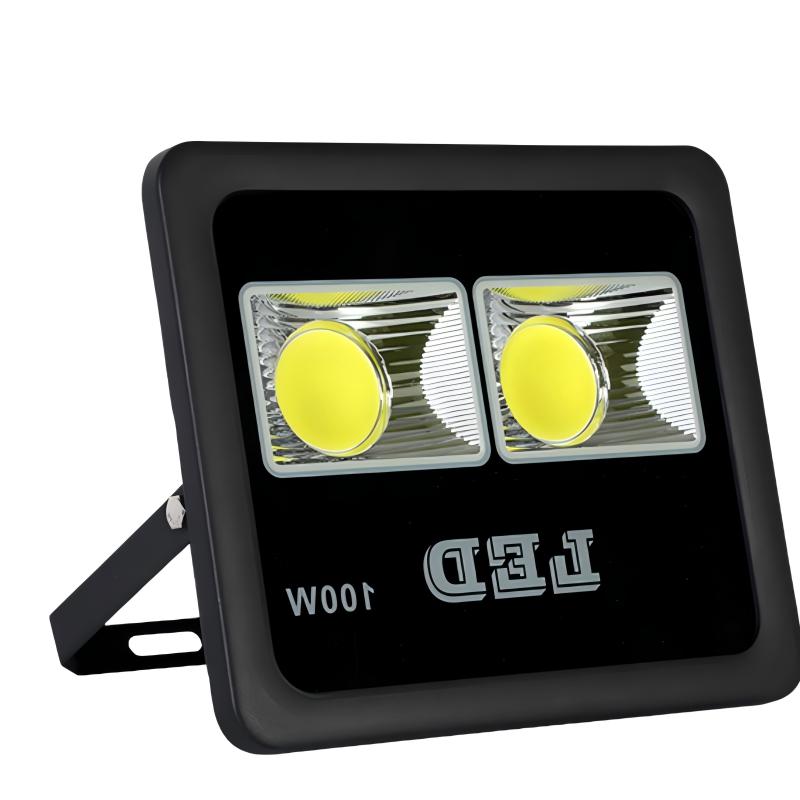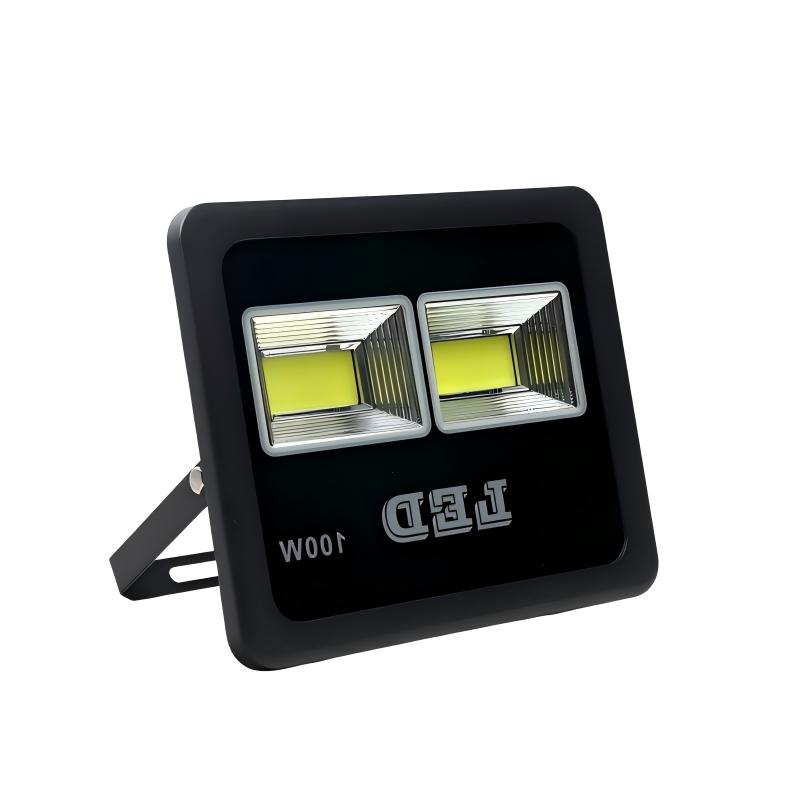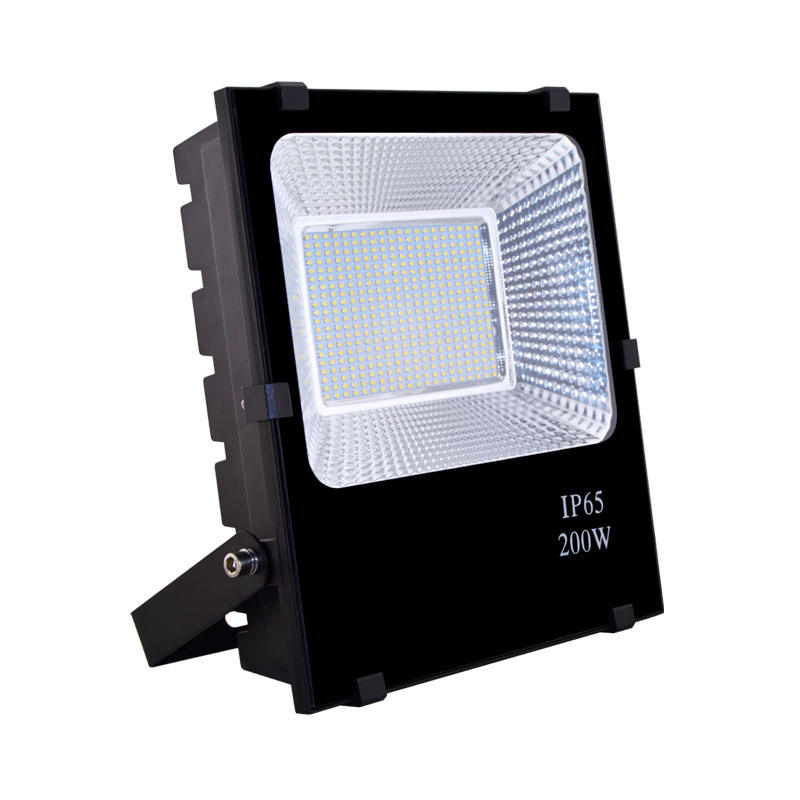
Led flood lights outdoor are essential across industrial facilities, logistics centers, warehouses, sports complexes, and commercial buildings. Whether you’re an electrical contractor, procurement manager, lighting distributor, or engineering consultant, one question appears in nearly every specification or bidding stage:
How many lumens does a 100w led flood light produce—and is it bright enough for my project?
Based on real-world product specifications, IES LM-79 photometric tests, and compliance with international standards such as EN12464-1 and OSHA foot-candle requirements, this section provides a detailed engineering-level explanation. It aims to clarify not just the theoretical lumen output but also practical performance, coverage, and long-term ROI for B2B applications.
Understanding lumen output is critical because it affects the number of fixtures required, energy efficiency, installation costs, and compliance with workplace lighting standards.
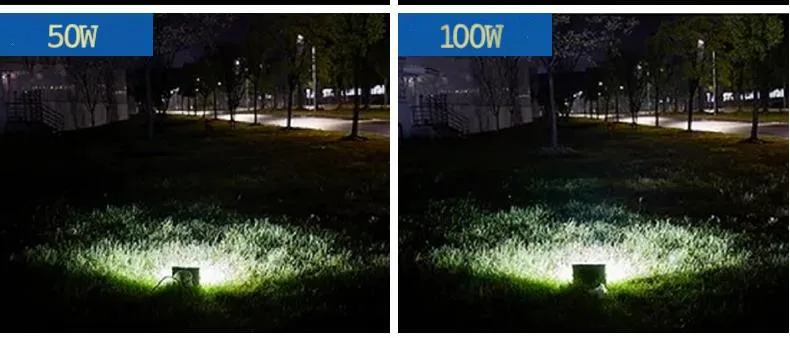
Why the Lumen Output of a 100w led floodlight Matters for B2B Projects
Brightness is more than a marketing number. In professional lighting design, lumen output directly impacts multiple operational and compliance factors:
Safety compliance: EN12464-1 recommends 100–200 lx for warehouse aisles and 200–300 lx for loading/unloading zones. OSHA specifies a minimum of ~10 fc (~108 lx) for general warehouse pathways. Correct lumen output ensures workplaces meet these legal and safety standards.
Worker productivity: Adequate illumination reduces human error in picking, packing, and assembly lines.
Security and monitoring: Sufficient lumens improve visibility for CCTV cameras and security personnel, particularly in outdoor yards and perimeters.
Uniformity and glare control: Proper light distribution ensures consistent lux levels across working areas and minimizes shadows.
Energy and operational costs: Higher efficiency reduces the number of fixtures required, cutting cabling, pole requirements, and maintenance cycles.
For example, suppose a warehouse requires 200 lx over a 300 m² yard:
Using a 100w flood light rated at 15,000 lm (system efficacy ~150 lm/W) may require 10 fixtures.
A lower-lumen 100W unit (~12,000 lm, ~120 lm/W) would require 14 fixtures, increasing labor, cabling, and total wattage by roughly 40%.
This illustrates why realistic, measured lumen output—not just the label wattage—is essential for B2B decision-making.
The Short Answer — How Many Lumens Does a floodlight led 100w Produce?
Most high-quality led exterior flood lights produce:
10,000 to 18,000 lumens for a 100-watt fixture.
Why such a large range? Because lumens depend on efficacy (lm/W). Below is a breakdown:
| LED Efficacy (lm/W) | Lumen Output at 100W |
| 110 lm/W | ~11,000 lm |
| 130 lm/W | ~13,000 lm |
| 150 lm/W | ~15,000 lm |
| 170 lm/W | ~17,000 lm |
| 180–200 lm/W (premium industrial) | ~18,000–20,000 lm |
High-end industrial flood lights frequently reach 160–180 lm/W thanks to improvements in:
High-performance SMD3030/SMD2835 chips
Lower optical loss in lens systems
Better drivers with higher efficiency
Optimized thermal paths
A led floodlight 100w can there forerange from a mid-tier 11,000-lumen security fixture to a 20,000-lumen industrial-grade unit.
What Determines the Real Lumen Output? (Engineering Factors)
Even when two LED flood lights consume the same wattage, their brightness can still vary by 30–60%. This gap comes from real engineering factors that directly influence how much usable light the fixture can deliver—not just what’s written on the spec sheet.
LED Chip Efficiency (lm/W)
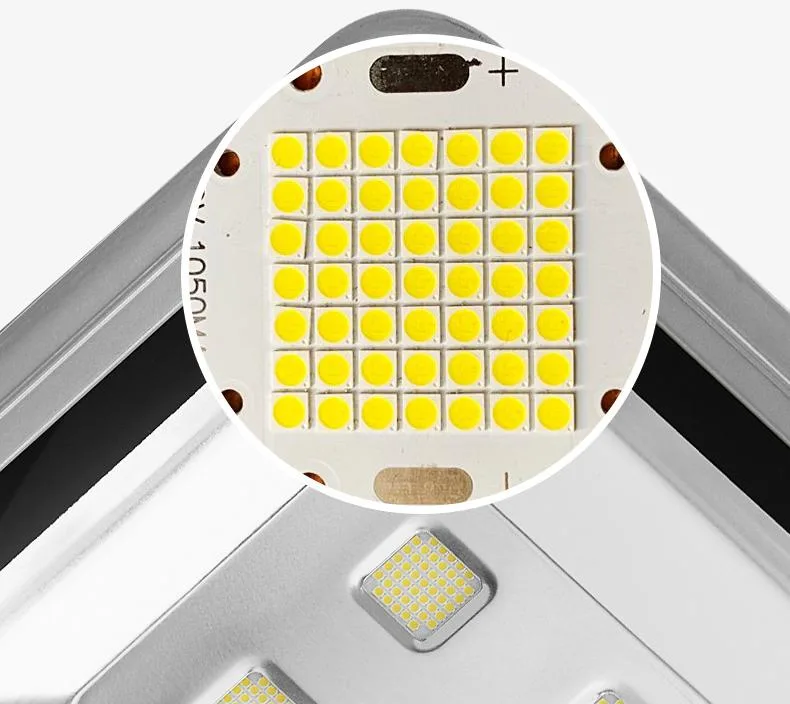
Bright led floodlight starts at the chip level, where different LED architectures and quality grades lead to large variations in lm/W performance. High-performance SMD 2835/3030 chips typically achieve 130–200 lm/W depending on binning and phosphor quality, while COB modules deliver 110–160 lm/W but often show faster lumen decline due to higher thermal density. Premium manufacturers such as Nichia, Cree, Lumileds, and Osram publish complete LM-80 data—validated across 50,000–100,000 hours—which forms the basis for TM-21 projections of long-term L70/L90 behavior. These certified results provide a reliable indication of how the chips will maintain light output under real operating temperatures, offering substantially better long-term performance than generic or untested LEDs
Driver Quality & Electrical Stability
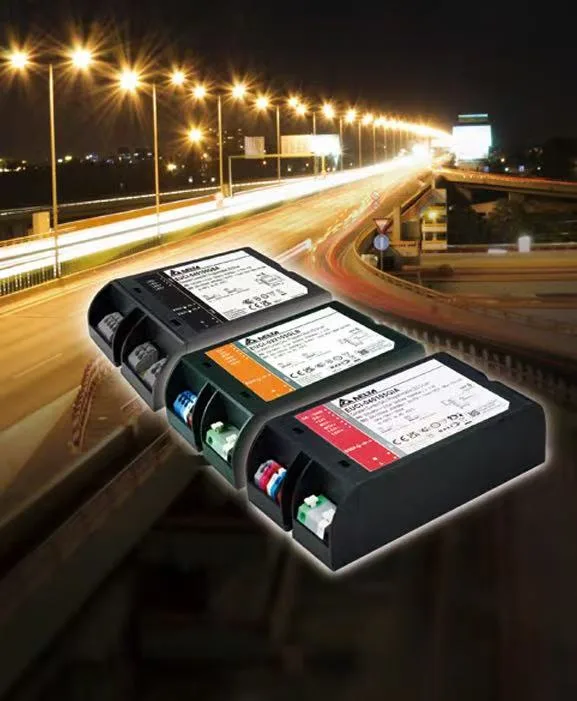
The LED driver plays a critical role in delivering stable electrical power to the LED module, and a low-quality driver can reduce real lumen output by 10–20% due to voltage ripple, unstable current, and poor power regulation. In contrast, high-quality drivers from brands such as Mean Well, Inventronics, and Sosen provide a power factor above 0.95, THD below 10–15%, current ripple under 5%, and conversion efficiency of 88–93%, resulting in more consistent brightness and longer system lifespan. Poor drivers typically introduce visible flicker, faster lumen degradation, higher junction temperatures, and overall shortened operational life—all of which underscore the importance of stable driver design in maintaining long-term lighting performance.
Optical System & Beam Angle Losses
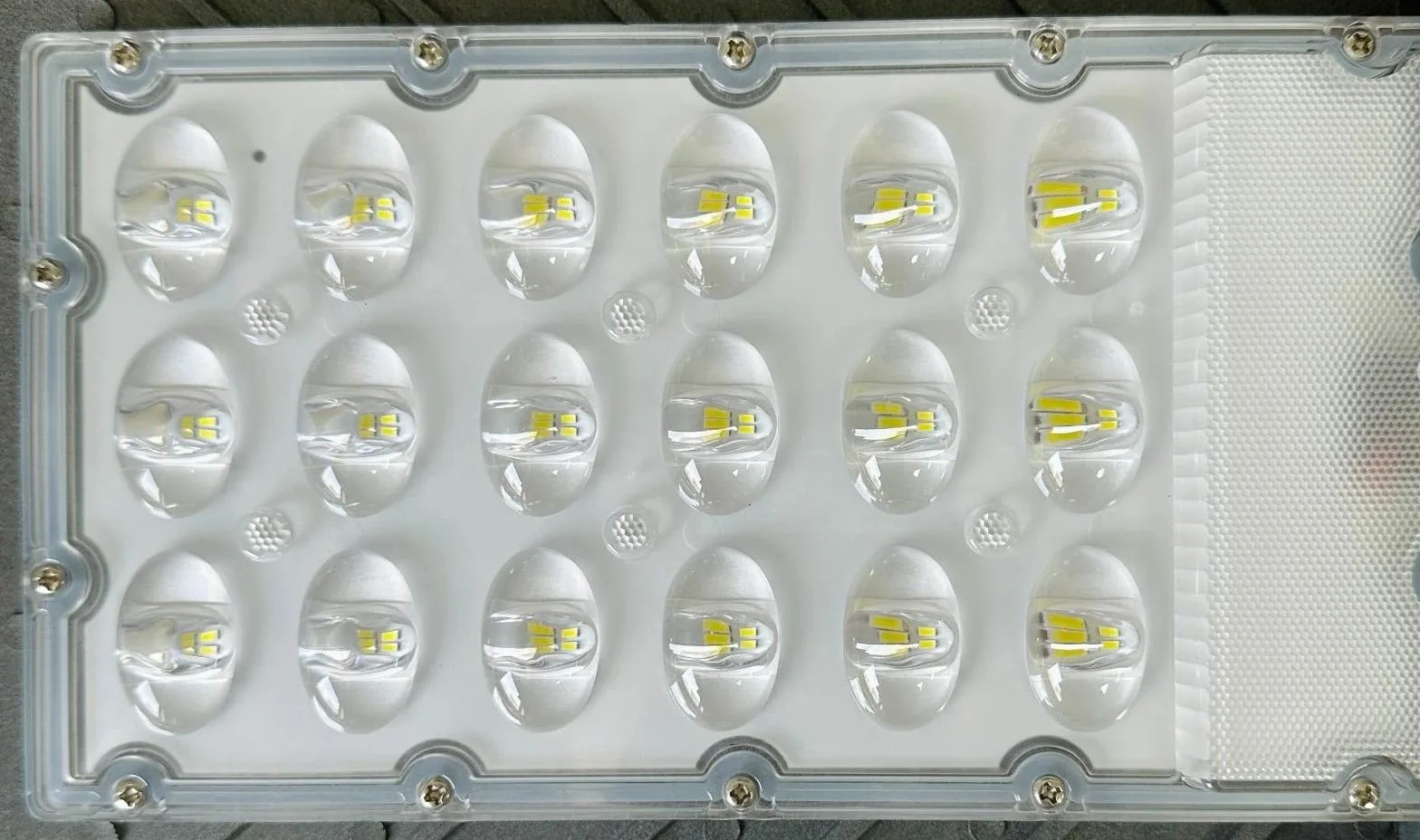
Although a 100W LED board may generate 13,000–18,000 lumens, the fixture’s optical system ultimately determines how many lumens are delivered to the target area. Typical light transmission losses include tempered glass (91–93%), PC lenses such as Ledil or Carclo types (88–92%), and secondary optics or reflectors (3–7%), resulting in an overall 5–15% reduction in emitted lumens. Beam angle further influences perceived brightness: narrow beams (30°–60°) produce higher center intensity and lux, while wide beams (90°–120°) provide broader coverage but lower ground-level illuminance. Consequently, two fixtures with the same rated lumens can produce dramatically different visual results.
Thermal Management & Heat Dissipation
LED efficiency decreases as junction temperature (Tj) rises, and poor thermal design can reduce real-time lumen output by 10–25% even for high-quality chips. Optimal flood light housings use die-cast aluminum heat sinks with multi-directional fins, thermal interface materials (TIMs), and large surface areas to maximize heat dissipation through conduction and natural convection. Without adequate cooling, junction temperature can exceed 85°C, accelerating lumen depreciation, prematurely aging driver electrolytic capacitors, and reducing L70 life from 50,000 hours to less than 20,000 hours, highlighting the critical role of thermal management in maintaining both performance and longevity.
IP and IK Protection Levels
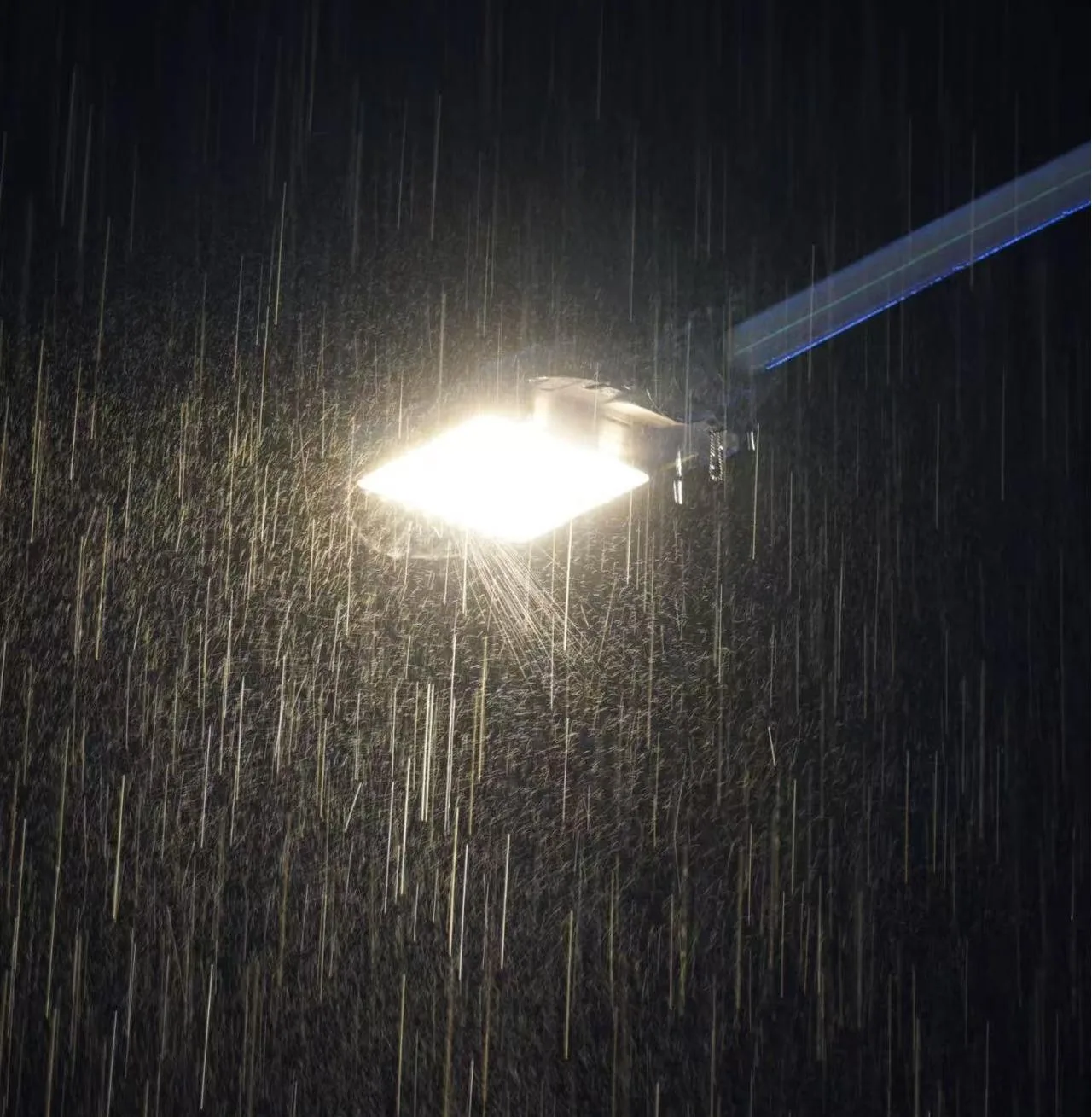
While IP and IK ratings do not directly increase lumen output, they are essential for preserving long-term brightness by protecting the optical and electrical components. Typical outdoor flood light standards include IP65/IP66 for dust and water resistance, IK08 for 5 J impact protection, and IK10 for 20 J impact protection, ensuring that the luminaire maintains consistent performance even under harsh environmental and physical conditions.
Industry Testing Standards That Matter
A reliable 100W LED flood light should be backed by certified test data, including IES LM-79 for accurate photometric performance (lumens, CCT, CRI, beam angle), IES LM-80 for chip-level lumen maintenance, TM-21 for projected L70/L90 life, and DLC, CE, or ENEC for verified product performance and safety. Fixtures lacking proper LM-79/LM-80/TM-21 documentation often overstate lumen output by 20–40%, because real-world brightness depends on LED chip efficacy, driver stability, optical system efficiency, thermal management, and protection ratings. Consequently, a well-engineered 100W flood light with premium components typically delivers 14,000–17,000 true lumens, whereas a low-quality variant may produce only 8,000–11,000 lumens despite the same wattage.
How Bright Is a 100W LED Flood Light Compared to Other Light Sources?
To understand brightness better, compare LEDs with older technologies.
Flood light 100w vs 100w halogen flood light
Halogen flood lights are extremely inefficient compared to modern LED alternatives. A halogen flood light 100w produces only about 1,500 to 2,000 lumens, whereas a 100w led flood light bulb can generate 12,000 to 18,000 lumens—producing 6 to 10 times more light with the same power consumption.
Led flood lamp 100w vs 100w metal halide flood light
Flood light 100 watt led can easily replace a metal halide flood light 250w, which produces around 14,000 lumens, and in some cases even a 300W metal halide, which outputs approximately 18,000 lumens. Unlike metal halides, LEDs maintain their brightness over time, whereas metal halide lamps can lose up to 30% of their lumen output within the first year.
100w led flood vs high pressure sodium flood lights
A 100 watt led flood light bulb can replace a 200–250W high-pressure sodium (HPS) lamp, which produces yellowish light with poor color rendering. LEDs provide higher usable lumens thanks to their superior directional control.
How Much Area Does a 100W Flood Light Cover?
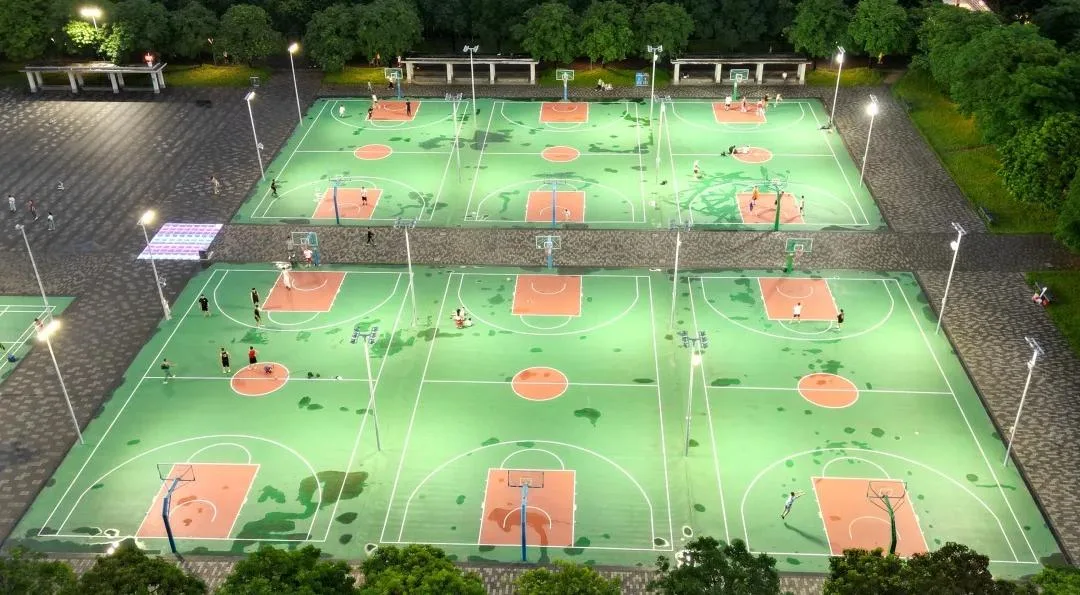
Coverage of led flood light lamps primarily depends on mounting height and beam angle. Narrow beams, such as 30°, are ideal for long-distance illumination, typically reaching 25–30 meters, making them suitable for targeted spot or façade lighting. Medium beams around 60° offer balanced area coverage for pathways or entrances. Wider beams, like 90°, are commonly used for yards and loading docks, while very wide beams of 120° provide general area or security lighting. These guidelines are based on typical LED photometric performance and beam spread calculations, with actual coverage influenced by lamp luminous flux, installation height, and environmental conditions.
Example Coverage Estimates
| Beam Angle | Mounting Height | Recommended Coverage |
| 30° | 8–12 m | 250–350 m² |
| 60° | 6–10 m | 150–250 m² |
| 90° | 5–8 m | 100–180 m² |
| 120° | 3–5 m | 60–100 m² |
These numbers vary depending on reflectivity, surrounding structures, and required lux levels for the area.
Applications Where 100W LED Flood Lights Are Ideal
A flood light 100 watts is highly versatile and ideal for a wide range of applications. It performs well in medium-size warehouses and open indoor areas, while also providing bright illumination for outdoor building façades. These lights are perfect for construction sites and temporary lighting setups, as well as for perimeter and security lighting around commercial or industrial properties. Additionally, they are well-suited for loading docks, logistics zones, small to mid-size parking areas, storage yards, and highlighting commercial signage or billboards. For related solutions, explore our LED flood lights
How to Choose a High-Performance led flood light lamp
Check Lumen Efficacy (130–160 lm/W recommended)
Selecting the right LED flood light involves far more than choosing a wattage. For B2B projects, several technical factors determine long-term performance, safety, and energy efficiency. First, check the lumen efficacy of the fixture—high-quality industrial flood lights typically deliver 130–160 lm/W, allowing facilities to reduce energy consumption and minimize the number of fixtures required.
Verify Photometric & Certification Reports
Next, verify photometric and certification reports. Reliable manufacturers will provide IES LM-79 test files for full luminaire performance, LM-80 and TM-21 data for LED chip lifetime projections, and photometric files compatible with Dialux or AGi32 for lighting simulations. This documentation clearly distinguishes professional-grade suppliers from consumer-level vendors.
Choose the Right Beam Angle
Beam angle selection is equally important. Narrow 30° beams are suitable for long-distance façade or tower illumination, while 60° and 90° beams provide balanced coverage for yards, loading areas, and logistics zones. Wider 120° beams are commonly used for general area lighting or security applications.
Material & Structural Quality
Material and structural quality also affect long-term reliability. Look for die-cast ADC12 aluminum housings, tempered-glass or high-quality PC lenses, and stainless-steel fasteners—components that help maintain stable light output throughout the fixture’s lifespan.
Check IP and IK Ratings
Environmental protection ratings are critical for industrial and outdoor installations. ip65 100w led flood light or 100 w led flood light ip66 ensures dust and water resistance, while IK08 or IK10 impact ratings provide durability in high-risk environments.
CCT Selection
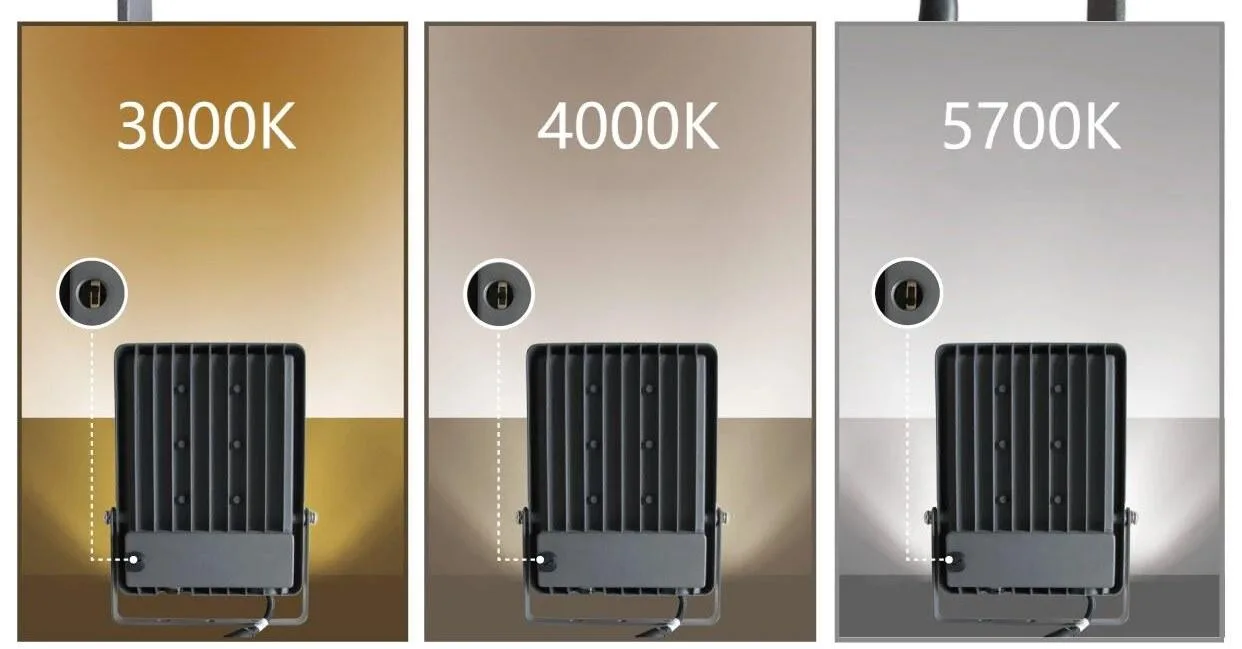
Color temperature selection should match the application: 3000K for warm and architectural lighting, 4000K for balanced commercial spaces, and 5000K–5700K for maximum outdoor visibility and security lighting.
Dimming, Sensor & Control Options
Finally, consider control options that enhance efficiency and automation, such as 0–10V or DALI dimming, photocell sensors, microwave motion sensors, and smart controllers. These advanced features help optimize energy use and extend system performance across a wide range of lighting applications.
Is 100W Enough for Your Project? (Professional Recommendations)
For small yards or façades:
✔ 100W is usually sufficient.
For commercial parking lots or large logistics zones:
✘ 100W may be too small — consider 150W or 200W.
For warehouse interiors:
Mounting height is key:
< 6m — 100W is fine
10m — consider high-bay alternatives
Reference internal links to LED high bay lights and LED street lights when appropriate.
100W LED Flood Light FAQ
Is a 100W LED flood light bright enough?
Yes, for small to medium outdoor areas. For large industrial sites, consider 150–200W.
How many lumens should a good 100W flood light have?
At least 13,000–16,000 lumens for industrial-grade performance.
Can a 100W LED replace a 250W metal halide?
Yes, in most applications—thanks to superior LED optical efficiency.
How long does a 100W LED flood light last?
A well-built model lasts 50,000–100,000 hours depending on chip quality and thermal design.
What affects lumen depreciation?
Heat, poor driver quality, and cheap LEDs are the major causes.
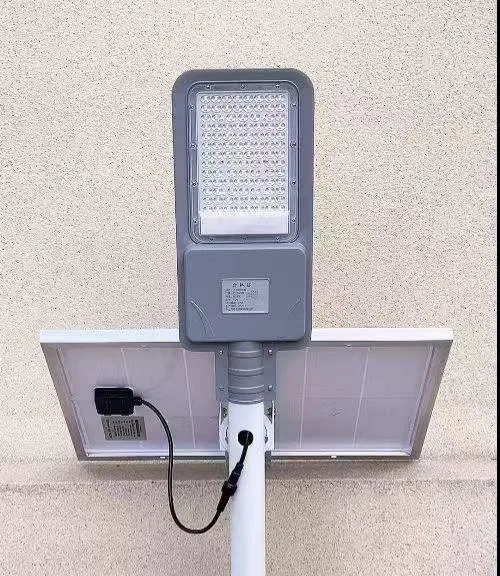
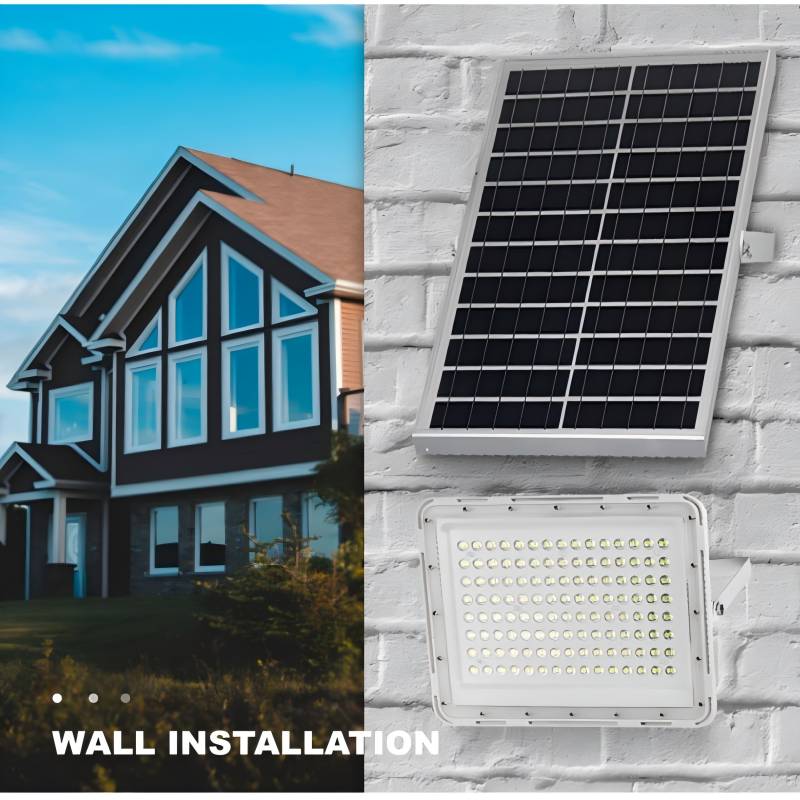
Can 100W flood lights be solar-powered?
Yes—refer to internal link solar LED street light for related systems.
Conclusion: Choosing the Right 100W Flood Light for Professional Projects
A 100 watt led flood light can deliver anywhere from 10,000 to 18,000+ lumens, depending on the quality of chips, drivers, optics, and thermal design. For B2B buyers, these differences define project success—ensuring proper illumination levels, reduced energy consumption, and long-term reliability.
When selecting a flood light, it’s essential to evaluate lumen efficacy, beam angle, IES test data, IP/IK ratings, and the real application needs. A well-engineered 100W LED flood light can effectively replace older 250W metal-halide fixtures, enhance on-site safety, and reduce long-term operational costs, making it a highly efficient choice for modern industrial and commercial projects.