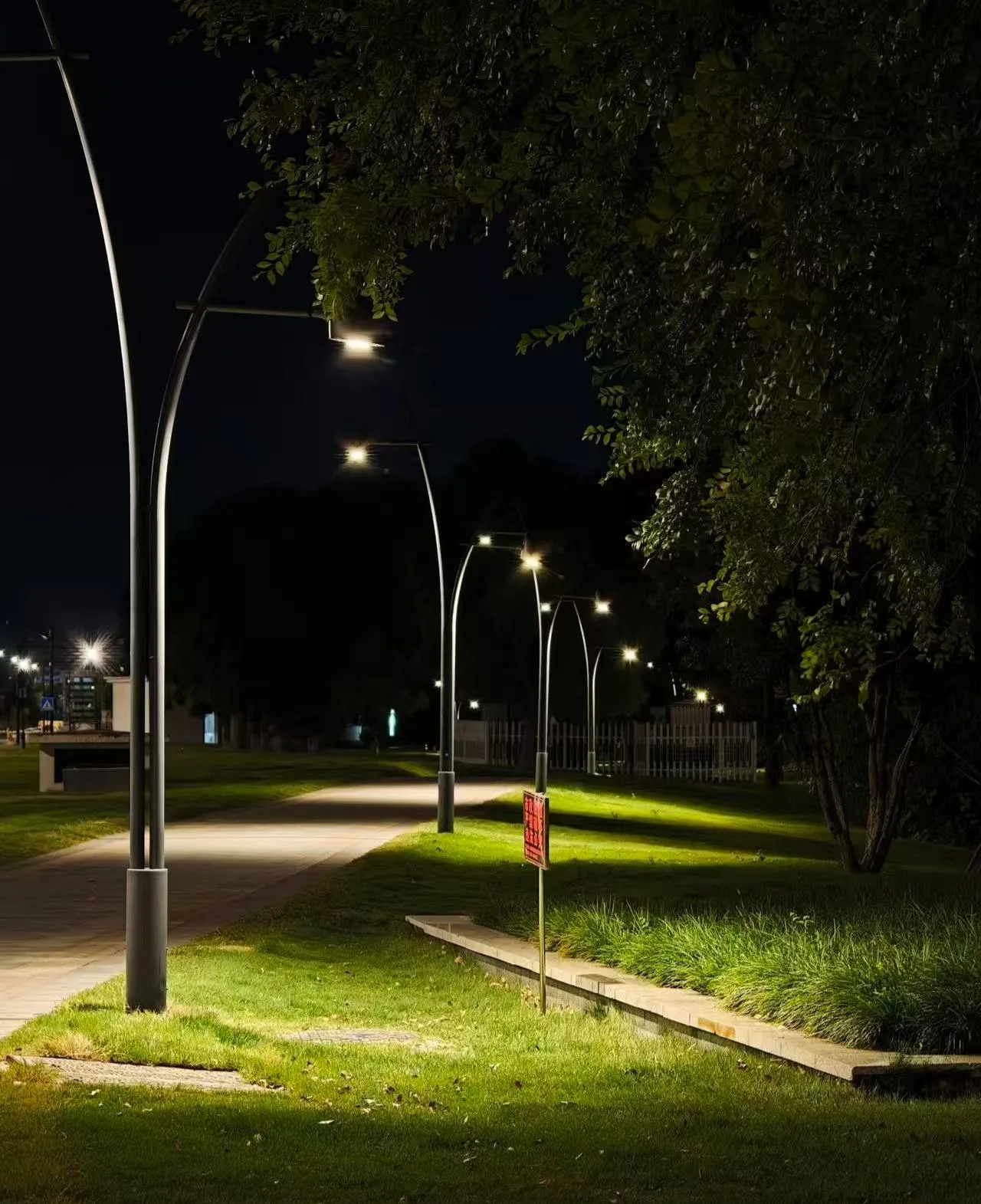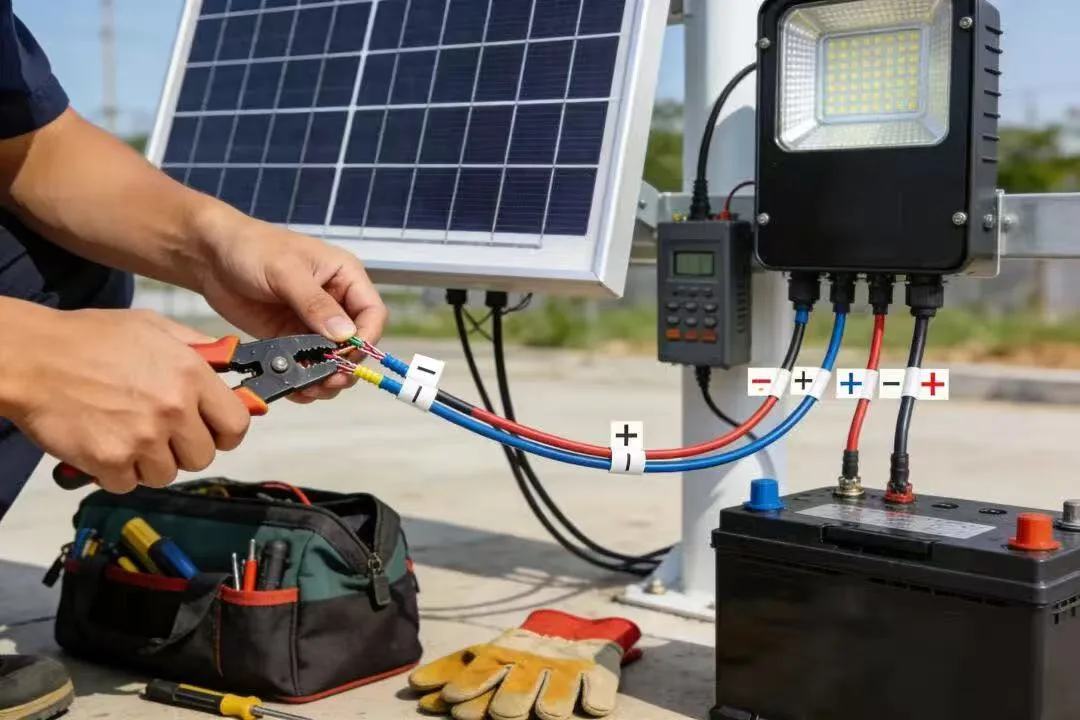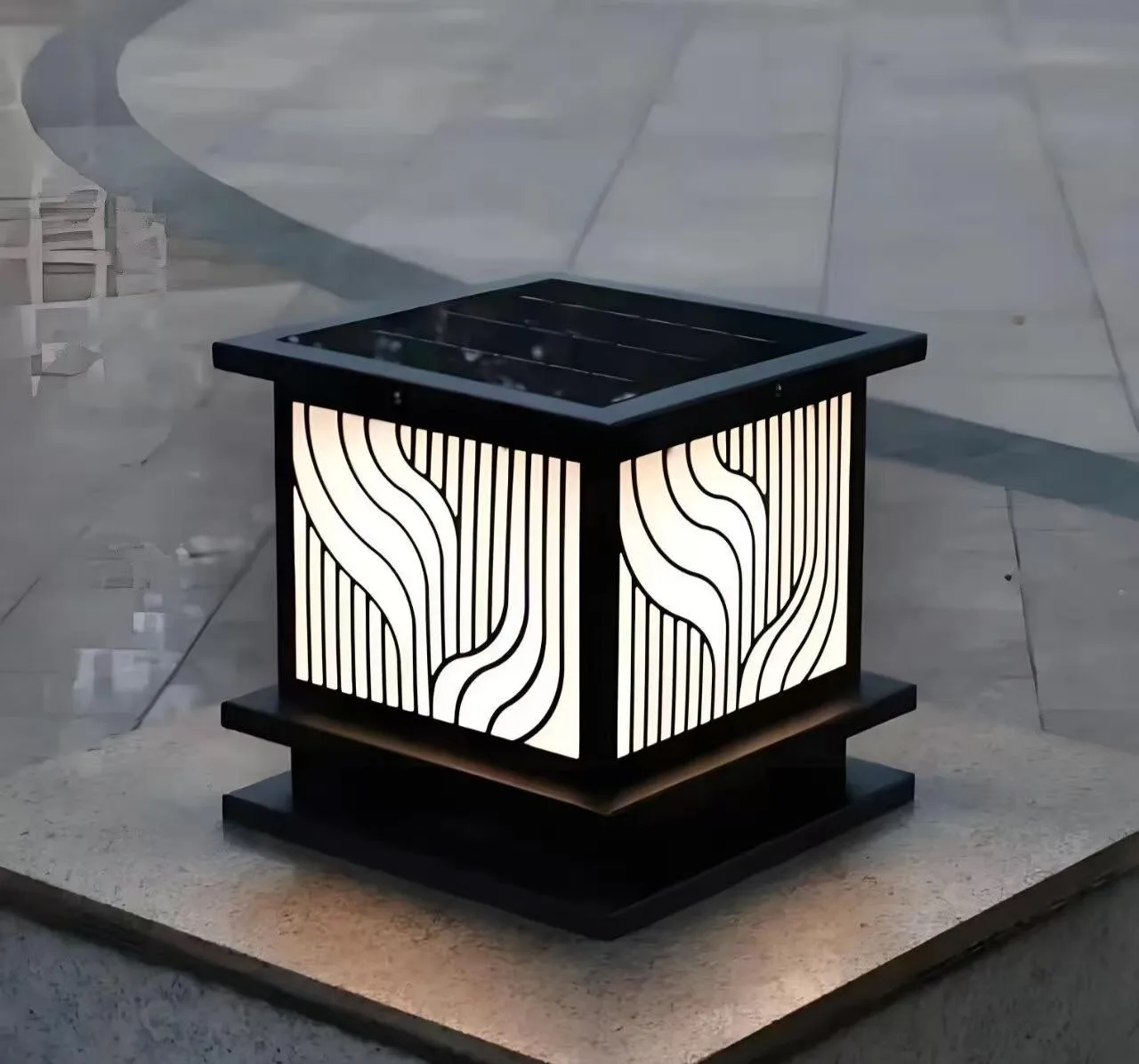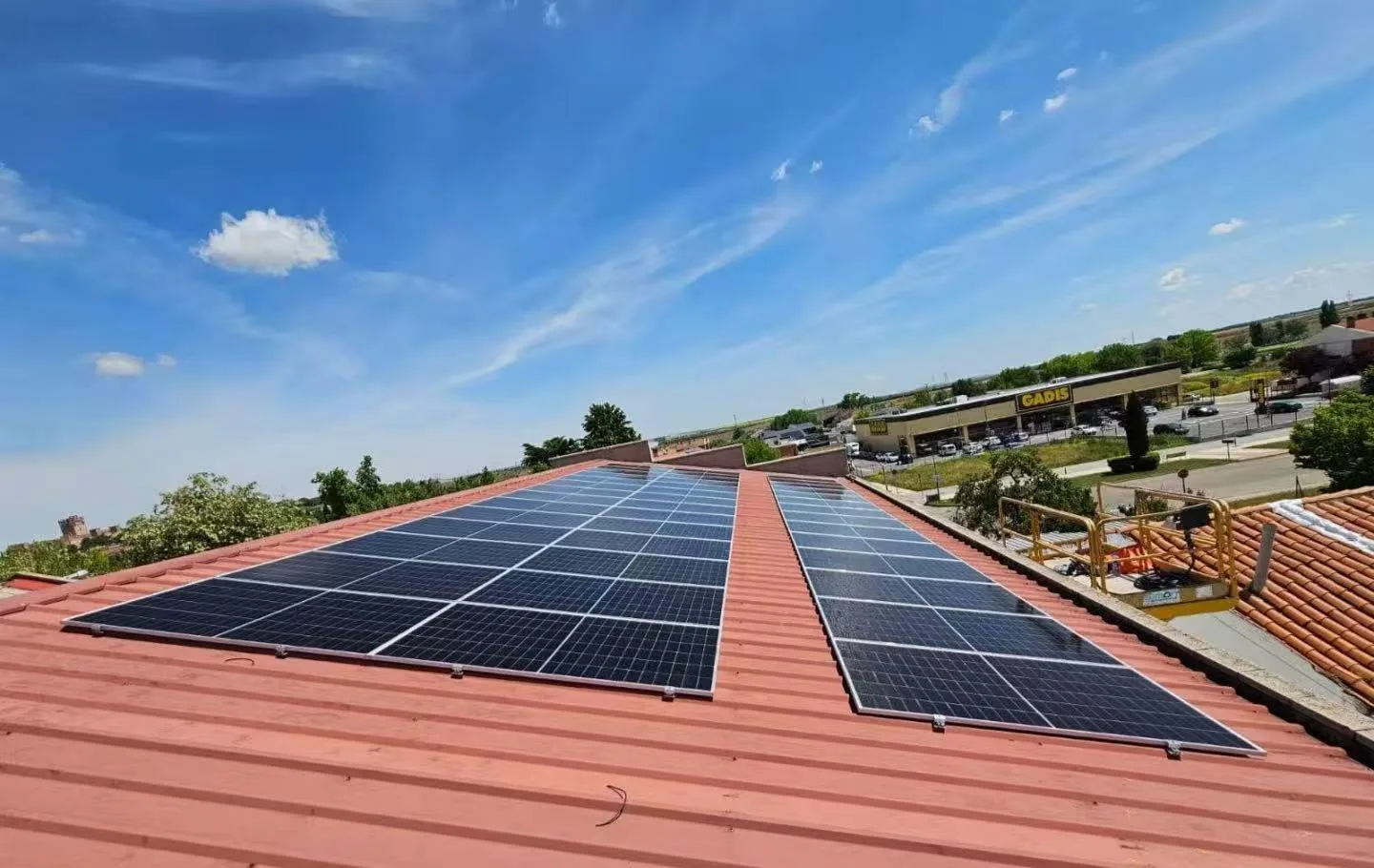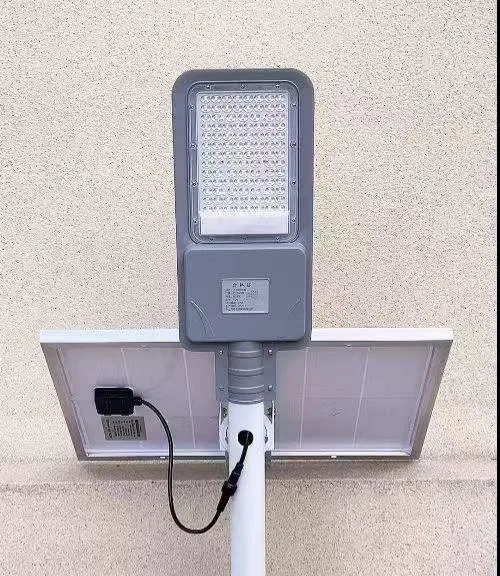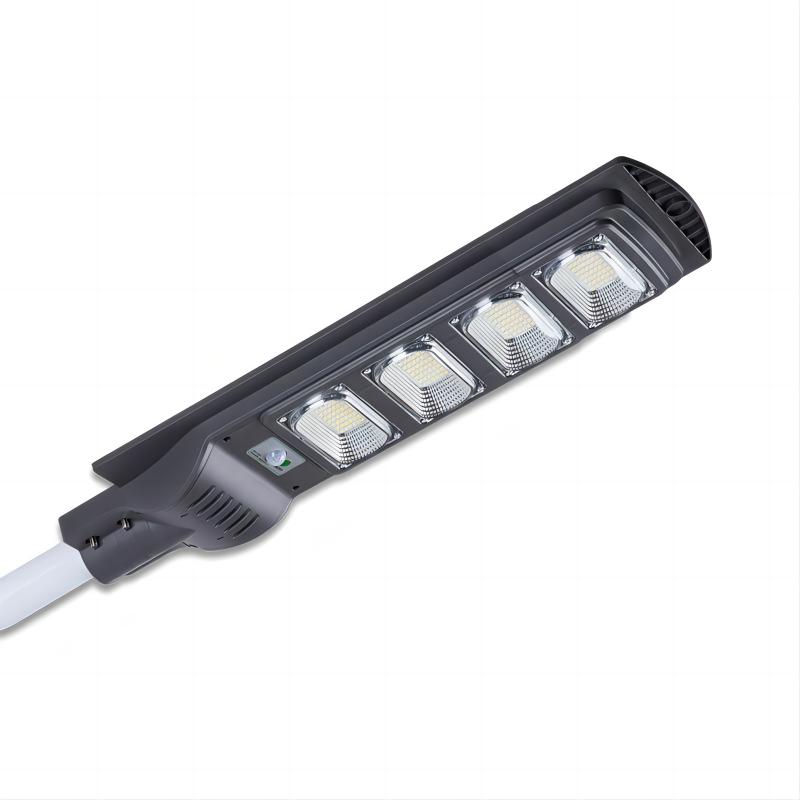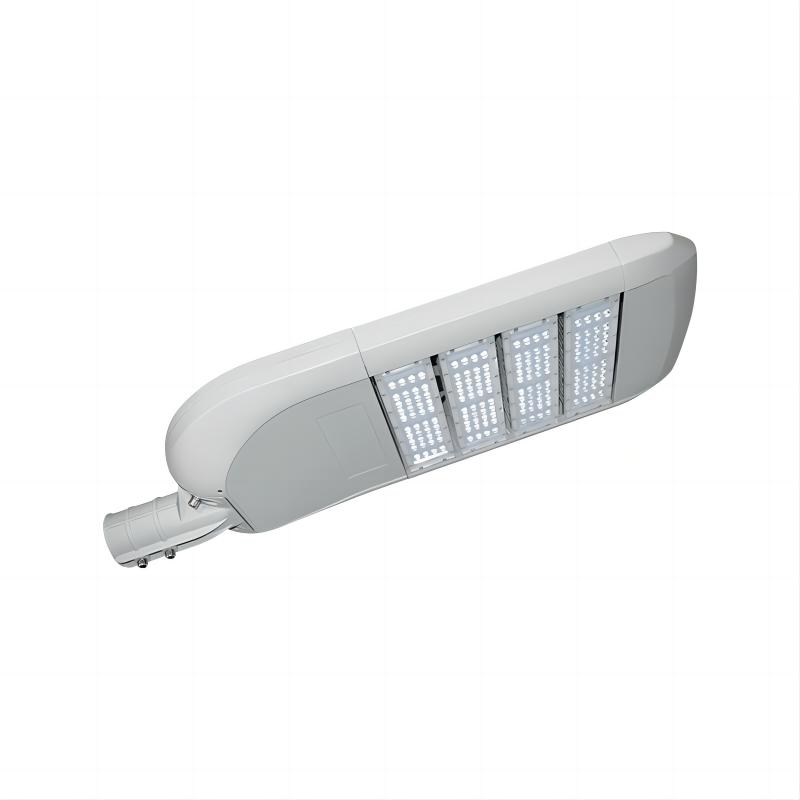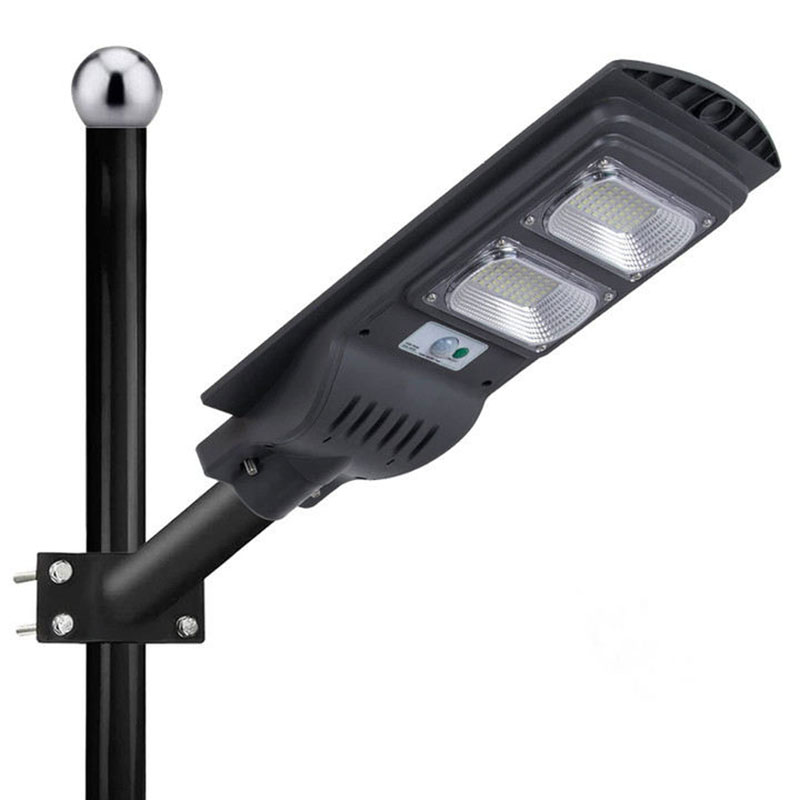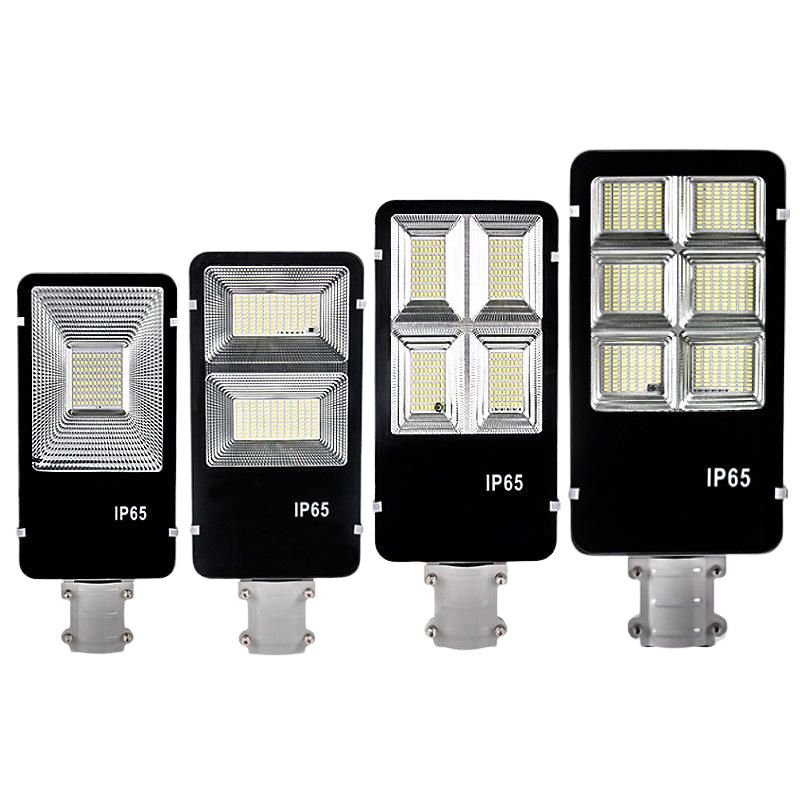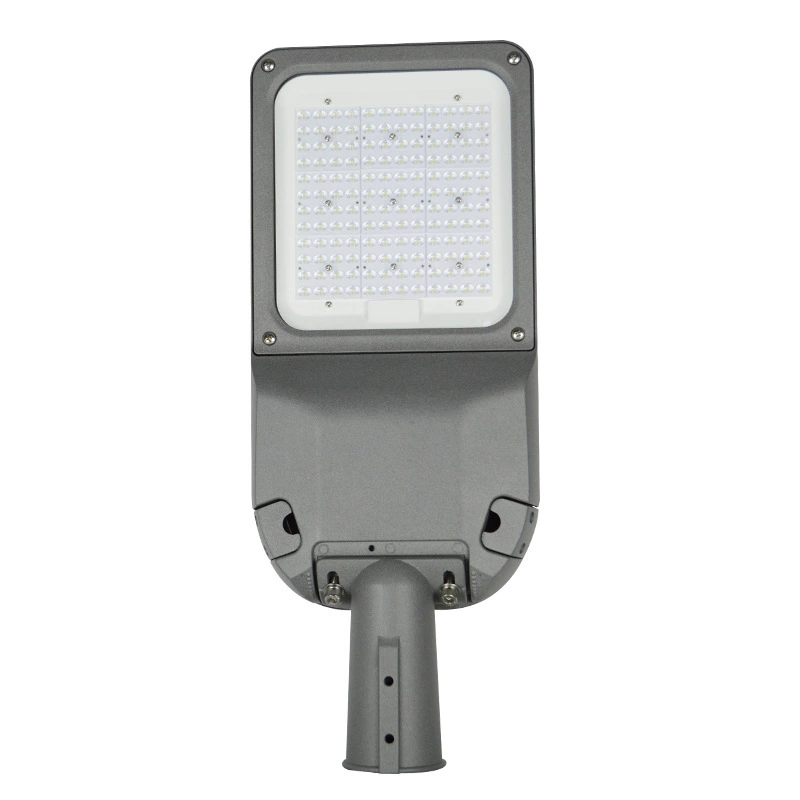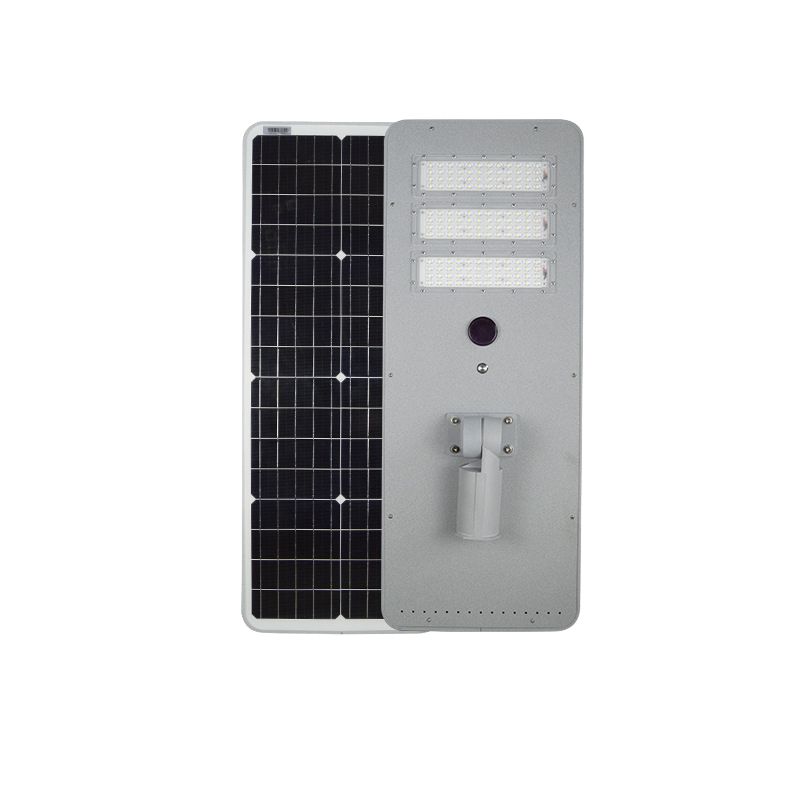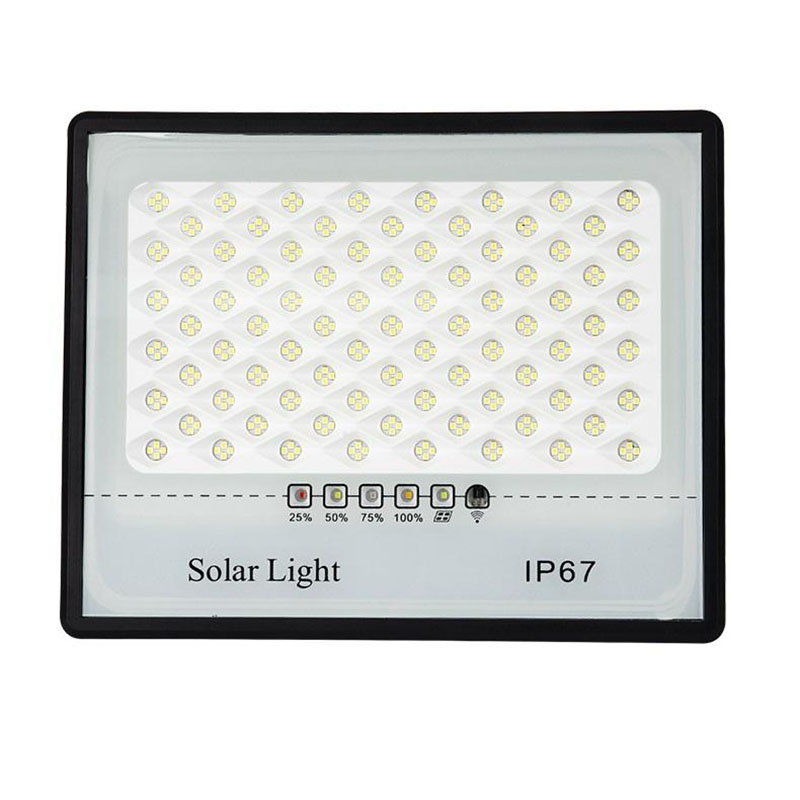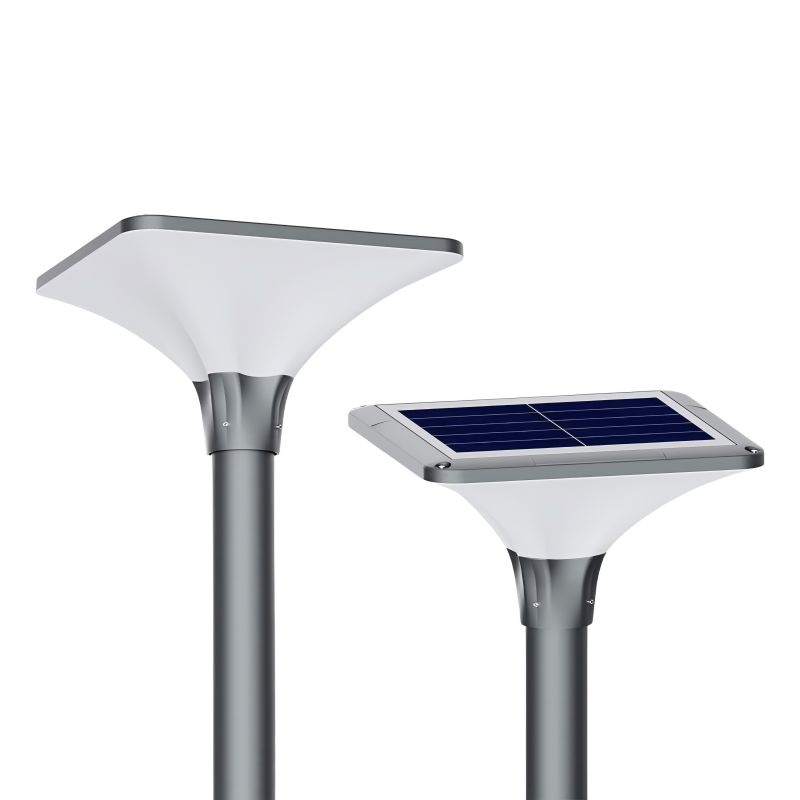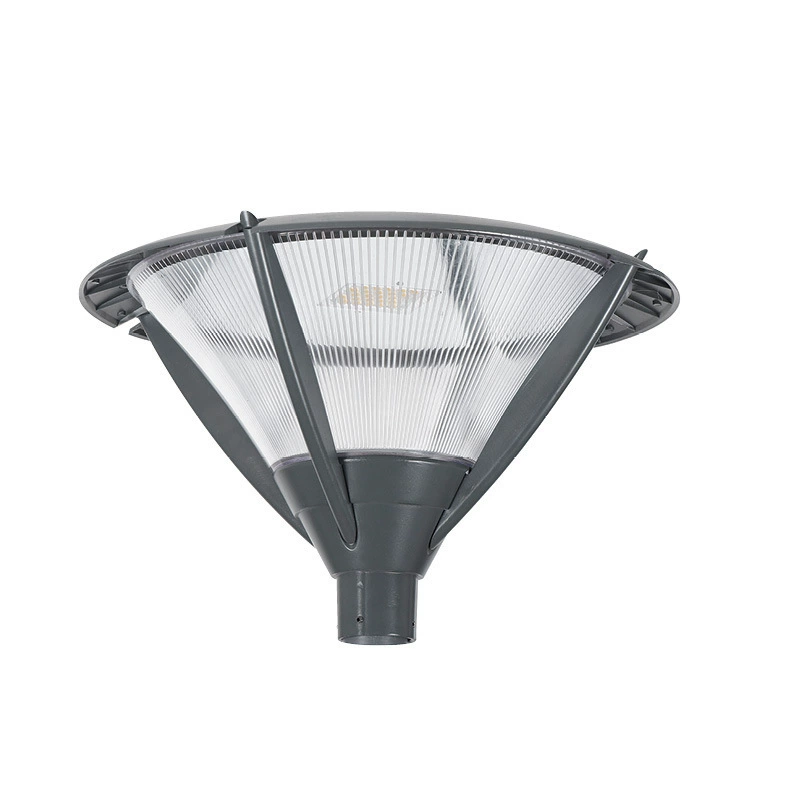
Many listings show huge numbers like 300W, 500W, or even 9000 watt solar street light.
But solar street lights do not work like grid lights. They are a small power system.
So what is the actual power of solar street lights?
In simple terms:
Actual LED power (W) = the real watts the LED uses while it is on
Solar panel power (Wp) = the panel’s peak output in ideal sun
Battery energy (Wh) = how much energy is stored for the night
Real night performance = how long it stays bright, and how bright it is on the road
If you only look at one “watt” number, you can get the wrong product.
This guide explains solar light power in a clear, buyer-friendly way.
Are solar street lights any good?
Many people ask, “are solar street lights any good?” The answer is yes—they can work very well when the system is sized correctly. Solar street lights are a strong choice when you want no trenching and no grid cable, fast installation, steady light in remote areas, and lower running costs. But they can feel disappointing if the battery is too small, the solar panel is too small for your local weather, or the “watt” number is only a marketing label. That is why the actual power matters.
Why “watt” is confusing in solar street lights
On a normal LED street light, wattage is simple: a 100W lamp usually uses about 100W from the grid. But on a solar led street light, “watt” can mean different things, such as the real LED load watts, the solar panel watts (Wp), a model number with no technical meaning, a short peak value only at the start of the night, or just a marketing label. Because of this, two lights with the same claimed watts can perform very differently.
The 4 numbers that define real power
LED load power (W): the real “solar led power”
LED load power is the real solar led power the LED and driver use at night. If a light is truly 60W, it should run close to 60W when the controller allows full output, and it may run lower later if the light dims. This is the most important power number for brightness. Many people also search terms like led light for solar street or led light for solar street light, and in real projects the LED load and the driver current decide the real light output—even for a so-called high power solar street light.
Solar panel power (Wp): “solar street lamp panel”
Solar panel power is usually listed as Wp, which means peak watts. For example, a 100Wp panel means it can reach about 100W in perfect sun. But real daily energy depends on your local sun hours, the season, the panel angle, dust and shading, and temperature. That is why solar panels for street lights must be sized for the worst months, not the best days.
Battery energy (Wh): the real fuel for the night
Battery capacity should be discussed in Wh, because Wh tells you how much energy you have for the night. The math is simple: Wh = Battery Voltage (V) × Battery Capacity (Ah). For example, 12.8V × 30Ah ≈ 384Wh. This number is often more useful than any “watt” label. because it explains how long solar power for lights can last after sunset. It also helps you see why big claims like a 9000 watt solar street light do not match real battery energy on a pole.
Controller rules: why power is not constant
Most solar street lights do not stay at one power level all night. The controller may use a dimming curve (bright early and lower later), a motion sensor boost (higher power when movement is detected), and low-battery protection (reduce power to avoid deep discharge). Because of this, “actual power” is often an average over the night, which is why some buyers say the light is bright at 7 pm but weak at 2 am.
A simple way to estimate real night performance
You can use a basic energy budget to judge real performance, and you do not need complex math. First, estimate LED energy for the night: Night energy (Wh) = Average LED watts (W) × Hours (h). For example, if a light runs 10 hours at an average of 30W, it uses 30W × 10h = 300Wh. Next, estimate usable battery energy, because not all battery energy is usable and there are losses. A safe simple rule is to use about 80% as usable energy (it depends on the design). So a 400Wh battery gives about 400Wh × 0.8 = 320Wh usable. Then compare the two numbers: if the night needs 300Wh and usable is 320Wh, it may work; if the night needs 600Wh and usable is 320Wh, it cannot. This is a key reason many “high power solar street light” claims fail.
Why “9000 watt solar street light” claims are not realistic
Use common sense to check big watt claims. If a light truly used 9000W for 10 hours, the energy would be 9000W × 10h = 90,000Wh (90 kWh). That would require a huge battery bank and a very large solar array to recharge it. A pole-top solar panel with lights cannot support that scale. So when you see 9000 watt solar street light, it is almost always a marketing name, a model code, or a fake claim. The best approach is to ignore the label and check verifiable specs instead.
What specs should you ask for?
If you are buying solar power for street lights (B2B or project use), ask for these items.
Core specs (must-have)
If you are buying solar power for street lights for a B2B project, ask for the core specs first. You should request the LED load watts (W) at full brightness, the lumen output (not just watts), the battery type (LiFePO4 is common in good systems), the battery energy (Wh) and usable depth settings, the solar panel rating (Wp) and panel size, the lighting mode (full power hours plus dim hours), the charging method (MPPT or PWM), the operating temperature range, and the warranty terms, including what is covered.
Helpful proof (strong trust signals)
You should also ask for proof that supports the numbers. Helpful trust signals include real product photos showing the label plate, a battery pack label that shows V and Ah, the controller spec sheet with max current and cut-off rules, and field project references. This is a practical way to validate light solar power claims without guessing.
Watts do not equal brightness on the road
Even when two lights have the same watts, the road can look very different. Brightness depends on the lumens (total light output), the optics (how the light is shaped), pole height, pole spacing, road width, and tilt angle. Two lights can both use 60W, but one may focus the light on the road and give better lux, while the other may waste light into the sky or behind the pole. That is why “actual power” should be linked to lux on the ground, not only watts.
“Solar for street light”: split vs all-in-one power reality
People often search solar for street light because they want a simple answer, so here is the practical view. An all-in-one solar street light has the battery and controller inside the lamp, which makes installation easy, but it often has a smaller battery and a smaller solar panel area, so it is best for small roads and fast projects. A split solar street light has a separate panel, and the battery can be larger (in a box on the pole or underground), which makes it better for long nights and harsh winters, and it is also easier to service in many designs. If your site has long cloudy seasons, split systems often deliver more stable real power.
Common buyer mistakes (and how to avoid them)
Mistake 1: Buying by “watts” only
Many buyers choose a solar for street light by the watt number alone, but that can lead to poor results. A better approach is to buy based on night energy (Wh), lumen output, and the runtime profile (how the light changes over the night).
Mistake 2: Not checking winter performance
Some systems look fine in summer but fail in winter because the sunlight is weaker and days are shorter. especially when the solar street lamp panel (the panel rating and size) is too small for the worst months.To avoid this, ask the supplier to size the system using worst-month sun hours, not the best season.
Mistake 3: Ignoring dimming rules
Solar street lights often use dimming to save battery, so power is not constant all night. Ask for the exact lighting schedule, including full power hours, dim hours, and sensor boost settings, so you know what performance to expect.
Mistake 4: Not matching optics to the road
Even with the right power, a light can perform poorly if the beam does not fit the road layout. Ask for an optic or beam type that matches your road width and pole spacing, so more light lands where you need it.
Quick checklist: how to compare products fairly
When you compare solar street light products, do not compare “marketing watts.” Instead, compare the battery Wh (and the usable setting), the panel Wp and panel size, the average watts over the night based on the lighting profile, the lumen output at full power, the optical distribution (how the light is placed), and the expected runtime in the worst season. This is the right way to compare a “real 80W” product with a “claimed 400W” product.
Recommended way to talk to suppliers
You can copy these questions into your RFQ email to get clear, measurable answers from suppliers. Ask: What is the LED load power (W) at full brightness, and what is the lumen output at that power? What is the battery voltage and Ah (or total Wh)? What is the solar panel Wp and physical size? What is the default dimming profile (hours and %), and what happens when the battery is low? What is the charging controller type (MPPT or PWM)? Can you share real label photos for the battery and panel? What pole height and pole spacing do you recommend for my road? These questions help turn “actual power” into specs you can check and compare.
FAQ
Are solar street lights any good?
Yes, if the panel and battery match your night length and weather, and the LED power is real and verified.
What does “solar light power” really mean?
It can mean LED watts, panel watts, or battery energy. For real performance, focus on LED load watts (W) and battery Wh.
Is a “9000 watt solar street light” real?
In most cases, no. It is usually a marketing label. Check battery Wh, panel Wp, and LED watts instead.
How do I choose solar panel with lights for street lights?
Size the panel for your worst month sun hours, not summer. Ask for Wp and panel size, and check shading risk.
What is “solar street lamp panel” in listings?
It usually means the solar panel used with the lamp. Look for Wp, size, and real daily energy, not only a big number.
What is the difference between solar power for lights and solar led power for street lights?
Street lights must run long hours and meet road safety needs. That means stricter energy sizing and better optics.
I searched “hous solar led street light”—what should I check for home use?
For a home solar led street light, focus on runtime, motion sensor mode, battery Wh, and glare control so it is bright but not harsh.
Key takeaway
The “actual power of solar street lights” is not a single number, because a solar street light is a complete system. Real performance comes from LED watts you can verify, a battery Wh that can support the whole night, a panel Wp that can recharge the system even in your worst season, a controller profile that matches how you use the light, and optics that place the light on the road where it is needed.