How Do garden solar lights Work?
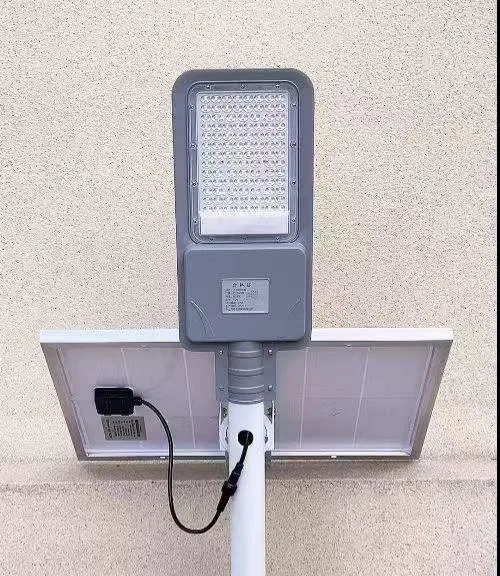
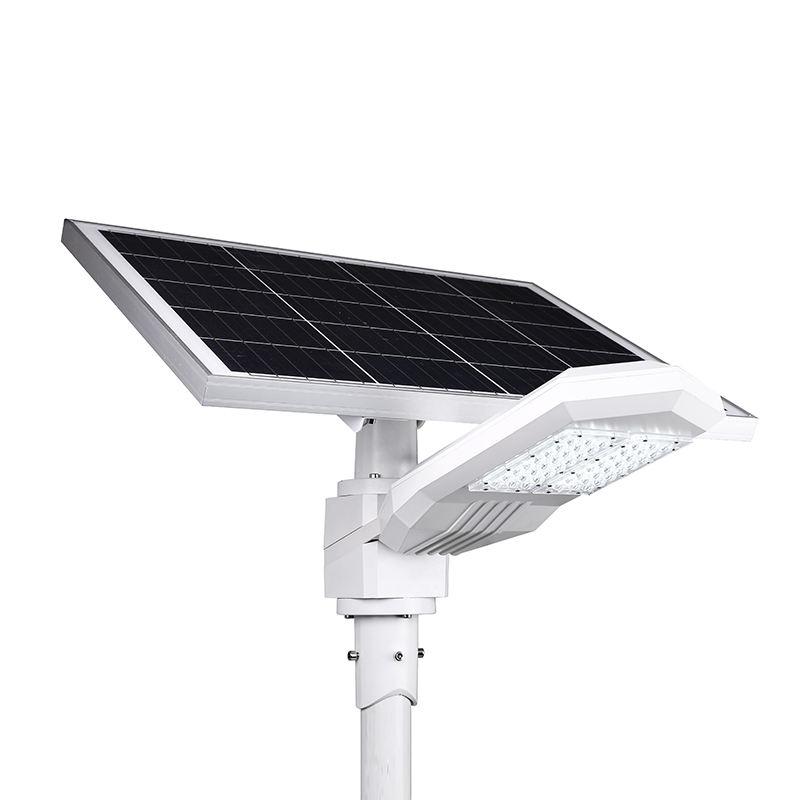
Before we dive into the reasons why solar garden lights string fail, it’s essential to understand how they work. solar lights garden string,as well as other solar-powered outdoor lighting options like solar powered flag lights, changing color solar lights, and solar powered flood lights, are powered by the sun. Here’s the basic process:
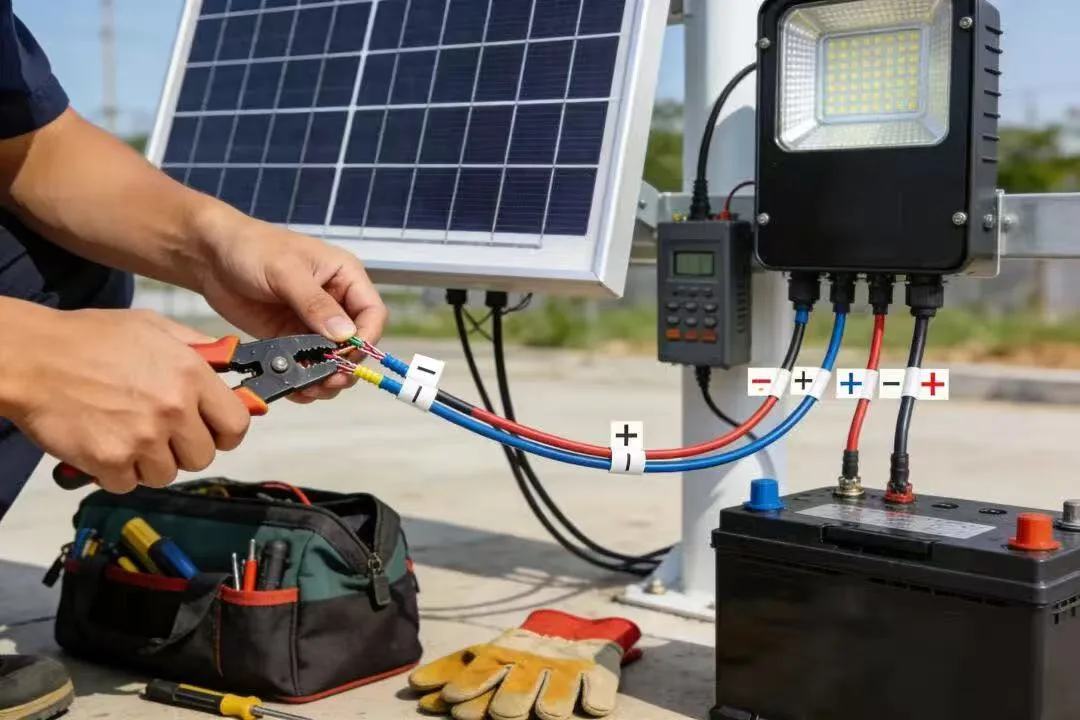
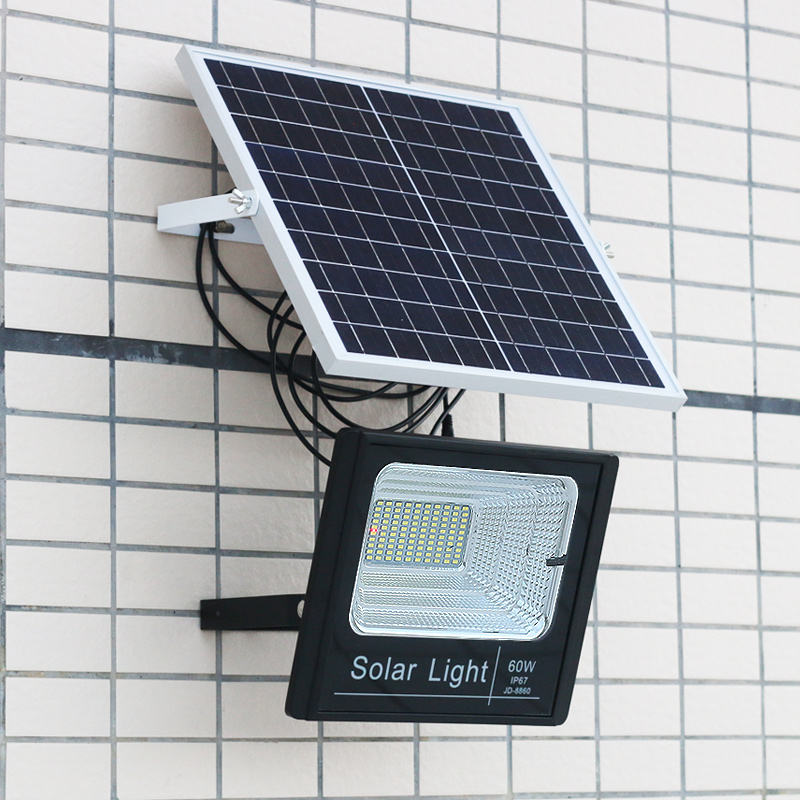
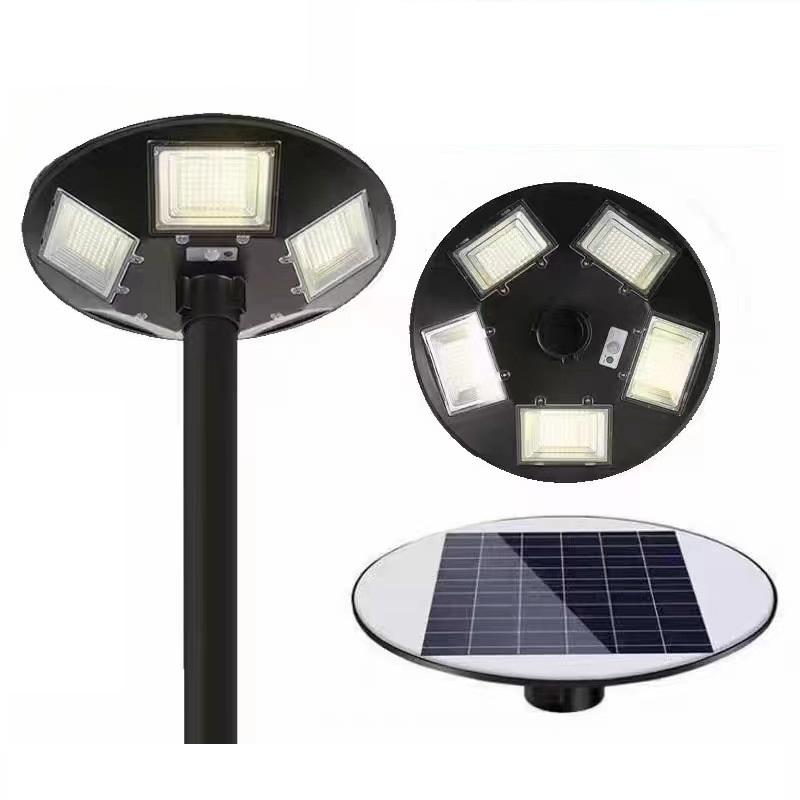
Solar Panel: The solar panel collects sunlight and converts it into electrical energy.
Battery: The electrical energy is stored in a rechargeable battery.
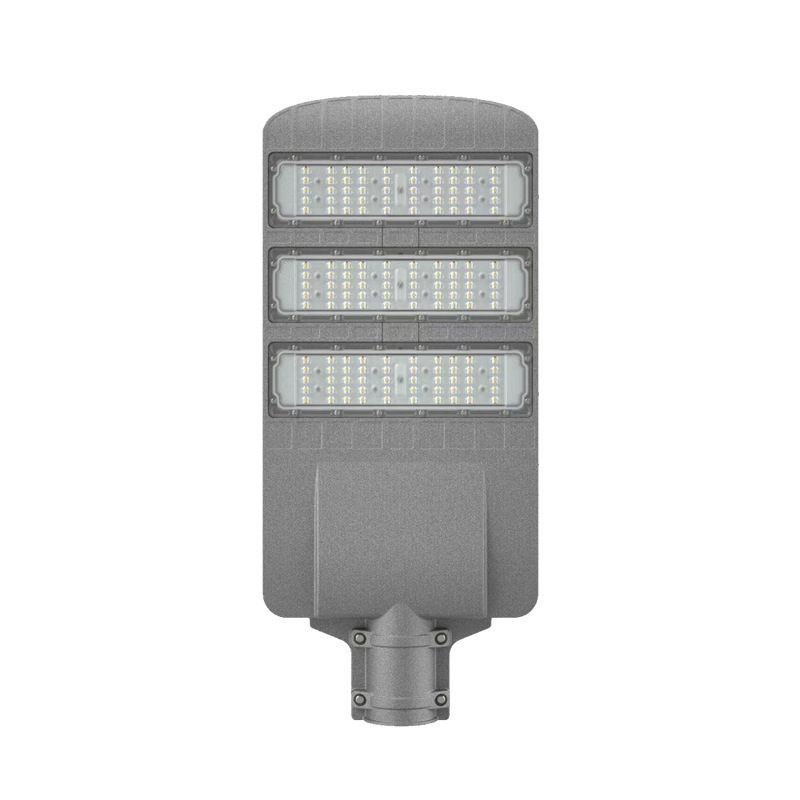
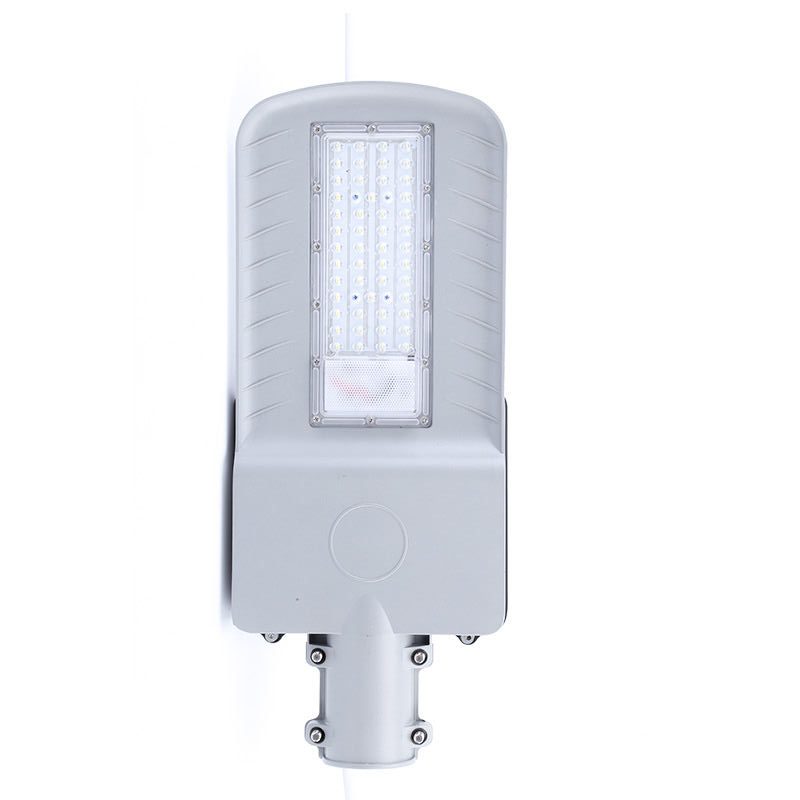
LED Light: At night, the stored energy powers the LED light to illuminate your garden.
Casing: The casing protects the internal components from weather conditions and physical damage.
This simple system saves energy and is eco-friendly, but it’s not without its challenges. Let’s look at the main factors that impact the lifespan of your solar lights.
Factors Affecting Solar Garden Light Longevity
Battery Quality: The Heart of Solar Light Longevity
The battery plays a crucial role in determining the longevity of garden lights outdoor solar. including popular options like solar powered globe string lights,and string solar lights outdoor.Poor-quality batteries degrade quickly, leading to diminished performance. For instance, NiMH AAA batteries (800mAh) typically show a 40-50% capacity loss after just 300 charge cycles. In contrast, lithium-ion batteries (1000mAh) can retain around 70-80% of their capacity after 1000 cycles, significantly extending the lights’ useful lifespan. (Source: Battery University, Battery Lifecycle Test Report)
How to Improve It:
Choose High-Quality Batteries: Opt for Li-ion or high-capacity NiMH batteries. These are more efficient and durable than traditional alkaline batteries. They also charge faster and last longer, which means your lights, including solar lamp with battery, will shine brighter and longer through the night.Whether you’re using battery solar garden lights, choosing the right battery ensures that they perform at their best.
Regular Battery Replacement: Even high-quality batteries will lose some capacity over time. It’s a good idea to replace the solar outdoor battery annually to maintain peak performance and ensure your solar lights continue to function as intended.
Inadequate Sunlight Exposure
Outdoor garden lights solar powered rely on converting sunlight into electrical energy through photovoltaic cells. For most consumer grade solar lights,such as solar powered outdoor spot lights, solar motion LED outdoor lights, and solar powered light rope, 6–8 hours of direct sunlight per day is generally needed to fully charge the battery and achieve a full night of illumination. Light exposure under partial or heavy shade can reduce daily charging input by 40–75% or more, which directly reduces run time and brightness at night.
For example, a typical 0.25 W solar panel (rated at ~100 mA and 2.5 V) exposed to full midday sun may generate enough energy to power the light for 8–10 hours. If the same panel is shaded by trees or buildings, output can drop below 30–50 mA, yielding only 3–4 hours of usable light.This can affect lights such as fence posts solar lights, solar light crackle balls, and solar lights lanterns.(Data based on average solar irradiance curves and panel performance curves from manufacturer datasheets.)
How to Improve It:
Position for Maximum Sunlight: Install lights like playhouse solar lights, mini solar string lights outdoor, and solar power step lights in spots in spots that receive direct sunlight for most of the day — ideally unshaded from 10 am to 4 pm during peak sun. Trees, fences, and structures cast shadows that reduce charging input.
Adjust the Panel Angle Seasonally: Solar panels perform best when perpendicular to sun rays. In summer, a lower angle (~20–30°) captures more midday sun; in winter, a higher tilt (~45–60°) helps capture low angle sunlight. Aligning panels to the sun’s path can increase energy capture by 10–30%. (See typical sun angle charts for your latitude.)
Weather Vulnerability
solar lights outdoor, such as solar outdoor flood light and solar lights for yard nearby, are designed to withstand various weather conditions. However, not all models are equally robust under harsh weather conditions.
For example, rechargeable solar garden lights such as NiMH exhibit capacity loss above ~45 °C and reduced performance below 0 °C, which can shorten battery life and reduce runtime in extreme heat or cold. Likewise, exposure to heavy rain and humidity without adequate sealing can allow moisture ingress, leading to corrosion or electrical faults.
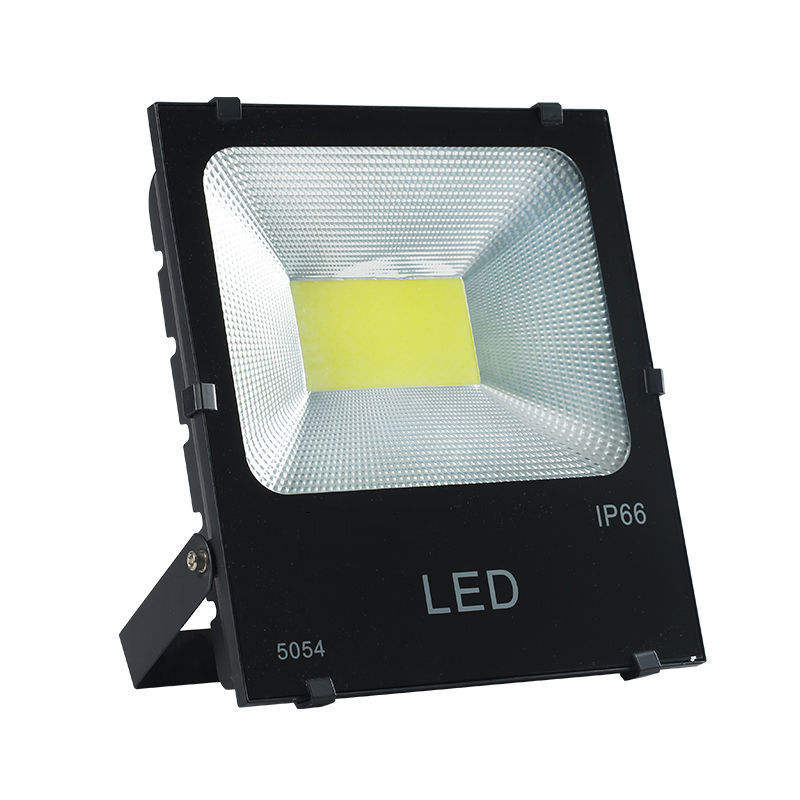
One key specification to evaluate when selecting lights such as solar dusk to dawn lights or LED landscape lights solar is the Ingress Protection (IP) rating, defined by the IEC 60529 standard. An IP65 rating means the light is dust tight and can withstand water jets from any direction — suitable for most rain exposed gardens. Higher ratings such as IP66 or IP67 provide even greater protection against pressure water jets or temporary submersion.
How to Improve It:
Choose weather resistant lights with a high IP rating (IP65 or above). Verify the rating in the product datasheet. High rating models have better seals around panels, batteries, and junctions to reduce water and dust ingress.
Protect during extreme weather: In climates with heavy snow, frequent freezes, or prolonged downpours, consider removing lights during off season periods or using protective housings to prevent damage to sensitive components.
Common Issues with Solar Lights’ Performance
Dim Light Output
Over time, solar lights , such as solar yard light pole, solar overhead lights, and solar garden flower lights,often become dimmer, especially if the battery has degraded or if dirt has built up on the solar panels. If the panels are covered in dust or dirt, they won’t be able to absorb enough sunlight to charge the batteries properly.
How to Improve It:
Clean the solar panels: Regularly clean your solar panels with a soft cloth and mild soap to remove dirt, dust, and debris. This ensures they can absorb sunlight efficiently.especially for outdoor solar lights clearance models or outdoor unique solar lights that might be neglected.
Check the battery: If the light output is still low after cleaning the panels, it may be time to replace the battery. This is especially true for lights like solar lights for camper setups, rustic outdoor solar lights, outdoor house solar lights, and metal solar lanterns that need reliable charging and power.
Short Runtime
Many solar lights don’t last the entire night, particularly in the winter when there is less sunlight during the day. This can be due to the lights not charging enough during the day or the battery being of poor quality.
How to Improve It:
Use higher-capacity batteries: If you want your lights to last longer, invest in lights with batteries that have a higher capacity. This will allow them to store more energy and last longer at night.
Ensure full sunlight exposure: Make sure the solar panel gets plenty of sunlight throughout the day, especially during shorter winter days.
Maximizing the Lifespan of solar garden lights
Regular Maintenance
Like any other outdoor product, solar lights need regular maintenance to ensure they continue to perform well. This includes cleaning the solar panels, checking the battery, and replacing components as needed.
Maintenance Tips:
Clean the solar panels every month to ensure they absorb as much sunlight as possible.
Check the connections and wiring for any damage.
Replace the battery for solar powered lights at the start of each season, particularly in the spring when you begin using your lights more often.
Proper Placement
Where you place your solar for lights plays a huge role in how well they work. Lights placed in shady areas or near obstructions won’t be able to charge fully, while those in direct sunlight will have longer run times.
Placement Tips:
Place your lights in an area that gets direct sunlight for most of the day.
Make sure there are no tall plants, trees, or other structures blocking the light from hitting the solar panel.
Protecting from Harsh Weather
Extreme temperatures, heavy rain, or snow can damage your solar lights. Even if your lights are rated for outdoor use, it’s always a good idea to protect them during extreme weather.
How to Protect Solar Lights:
Store the lights in a dry, safe place during the off-season to prevent corrosion or damage.
Consider using protective covers to shield the lights from rain or snow.
If possible, move the lights to a more sheltered area during harsh weather.
Choosing the high quality garden solar lights
Quality vs. Price
When it comes to led solar powered garden lights, quality matters more than price. While cheap solar lights may seem appealing, they often don’t last as long and have lower-quality components, like poor batteries and dim LEDs. Investing in higher-quality lights will save you money in the long run by reducing the frequency of replacements.
What to Look For:
Durable casing: Look for lights with strong, weather-resistant materials like aluminum or stainless steel.
High-capacity batteries: Choose lights with long-lasting, high-capacity batteries such as lithium-ion or NiMH batteries.
Efficient solar panels: Check that the solar panels have a high-efficiency rating for better charging.
Features to Consider
Some solar lights come with extra features that can improve performance and lifespan. For example, lights with adjustable solar panels can be repositioned for optimal sunlight exposure.
Useful Features:
Adjustable solar panels: These allow you to position the panel for maximum sunlight exposure, which can improve charging efficiency.
High-lumen LEDs: These provide brighter lighting, so your garden will look more beautiful and be better illuminated at night.
Motion sensors: These lights turn on only when they detect movement, which can help preserve battery life.
Conclusion
led garden lights solar powered can be a fantastic, eco-friendly way to illuminate your outdoor spaces. However, to ensure they last long and continue to perform well, you need to consider factors like battery quality, sunlight exposure, and proper maintenance. By following the tips in this guide, you can maximize the lifespan of your solar garden lights, enjoy bright, efficient lighting all year long, and make informed decisions when choosing the right lights for your garden.
Take Action:
Now that you understand what affects solar light longevity, take the time to select high-quality products, maintain them regularly, and place them in optimal locations. With the right care, your solar lights will continue to shine brightly, providing you with beautiful, sustainable outdoor lighting for many years.
FAQ
How long do solar garden lights last?
The lifespan of solar garden lights typically depends on the quality of the battery, solar panel, and environmental conditions. On average, high-quality solar lights can last 2 to 3 years with proper maintenance, while cheaper models may only last a year or less.
Why are my solar garden lights dim?
Dim solar lights are often the result of poor battery performance or dirt buildup on the solar panels. Clean the panels regularly, and if the light still seems dim, consider replacing the battery.
How can I improve the performance of my solar lights?
To improve performance, place your solar lights in areas that receive full sunlight for most of the day, especially from 10 am to 4 pm. Also, ensure that the solar panel is clean and the battery is replaced annually for optimal energy storage.
What is the IP rating, and why is it important for solar lights?
The IP rating (Ingress Protection rating) indicates how resistant a product is to water and dust. A rating of IP65 or higher means that the lights can withstand water jets and are protected from dust, making them suitable for outdoor use in harsh weather conditions.
How do I maintain my solar garden lights?
Regular maintenance includes cleaning the solar panels every month, checking the wiring for damage, and replacing the batteries at the start of each season. Additionally, store lights in a safe, dry place during extreme weather conditions.
Get the Best Out of Your Solar Garden Lights!
Now that you know how to maximize the lifespan and performance of your solar garden lights, it’s time to take action. Make informed decisions when choosing high-quality solar lights, and ensure they are properly maintained. If you’re looking for durable and long-lasting solar garden lights, check out our collection of premium models designed to withstand all weather conditions and provide bright, reliable lighting for your garden.
Shop Now and Enjoy Sustainable, Bright Lighting for Years!