Why Amber Light Matters at Night
At night, light does more than help people see. It changes how a place feels. A street can feel warm and welcoming, or it can feel harsh and cold. A park path can feel calm, or it can feel unsafe and exposed. For many outdoor projects, the goal is not “as bright as possible.” The goal is the right light in the right place, for the right time.
This is where amber led lighting becomes useful. amber led light is a warm yellow-orange glow. It can make outdoor spaces look classic and calm. It can also reduce some common problems that come with strong white lighting, such as glare and light spill. When the design is done well, amber lighting can be part of a plan that is kinder to wildlife that lives and moves after dark.
Most projects use amber color led lights for two main goals:
Create a nostalgic look (a soft, old-time glow)
Reduce harm to wildlife (when the lighting is designed well)
These two goals often match the same kind of places. A heritage street wants a classic look and also wants fewer complaints from residents. A waterfront walk wants a calm mood and also needs to protect nature. A resort wants soft light for guests and also wants a quiet night environment. so amber lights, outdoor amber lights, and even orange led outdoor lights are often chosen to create a warm orange light.
Amber LED lights can support these goals, but they are not a “magic fix.” Even with the right light amber color, a fixture can still cause trouble If a light is too bright, points upward, or shines into trees, water, or windows, it can still cause problems even if it is amber. This is why good results come from a full system approach: color, optics, aiming, and controls.
In this guide, you will learn what is amber light, why it looks “old-time,” and why it can help wildlife in many cases. You will also learn the most important design idea in this topic: aim and control beat color alone. We will then move into practical choices, such as true amber vs amber-like warm white, and where each one makes sense.
Now, before we talk about design and wildlife, we need to define the two key terms clearly: “nostalgic landscapes” and “amber light.”
What Nostalgic Landscapes and amber light meaning
A “nostalgic landscape” is a place that wants a warm, historic feeling at night. The lighting is not only functional. It is part of the identity of the site. People should feel a sense of comfort and character when they walk through it.
Common nostalgic landscape examples include:
Old town streets and heritage districts
Parks with stone paths, classic signs, and old trees
Small plazas, gardens, and waterfront walks
Hotels, resorts, museums, and cultural sites
Town centers that want a “golden” night scene
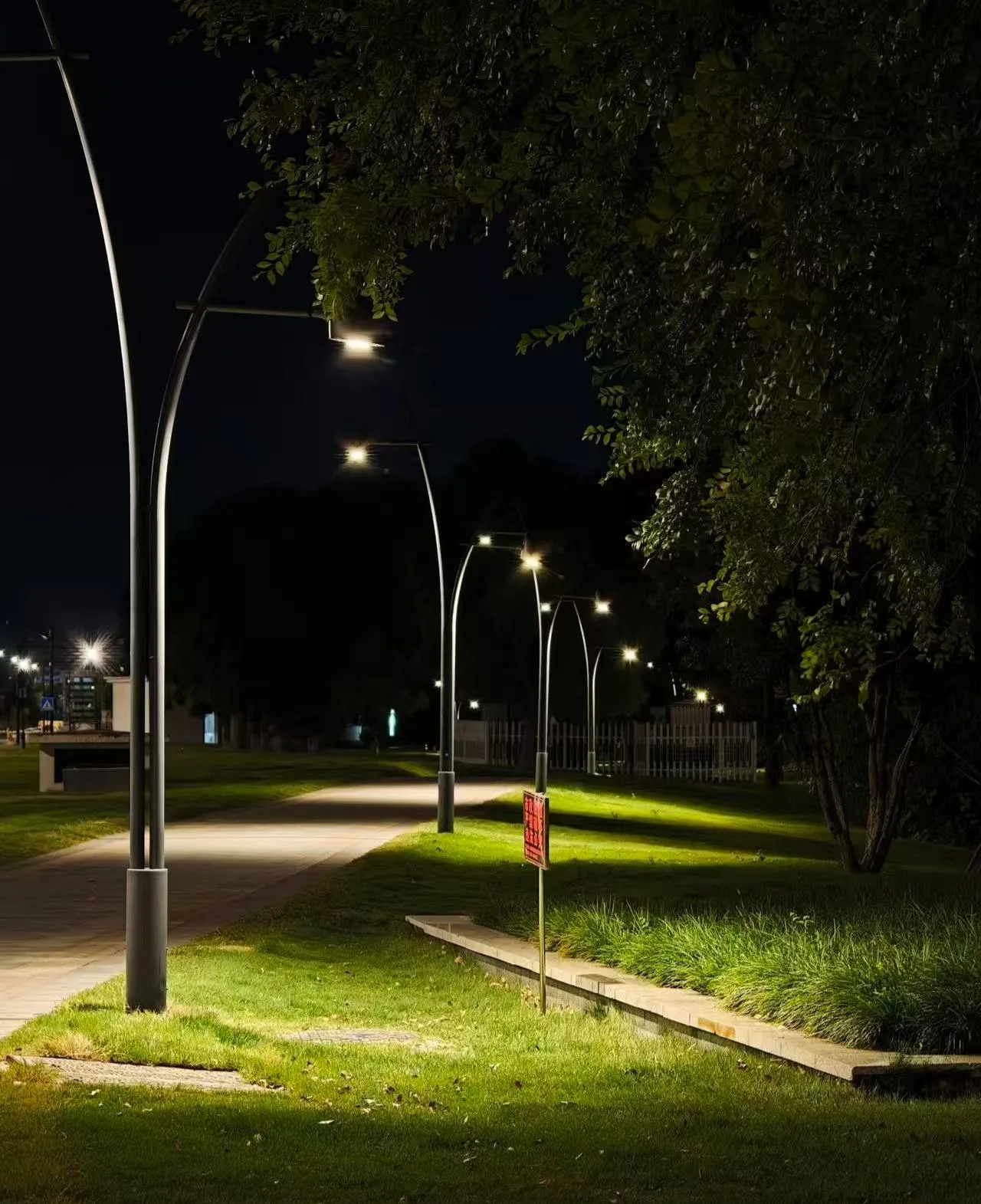
In these places, lighting is often close to the human eye. People are walking, talking, taking photos, and looking at buildings. For this reason, glare control matters as much as brightness. The scene should feel soft and stable. It should not feel like a stadium.
Next, we need to define “amber light” in simple terms. Amber light looks yellow orange light. It sits between yellow and orange. People often ask two basic questions:
What color is amber light?
It is a warm yellow-orange glow.
is amber yellow or orange?
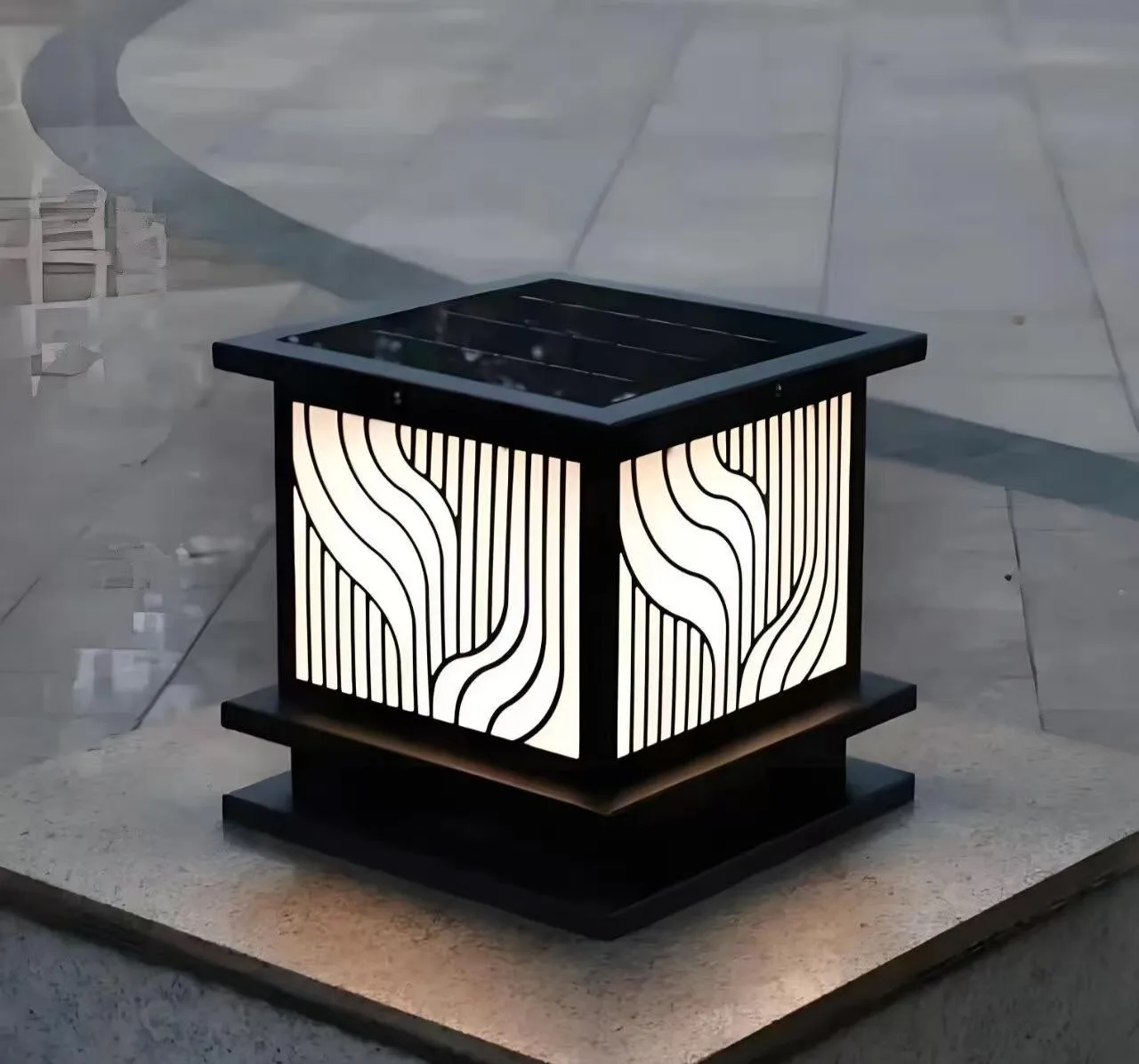
It is between them. It can look a bit more yellow or a bit more orange based on the lamp.This may sound simple, but in real projects, there is a key detail: some products are called “amber” because they look amber, while others are amber because of how they are made. That difference can matter for wildlife goals, and it can matter for local rules in some areas. For example, amber led car lights or amber light bulbs outdoor might not offer the same performance or light content as true amber lights. Amber bug lights are designed to reduce insect attraction, while amber outdoor lights can serve heritage areas with a softer glow.
In other words, the label on the box is not always enough. A buyer may see “amber” on two different products, but the real light behavior can be different. For nostalgic design, the “look” may be the first concern. with orange lights, vintage orange floor lamp, and twinkling orange lights providing a classic, warm glow.For wildlife protection, the light content and control plan can become more important.
With these definitions in place, we can now explain why amber light feels “old-time” and why it is often chosen for heritage and classic outdoor spaces.
How Amber LEDs Create an Old-Time Look
Many older lighting sources had a warm glow. People often remember the soft light of classic lanterns and older street lamps. That warm tone is part of what makes a place feel historic at night. Amber LED lighting can recreate this feeling while using modern LED systems.
amber color light can make common outdoor materials look richer and warmer, such as:
Brick walls and red stone
Cobble roads and concrete paths
Wood benches and warm metal surfaces
Trees, plants, and garden features
Historic building fronts and signs
This matters because nostalgic landscapes are often built from these materials. When the light is too cool or too “white,” the surface color can look flat. The place can feel modern in a way that does not match the architecture. Amber light brings back the warm, classic mood.
Amber lighting also often feels:
Softer
Less harsh
More relaxing
More “classic”
This is one reason why heritage districts often prefer warm tones. But there is another important reason: glare complaints. Many complaints about outdoor lighting are not only about light level. They are about discomfort. A bright source that is visible to the eye can feel “too strong,” even if the ground is not well lit. A warm amber glow often feels less sharp than cool white light. That can support comfort in pedestrian spaces.
Still, it is important to be honest and precise: amber light color alone does not guarantee low glare. Glare depends on optics, shielding, mounting height, and the angle at which people see the light source. A bad fixture can still cause glare, even if the light is amber. The best approach is to pair amber color with a fixture design that hides the LED source and aims light downward.
This is the bridge between “nostalgic mood” and “wildlife protection.” The same design moves that protect people from glare also reduce spill light into nature areas.
Now we move to the second half of the topic: wildlife. We will explain why wildlife can be sensitive to light at night, and why amber can be helpful in many cases—but only when the control plan is correct.
Wildlife Protection: Color Helps, But Control Matters More
Many animals depend on darkness. They use night to rest, hunt, travel, and stay safe. Artificial light at night can change where animals go and how they behave. It can also affect insects, which are food for many other animals.
Outdoor lighting can change:
Where animals go
When they move
How they find food
How they avoid danger
How they rest and breed
Not all animals react the same way. But in many places, strong white lighting can create bigger problems than lower, warmer, well-controlled lighting. This is why many wildlife-friendly lighting plans prefer amber light.
amber lightbulbs are often used because they usually have less blue light than many white LEDs. Many white LEDs have more short-wavelength content. Amber light is usually more long-wavelength. In many real sites, less blue content can mean:
Less disturbance for some wildlife
Less attraction for many insects
Less harsh “bright” feeling in dark areas
But we must keep one key idea clear:
Color helps, but color alone is not enough.
You can use amber lighting and still cause harm if you:
Aim light upward
Use very high brightness
Create strong glare
Leave lights at full power all night
Spill light into trees, water, or homes
Wildlife-friendly lighting usually needs a full plan:
Full cutoff / no uplight
Shields to block spill light
Downward aiming
Lower light levels where possible
Dimming late at night
Motion sensors in low-traffic zones
These steps reduce light exposure where it is not needed. They also reduce “always on” lighting in quiet hours, which can help both wildlife and energy use.
If you remember only one thing, remember this:
Aim and control beat color alone.
With that foundation, we can now discuss product choices. Not all “amber” products are the same. The next chapter explains the two common ways amber LEDs are made, and how to choose the right type for your site goals.
Choosing the Right Amber LEDs and Using Them in the Right Places
Different products can look “amber,” but they are not always the same. For many buyers, the first question is visual: “Does it look warm and classic?” For wildlife projects, the next question is technical: “Does it reduce the light content that causes harm, and does the fixture control spill light?”
There are two common ways amber LED lighting is delivered in the market.
True amber (narrow amber)
This type produces a strong amber color and is often closer to a pure amber output. Buyers may choose it when they need:
A strong nostalgic look
A strong wildlife intent
Support for strict local rules (in some regions)
Possible trade-offs can include:
Lower color rendering for people (some colors look dull)
Lower efficiency than some white LEDs (depends on design)
Warm white that looks amber (amber-like)
Some very warm white LEDs can look amber to the eye. This can work well in human-centered spaces, such as mixed-use streets with shops, signs, and faces. Buyers may choose it for:
Better color appearance for people
Easier match in mixed-use streets (shops + walking)
Possible trade-offs:
It may still contain more short-wavelength content than true amber
It may not meet stricter wildlife goals in some projects
A practical rule stays simple:
If wildlife protection is a primary goal, do not choose by “looks” only. Ask for key data, and use strong shielding and dimming.
Now, where does amber lighting work best?
Historic streets and old-town districts: warm mood, classic fixtures, low glare needs
Parks, paths, and gardens: safe walking light, low brightness, quiet hours control
Waterfronts and nature edges: sensitive zones that need strict spill light control
Resorts and cultural sites: premium feel, comfort, and calm night scene
In these places, the best results often come from the same set of practices: full cutoff optics, shields where needed, tight aiming, and planned dimming after peak hours.
Next, we will finish with a simple checklist you can use, plus supplier questions, common mistakes, and quick fixes. This helps turn a nice idea into a project that works in the field.
A Simple Checklist, Supplier Questions, and Common Mistakes
To make amber lighting work for both nostalgic mood and wildlife care, you need a clear plan. The steps below are simple, but they are also practical. They are easy to explain to a team, and easy to apply to a real site.
A simple design checklist (easy to use)
Step 1: Split the site into zones
Do not treat the whole site the same. Typical zones are:
Main street or main walk
Side streets
Park paths
Near water
Near trees
Near homes
Each zone can have its own light level and control plan.
Step 2: Choose your top goal per zone
Ask one clear question:
Is this zone for mood?
Is it for safe walking?
Is it for wildlife protection?
Is it for security?
If you try to maximize all goals at once, you often fail.
Step 3: Control spill light first
Spill light is light that goes where it is not needed. Use fixtures that:
Aim down
Hide the LED source from side view
Use house-side shields near homes
Reduce light into trees and water
This step is often the biggest improvement for wildlife.
Step 4: Pick the amber approach
Choose one:
True amber for strong amber look and wildlife intent
Amber-like warm white when people need better color appearance
If the project is regulated, check local rules first.
Step 5: Set a timing plan
Many projects use “curfew lighting”:
Early evening: normal output
Late evening: dim down
Very late: motion sensor mode in quiet zones
Step 6: Use the minimum light that meets safety needs
More light is not always better. Better safety often comes from:
Even light on the ground
Low glare
Clear edges and steps
No bright hot spots
What to ask your supplier
If you are buying for a serious project, do not rely on marketing claims. Ask for proof and clarity:
What is the source type: true amber or amber-like warm white?
Do you have an IES file for design and spacing?
Do you have test reports for output and performance (such as LM-79 style reports)?
What shielding options are available (house-side shield, backlight control, uplight rating)?
What control options do you support (dimming, timers, motion sensors, smart nodes)?
What IP and impact ratings do you offer?
What warranty and long-term stability do you offer?
Common mistakes and easy fixes
“Amber is enough” → Add shielding, aim down, and use dimming.
Too bright for the mood → Lower output and improve optics. Keep the glow, not the glare.
Light into windows, trees, or water → Full cutoff + shields + correct aiming.
Choosing by color only → Check optics, layout, height, spacing, and controls.
No test zone → Build a small pilot first. Walk it at night. Collect feedback.
Final takeaway
Amber LED lighting can enhance nostalgic landscapes and help protect wildlife. The best results come from color + control: low glare, downward light, shielding, and smart timing. When you treat lighting as a system, the site looks better, people feel better, and nature is disturbed less.