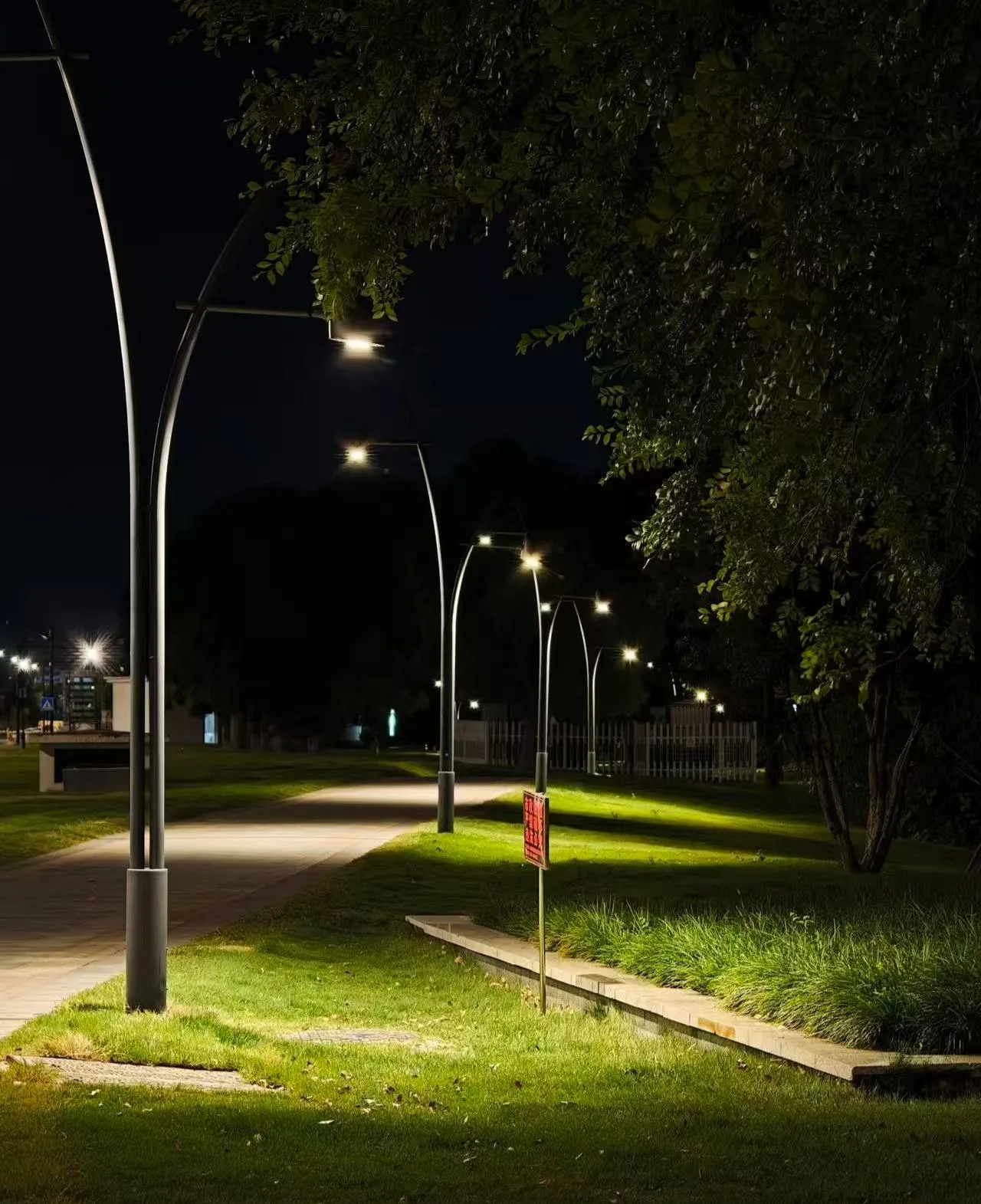
Landscape lighting has changed a lot in the last 10 years. What used to just decorate gardens and paths is now an important part of outdoor design. It is beautiful, safe, saves energy, and helps the planet. Homeowners, architects, and managers are now looking for more eco friendly lighting. The focus has moved from just looking good to also being useful, lasting a long time, and causing less harm to the Earth.
This guide will give you ideas for efficient and sustainable landscape lighting, design tips, advice on choosing the right lights, and real examples to help you make an outdoor lighting system that looks good, works well, and lasts for years.

Why Efficiency & Sustainability Now Matter in Landscape Lighting
Led commercial outdoor lighting uses more electricity than most people think. Old lights like halogen, CFL, and metal halide waste energy, make heat, break down fast, and need to be replaced often. But landscape lighting designs use 80–90% less energy, last longer (50,000–100,000 hours), and cost less to fix.
Green landscape lighting also control light better, so less energy is wasted. This helps reduce light pollution, which harms the environment and the night sky.
As more people care about being led lighting eco friendly—whether for business, green building awards, or personal values—designers are choosing green materials, using smart controls, and adding solar or motion-sensing lights. This change helps the planet and saves energy and money.
Efficiency and sustainability are no longer optional; they are now key parts of landscape lighting layout design.
Core Principles of Efficient & Sustainable Landscape Lighting
Before exploring design ideas, it’s important to understand the foundational principles that guide modern eco friendly outdoor lighting systems.
Use High-Efficacy LEDs (lm/W)
A sustainable commercial lighting system starts with efficient LED chips. Look for at least 120–150 lm/W, depending on what you need.
Higher efficiency means:
Lower energy bills: LED lights use up to 80–90% less energy than traditional lights, as shown by the U.S. Department of Energy (energy.gov).
Fewer fixtures to get the same brightness: LEDs give more light with less power, so you need fewer lights.
Less heat: LEDs create very little heat, which helps keep things cool and saves on cooling costs.
Long-term savings: LEDs last a long time (up to 100,000 hours), meaning fewer replacements and less maintenance (risuncorp.com).
Select Dark-Sky-Friendly Fixtures
Light pollution harms wildlife, makes it harder to see the stars, and can disturb sleep. To reduce this, use dark-sky-friendly lights with:
Full cutoff optics: These lights don’t let light spill up, helping protect the night sky (darksky.org).

Directional beams: Use uplighting landscape lighting that focus on the right areas, not broad washes that waste light
Shielding: Good shields keep light where it’s needed andstop it from spreading into unwanted areas.
Warm light (2700–3000K): Warm light is better for animals and night ecosystems. Studies show that low-CCT lighting helps reduce light pollution (sciencedirect.com).
Adopt Smart Controls
The best lighting is lighting that turns off when not needed. Smart controls help save energy.Smart controls include:
Motion sensors: Lights turn on only when movement is detected.
Dimmers and daylight sensors: Automatically adjust the light based on how bright it is outside.
Timers and smart automation: Program lights to turn on and off at certain times.
App-based scheduling: Control lights remotely to make sure they only turn on when needed.
Industry reports show that smart controls can save 20–60% of energy (energy.nsw.gov.au).
Use Durable, Low-Impact Materials
Environmentally friendly lighting should be built to last and reduce waste. Choose durable materials that last longer and need fewer replacements.
Good materials are:Sustainable lighting
Corrosion-resistant aluminum: Lasts longer in bad weather.
Stainless steel 304/316: Strong, rust-resistant, and long-lasting.
Recycled or recyclable plastics: Helps reduce waste and makes recycling easier.
Tempered glass lenses: Strong, weatherproof, and recyclable.
Avoid fixtures made from mixed materials that are hard to recycle
Require Verified Testing & Certifications
Eco-friendly lighting should be based on real, measurable data. Look for these certifications and tests:
LM-79 photometric reports: Shows the light’s actual performance, like brightness and light spread.
LM-80 + TM-21 lifetime projections: Tests how long LED chips last, helping predict the lighting’s lifespan (energy.gov).
IP65–IP67 outdoor protection: Ensures the lights are weatherproof and can handle dust and water.
UL/ETL or CE safety approvals: Guarantees the lights meet safety standards.
RoHS compliance: Ensures that the lights are free from harmful materials, supporting safe disposal.
These certifications confirm that the lighting will work as promised and last over time.
Landscape Lighting Ideas That Maximize Efficiency & Sustainability
Pathway & Walkway Lighting: Efficient and Low-Energy
Pathway lighting is important for safety and navigation, but it doesn’t need to use a lot of power to be effective. Some sustainable options include:
Low-voltage led bollards (2W–6W) with precise optics: These led light bollards use very little power (2W–6W) but provide focused lighting to reduce light spill. LEDs with 80–100 lm/W efficiency save a lot of energy compared to traditional halogen lights.
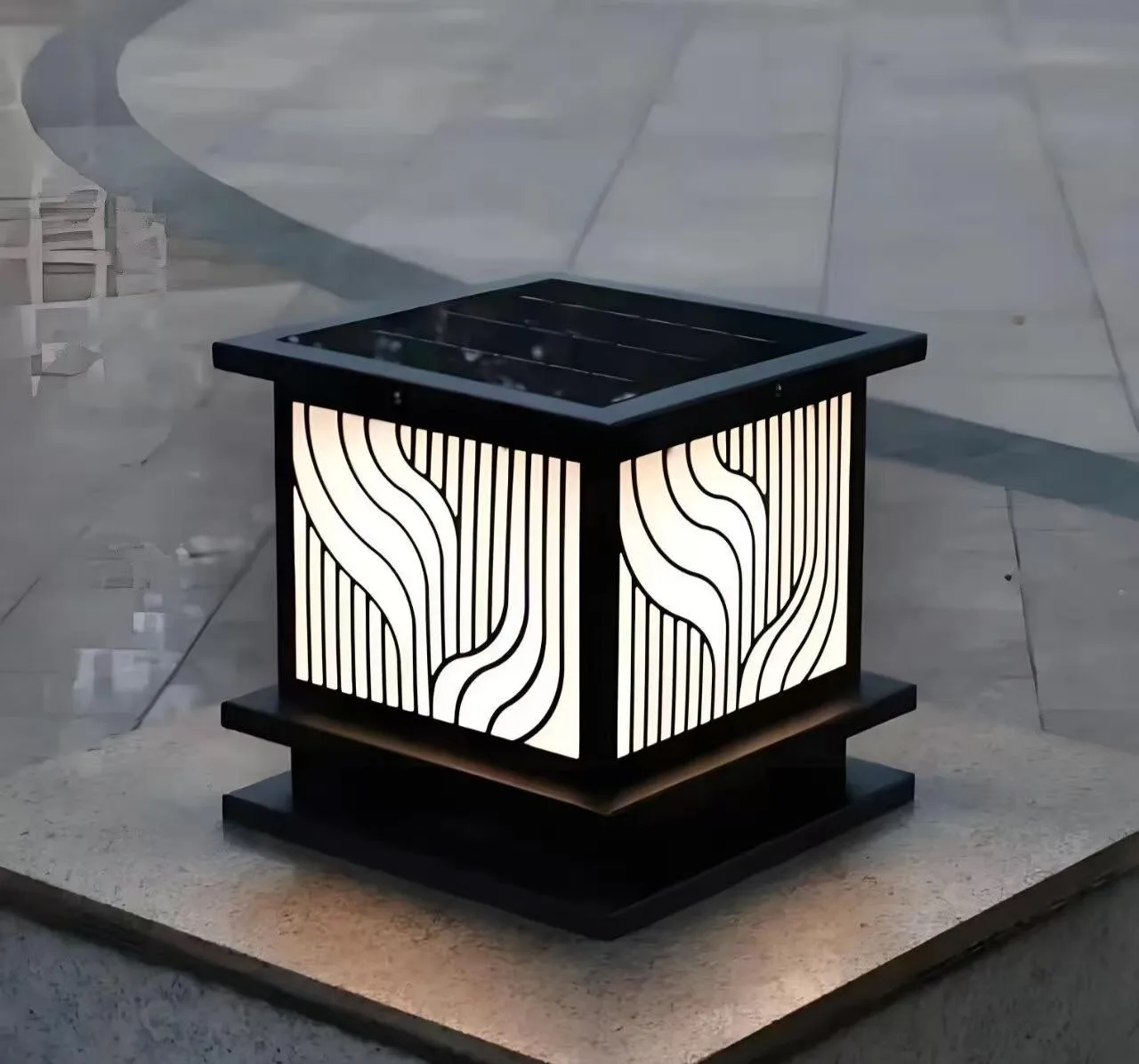
Solar path lights in areas with plenty of sun: Modern solar lights now work better than before, producing up to 300 lumens without needing grid power.
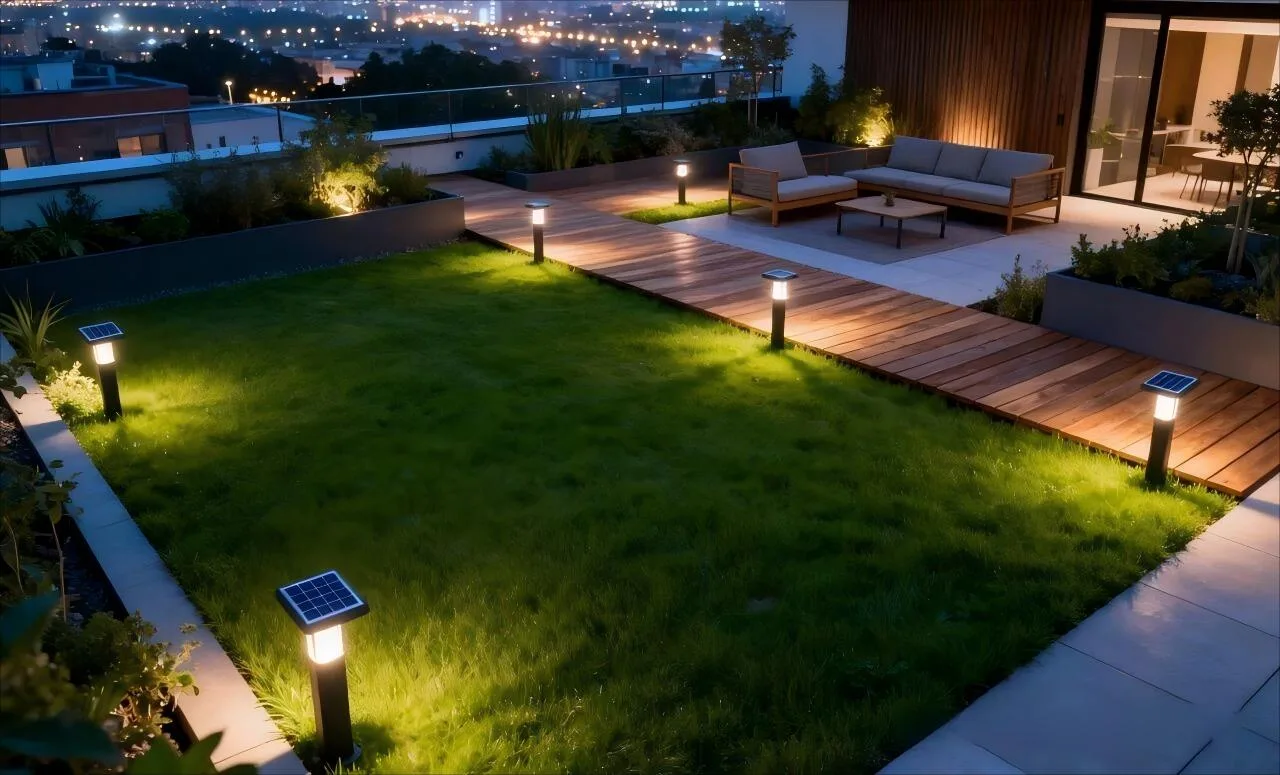
Motion-sensing lights for walkways with low traffic: These only turn on when motion is detected, saving energy.
Shielded fixtures that point light downward: These reduce glare and light spill, which helps protect wildlife and minimizes light pollution.
Why it’s efficient:
Commercial light bollards use up to 90% less energy than old-fashioned incandescent lights, according to energy studies from the U.S. Department of Energy. These lighting options minimize glare, reduce light spill, and help protect wildlife.
Garden Accent Lighting: Beauty Without Waste
Garden lighting led can highlight key features without wasting energy. Try these eco-friendly approaches:
Low-wattage spotlights (3W–7W): These spotlights use 3W–7W and focus light where it’s needed, reducing energy usage.
Uplighting trees with narrow beams (10°–25°): Narrow beams use much less energy than wide floodlights. A 15W LED with a 15° beam can do the same job as a 50W floodlight while using 70% less power.
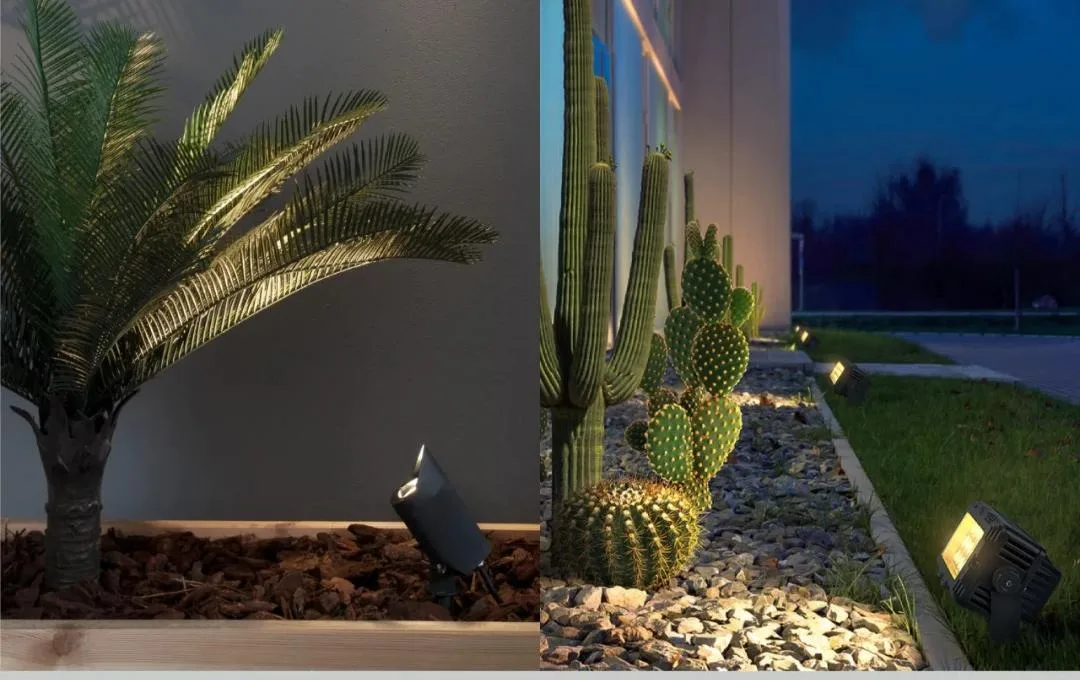
Warm white CCT (2700–3000K): Warm lighting is less disturbing to nocturnal wildlife.
Solar uplights for hard-to-wire areas: These lights can produce up to 200 lumens without requiring electrical connections.
Efficiency wins:
Using focused optics, rather than wide flood beams, dramatically reduces energy use. For example, a 5W LED can give the same light as a 15W halogen, cutting energy consumption by 66%.
Tree & Foliage Lighting: Minimal Power, Maximum Drama
Trees don’t need to be overly bright to make an impact. Here are some energy-saving ideas for tree lighting:
6W–12W adjustable spotlights with precise beam angles: These LEDs give great brightness without wasting power, with 90 lm/W efficiency.
In-ground well lights with anti-glare shields: These keep the light focused on the tree, minimizing light spill.
Timers or sensors to turn lights off after midnight: This prevents unnecessary energy use after peak hours.
Avoid using large 50W fixtures unless required for commercial areas. A 12W LED can achieve the same effect as a 50W fixture, saving 75% of energy.
Architectural & Façade Lighting: More Than Just Brightness
Lighting the exterior of buildings adds beauty and security at night. Here’s how to do it sustainably:
led linear light wall grazers with high efficiency: These LEDs provide 120–160 lm/W, maximizing brightness while minimizing energy use.
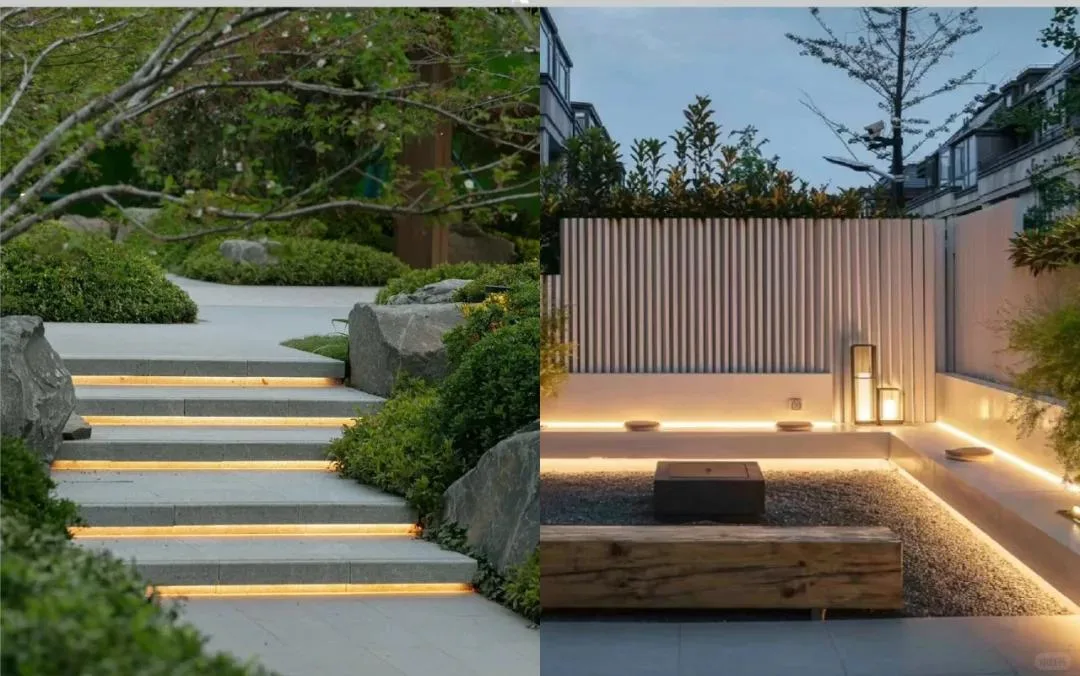
Narrow beam wall washers to reduce light pollution: These washers target specific features without spilling light upward.
Smart dimming controls: Reduce light intensity during late hours to save energy while keeping the area safe.
By using smart lighting designs, you can ensure the right amount of light in the right places, making it both energy-efficient and aesthetically pleasing.
Deck, Patio & Hardscape Lighting: Low-Voltage and Subtle
Lighting for decks and patios should enhance the space without overpowering it. Sustainable options include:
Invisible fixture housings under steps, seats, or railings: These provide subtle lighting without changing the look of the space.
1W–3W mini-LED modules: These low-wattage lights give a soft glow, making them perfect for energy-efficient outdoor spaces.
Motion sensors for low-traffic zones: These sensors activate lighting only when needed, saving energy.
The goal is to create gentle illumination rather than floodlighting, using energy-efficient fixtures that maximize ambiance.
Benefits of led solar landscape lights: Zero Energy Use
Modern solar landscape lights have become more reliable, offering:
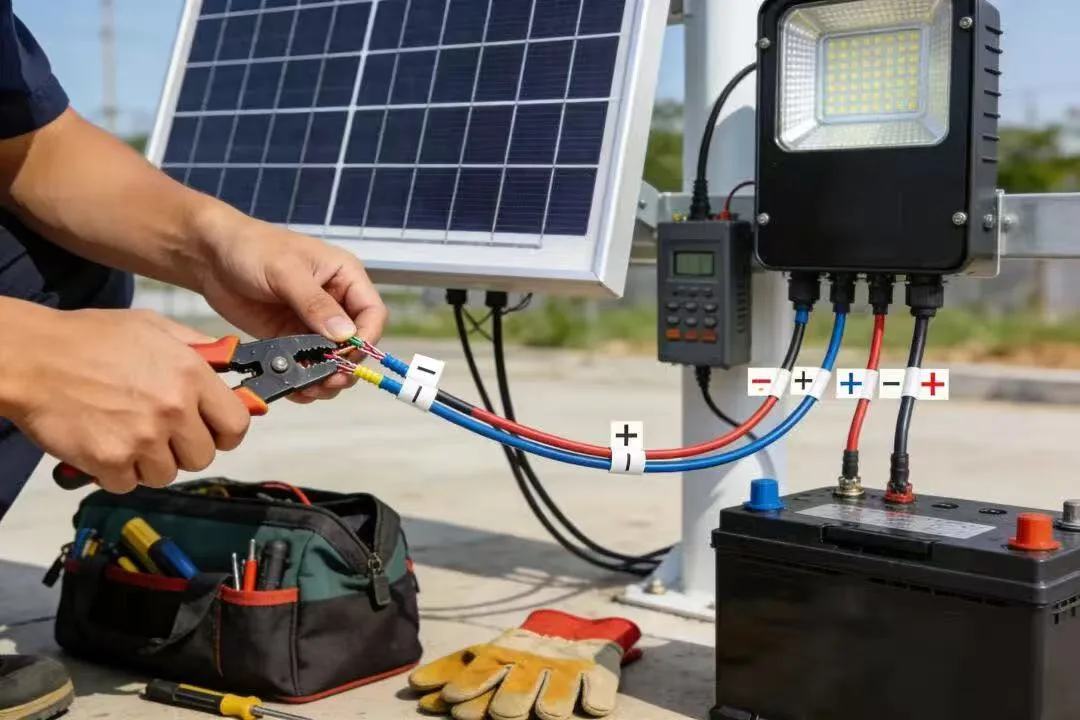
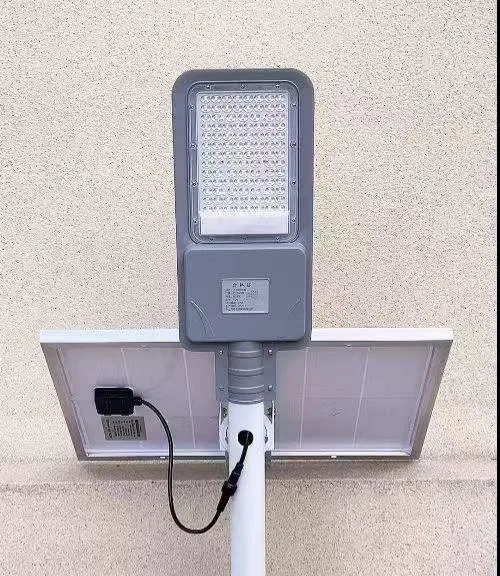
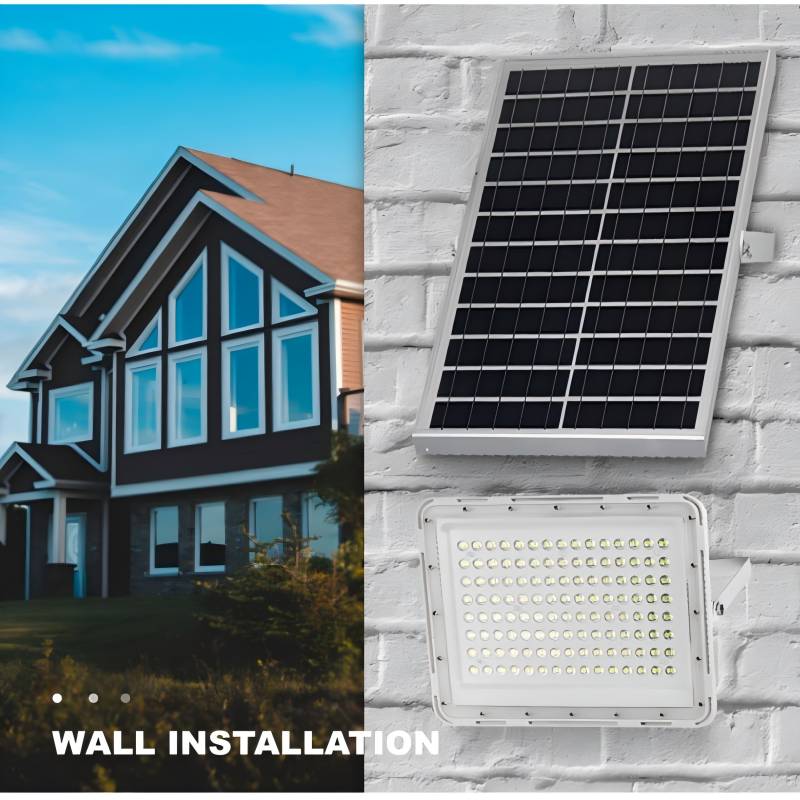
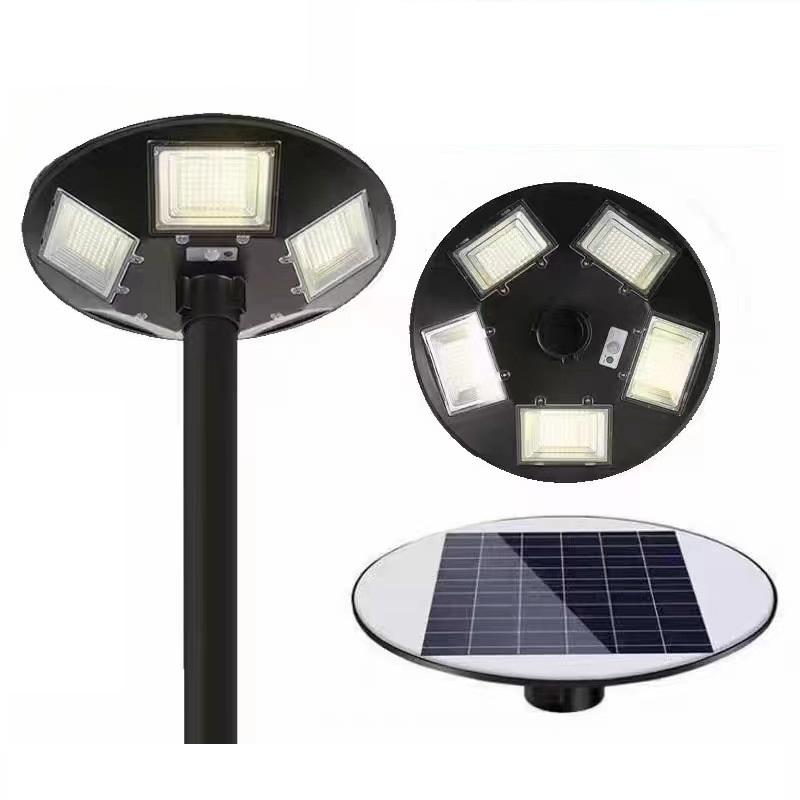
High quality solar street light battery and higher-efficiency solar panels: Some led solar street lights can produce between 300 and 1000 lumens, offering more consistent performance.
Integrated sensors that adjust the light based on surrounding light levels.
Hybrid solar + low-voltage systems: These systems combine solar power and low-voltage lights for better reliability on cloudy days.

Best uses for solar lighting:
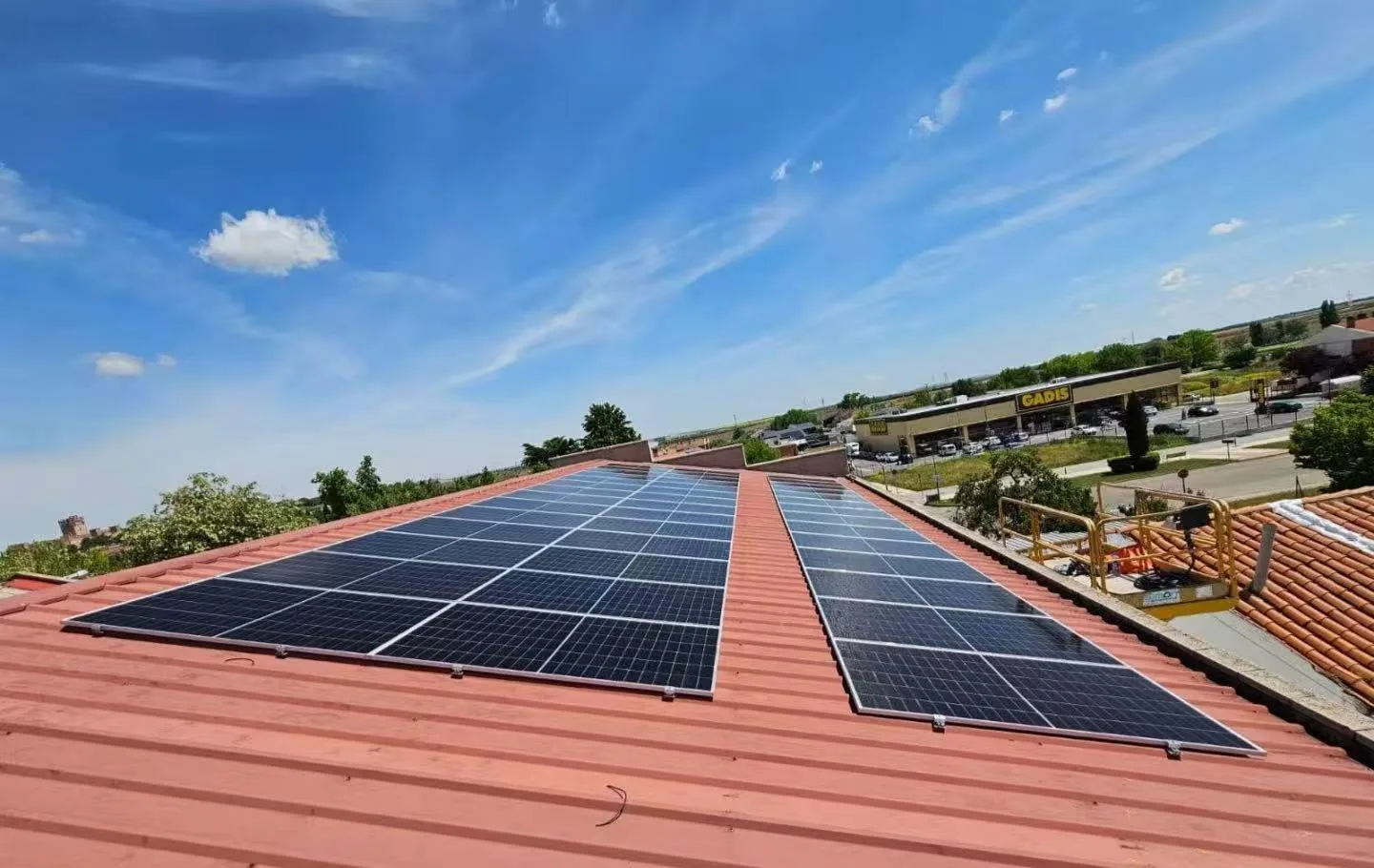
Solar power street lights are ideal for pathways, garden markers, fences, and remote areas, reducing the need for grid power.
Water Feature Lighting: Efficient and Beautiful
Underwater lights can highlight ponds, fountains, and waterfalls with minimal energy:
Low-voltage submersible LEDs (3W–9W): These use very little power while providing enough light for water features.
IP68-rated waterproof fixtures: These fixtures are safe to use in wet conditions and provide long-lasting performance.
Timers to limit operation during specific hours: This reduces unnecessary energy use.
Water enhances the lighting effect, so fewer watts are needed compared to dry-land lighting.
Security & Perimeter Lighting: Smarter, Not Brighter
Traditional security lights waste energy by staying on all night. Eco-friendly options include:
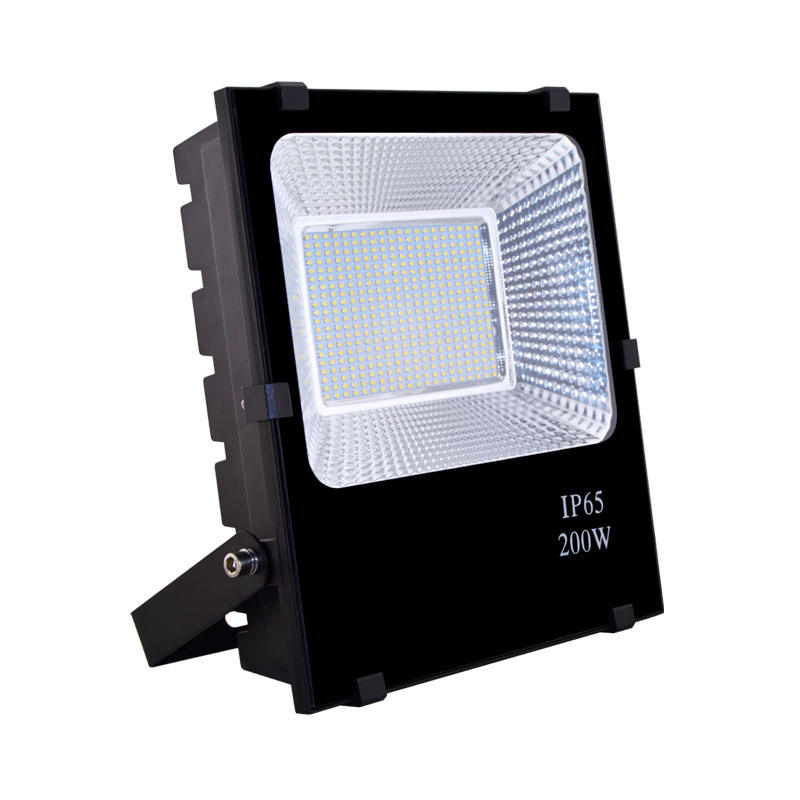
Led external flood lights with 120–160 lm/W efficacy: These lights provide bright, focused illumination with minimal power consumption.
Motion or microwave sensors: These ensure the lights only turn on when needed, cutting energy use.
Solar powered street light with motion sensor: These systems only activate lighting when motion is detected, further saving energy.
By combining smart sensors with energy-efficient LEDs, security lighting becomes more effective and environmentally friendly.
Technical Guidelines for Building an Efficient Lighting System
Optimize Beam Angles
Efficiency isn’t just about wattage. Beam angle plays a key role in ensuring light is used effectively, reducing the number of lights needed and saving energy. Here’s a breakdown of common beam angles for different applications:
10°–25°: Ideal for trees, columns, and tall features. These narrow beams focus the light on specific areas, reducing waste.
Example: A 10° LED spotlight with 120 lm/W illuminates a tall tree efficiently, using less power with minimal light spill.
30°–45°: Best for medium-sized features like bushes, statues, and garden elements. These beams cover more space while maintaining focus.
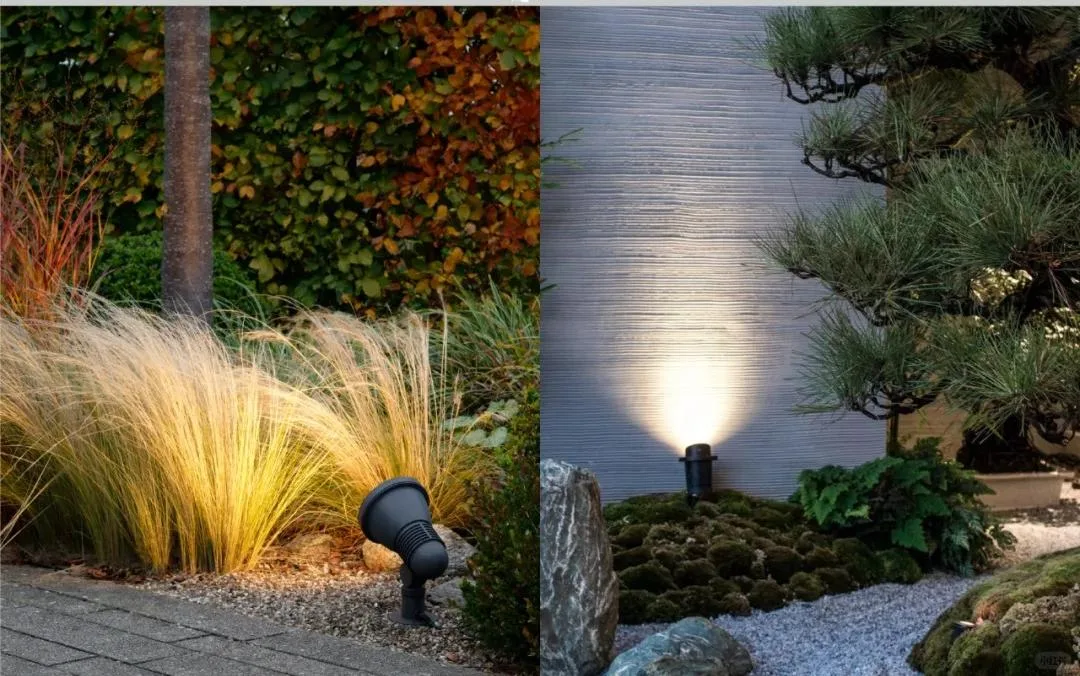
Example: A 6W LED spotlight with a 30° beam can highlight a statue, balancing coverage and energy use.
60°–120°: Perfect for larger areas like walls and garden spaces. These wide beams offer broader coverage.
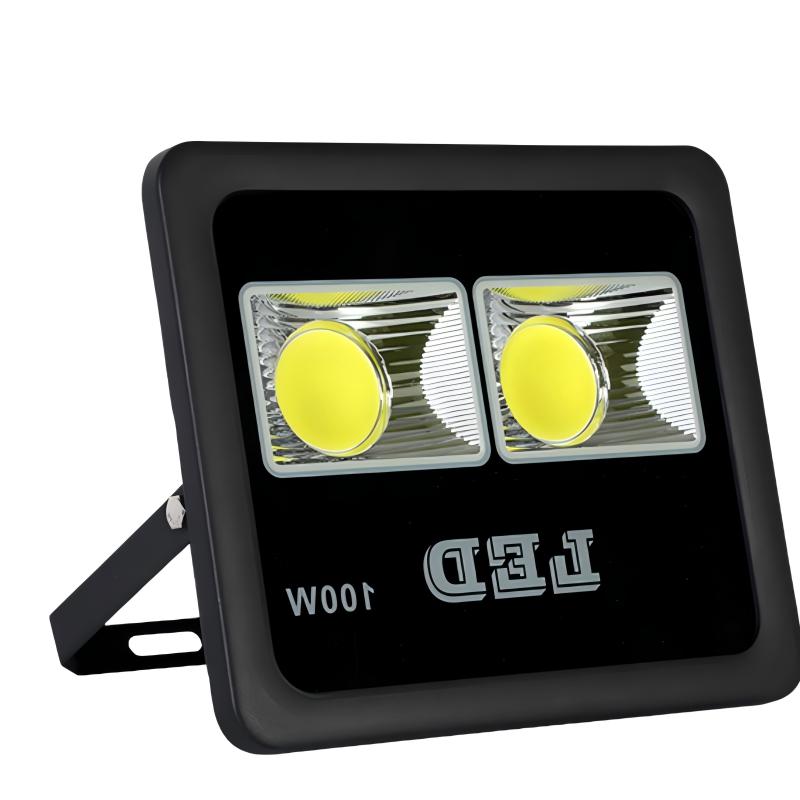
Example: A floodlight led 100w with a 60° beam effectively covers an area of 10–15 feet, ideal for paths or walls.
Efficiency Tip:
Narrower beams (10°–25°) reduce the number of fixtures needed, saving energy. For instance, a 15W LED spotlight with a 25° beam can do the same job as a 50W floodlight, saving up to 70% in power.
Data Sources:
IES LM-79 Testing: Measures how effectively a light’s beam is utilized, ensuring energy efficiency.
Choose the Right CCT
The color temperature (CCT) of light affects both energy use and ecological impact. Here’s how to select the right CCT for various outdoor areas:
2700–3000K: Warm white light is ideal for residential gardens. It creates a cozy atmosphere and is gentle on wildlife.
Example: 3000K led outdoor garden lights use 4W to light paths with a warm glow.
3000–4000K: Neutral white light works well for pathways, gardens, and general outdoor use. It provides balance between visibility and warmth.
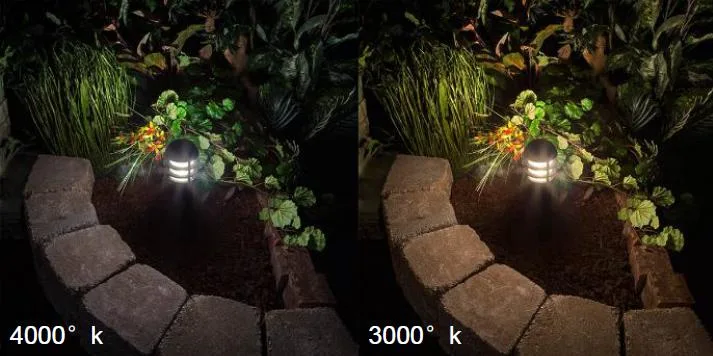
Example: 3500K pathway lights use 6W to illuminate walkways clearly without being too bright.
4000–5000K: Cool white light is best for security, offering bright illumination for visibility and safety.
Example: 5000K LED floodlights provide clear lighting for driveways and security areas.
Efficiency Tip:
Warmer lights (2700–3000K) are more energy-efficient than cooler ones (5000K), but cooler lights are better for high-visibility security areas.
Data Sources:
CIE (International Commission on Illumination): Recommends using warmer CCTs (2700K–3000K) in wildlife-sensitive areas to minimize disruption.
Ensure Outdoor Durability
Outdoor fixtures must be durable. The right IP rating protects lights from rain, dust, and water. Here’s a quick guide:
IP65: Water-resistant and dust-tight, suitable for lights exposed to rain or dust, like smart outdoor floodlights.
Example: IP65-rated LED floodlights perform well in all weather conditions, ideal for outdoor spaces.
IP67: For lights exposed to temporary water immersion, such as in-ground lights or by water features.
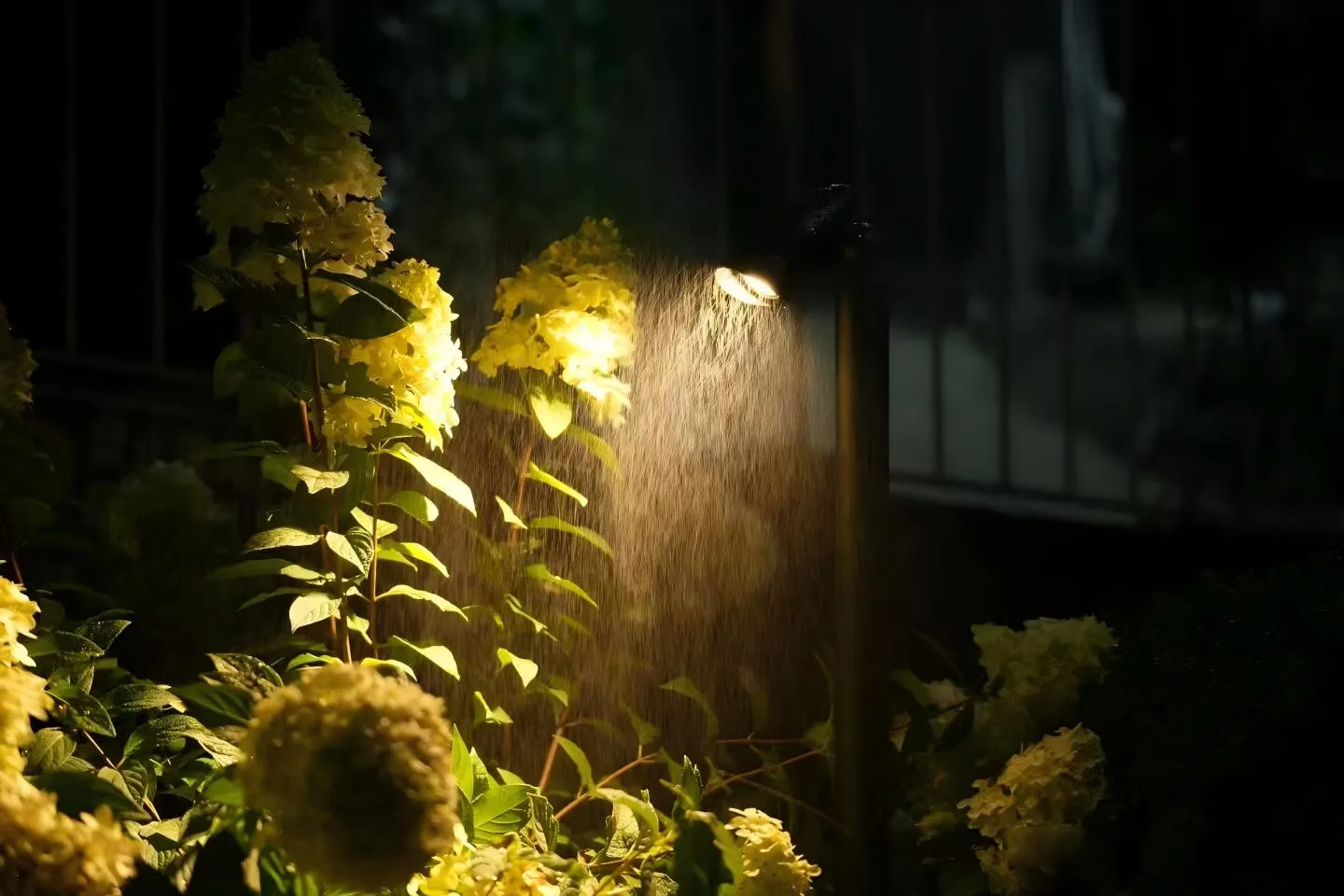
Example: IP67-rated in-ground LED lights are perfect for damp areas like garden ponds.
IP68: Fully waterproof, required for underwater lights.
Example: IP68-rated submersible LED lights are great for fountains and ponds
Why It’s Important:
Choosing the right IP rating ensures long-lasting performance and fewer repairs. Lights with IP65 or higher are more durable and reduce replacement costs.
Data Sources:
IEC 60529: Details IP ratings, where IP65 is water-resistant, IP67 is submersible, and IP68 is fully waterproof.
Efficiency Tip:
Durable IP-rated fixtures last longer, meaning fewer replacements. For example, a 5W LED light with IP67 performs better in damp environments than a non-IP-rated light.
By optimizing beam angles, choosing the right CCT, and ensuring the proper IP rating for durability, you can create energy-efficient and long-lasting outdoor lighting. Using LED lights, motion sensors, and highly durable fixtures will not only save energy but also enhance the beauty and functionality of your outdoor spaces.
Sustainability Beyond Energy Efficiency: Lifecycle Thinking
Truly sustainable landscape lighting considers the full product lifecycle.
Long Service Life
Choose LEDs with reliable LM-80 data and TM-21 lifetime projections. Look for fixtures with an L70 rating of over 50,000 hours, meaning they’ll keep 70% of their original brightness for a long time. Longer-lasting lights need fewer replacements, reducing waste and the need for more resources.
Recyclable or Repairable Designs
Pick lights designed for easy repair or recycling. Choose fixtures where parts like the module, lens, and driver can be replaced instead of throwing out the whole unit. This reduces environmental impact and helps create a circular economy, where products last longer and waste is minimized.
Sustainable Installation Planning
Plan installations to minimize trenching, which reduces soil disturbance and digging. Use low-voltage systems and smart wiring routes to cut down on copper use. Whenever possible, choose recyclable conduits to reduce the environmental impact, helping to create a more sustainable lighting setup.
How to Design a Balanced, Eco-Friendly Landscape Lighting Layout
First, map out the key areas of your outdoor space, like paths, patios, buildings, trees, and security zones. Decide which areas actually need lighting to avoid unnecessary use. Use photometric tools such as DIALux or AGi32 to set the right brightness without overlighting. Choose fixtures based on efficiency (lm/W), IP rating, materials, and certifications for sustainability. Incorporate smart controls to limit operating hours and save energy. Test the setup at night to ensure real-world performance matches your plan. Finally, review the lighting annually, adjusting for pruning, weather, or new plants to maintain effectiveness.
Avoiding Common Mistakes That Waste Energy
Many landscapes waste up to 50% of lighting energy because of bad design. Common mistakes are using too many lights, picking wide beams when narrow ones are needed, not controlling glare, lighting all trees instead of key ones, using cool-white lights everywhere, and leaving lights on all night without sensors. Sustainable lighting isn’t about more lights—it’s about using them wisely and carefully.
Conclusion: Building a Beautiful, Efficient, and Sustainable Outdoor Space
Sustainable landscape lighting is the future of outdoor design. By focusing on energy-saving, eco-friendly materials, smart controls, and good planning, you can make an outdoor space that looks great, is kind to the planet, and saves money. Whether lighting a garden, business, resort, or park, the same ideas apply: use energy-efficient LEDs, choose dark-sky-friendly lights, use smart beams to save power, add solar lights, use strong fixtures, and avoid too much light. Done well, landscape lighting mixes tech, green choices, and art, making your space better while helping the Earth.