Skip to content
LED lighting has become a popular choice for its energy efficiency and long lifespan. But just how long do LEDs last, and what affects their longevity? Understanding these factors is crucial for businesses looking to maximize the benefits of LED technology while minimizing long-term costs.
In this blog post, we will explore the five main factors that influence the lifespan of LED lights and provide actionable tips on how long do led bulbs last and how to ensure they last as long as possible.
Why LED Lifespan Matters for Businesses
LED lights are known for their durability and energy efficiency. They can last 25,000 hours or more, making them a cost-effective lighting solution. However, the actual led lighting lifespan can vary based on several factors.
Knowing these factors can help businesses make better decisions when choosing LED lighting systems. Not only does this impact the initial investment, but it also affects long-term operational costs, maintenance, and overall lighting performance.
Key Factors That Influence LED Lifespan
Thermal Management: The Key to Longevity
Heat is one of the biggest factors that can shorten the led lights lifespan. LEDs produce heat when they are on, and if this heat is not properly managed, it can damage the light and reduce its life.
LEDs that do not have enough cooling or heat sinks will overheat, causing them to fail faster. Good thermal management helps keep LEDs cool, ensuring they stay bright and last longer.
Tip: Look for LED lights with efficient heat management systems, such as heat sinks, to ensure they stay cool and last as long as possible.
LED Driver Quality and Stability
The LED driver is the part of the system that controls the power supplied to the LED. If the driver is of poor quality, it can cause power surges or fluctuations that damage the LED over time.
High-quality drivers provide stable and consistent power, which is important for the led light longevity. A low-quality driver can lead to overheating and premature failure of the light.
Tip: Choose LED lights with high-quality drivers that are designed to provide stable power and prevent damage to the LED.
Quality of Materials: The Impact of Semiconductor and Package Design
LEDs are made of special materials known as semiconductors. The quality of these materials plays a big role in how long will led lights last. High-quality materials are more durable and able to handle heat and electrical stress better than low-quality materials.
The packaging around the LED also affects its performance. Poorly designed or low-quality packaging can cause the LED to fail more quickly.
Tip: Always choose LEDs made with high-quality materials and from trusted manufacturers to ensure longer-lasting performance.
Environmental Conditions: External Factors Affecting Performance
The environment where LEDs are used can have a big impact on led light bulbs lifespan. Extreme temperatures, high humidity, and exposure to dust or corrosive chemicals can all shorten the lifespan of an led.
For example, LEDs used in very hot environments may fail faster because they are exposed to higher levels of heat. Similarly, exposure to moisture or chemicals can cause corrosion and damage the LED.
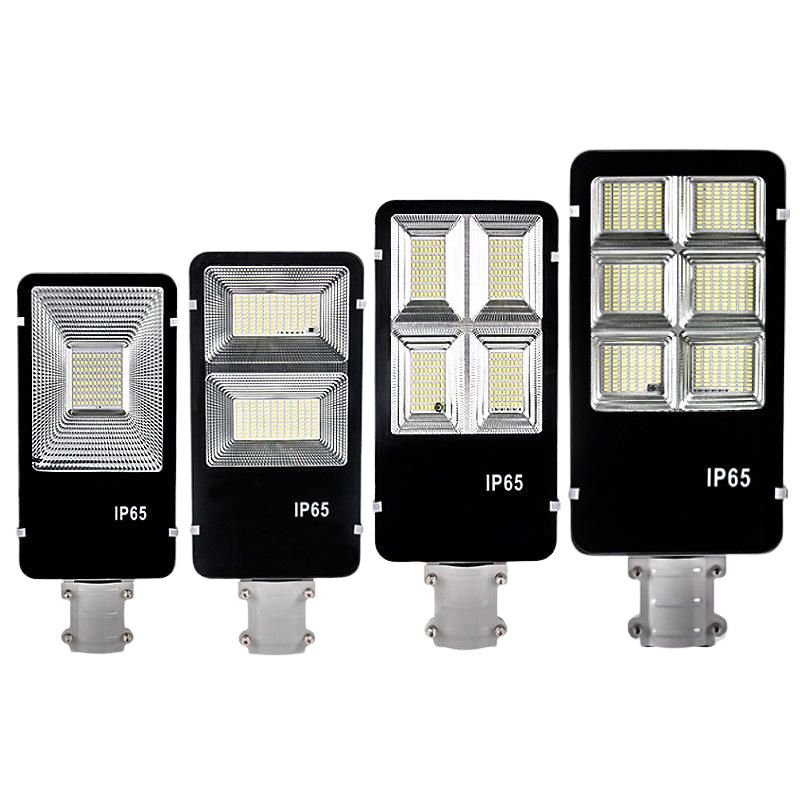
Tip: Make sure to choose LEDs that are rated for the environment where they will be used. For outdoor or industrial environments, look for lights with higher Ingress Protection (IP) ratings to ensure they can withstand harsh conditions.
Installation and Maintenance: How Proper Setup Can Extend Lifespan
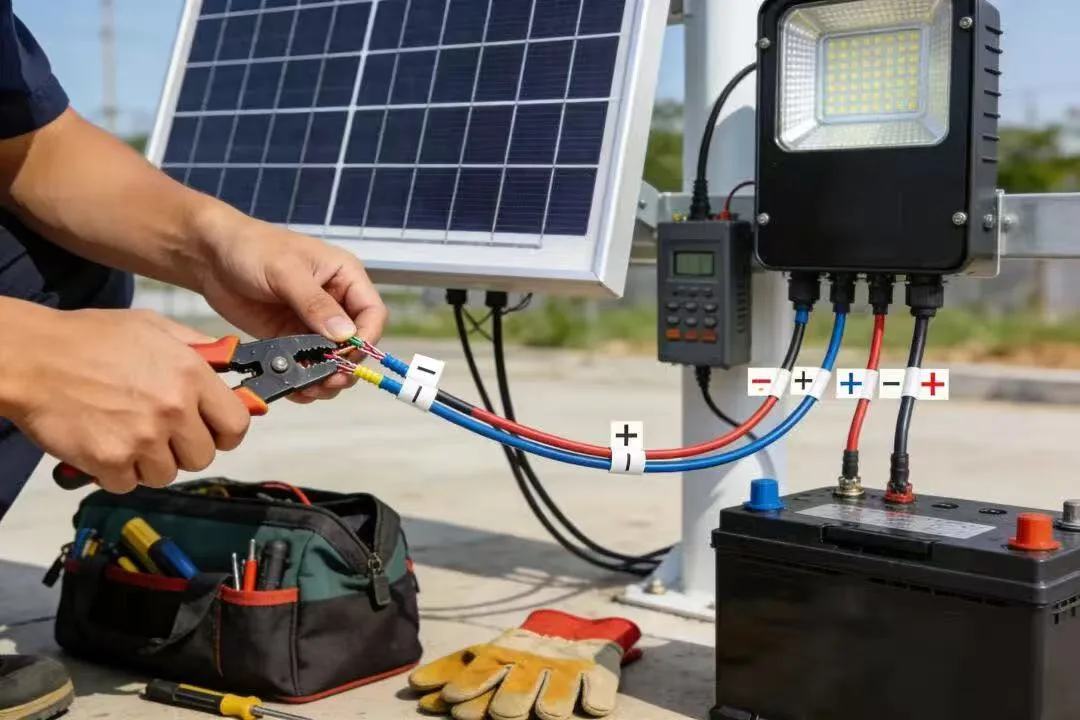
The way an LED light is installed and maintained can significantly impact its lifespan. Poor installation, such as incorrect wiring or improper heat dissipation, can cause the LED to fail early.
Regular maintenance is also important. Dust and dirt can build up on the LED and reduce its brightness. Cleaning the lights regularly and checking the wiring can help keep them in good condition.
Tip: Ensure that the LED lights are installed correctly, and perform regular maintenance to keep them working efficiently for longer.
Conclusion: Best Practices for Maximizing LED Lifespan
To maximize the lifespan of led light bulbs, it’s important to consider all the factors that influence their longevity. Proper thermal management, high-quality drivers, durable materials, and the right environmental conditions are key to making sure your LEDs last as long as possible.
By choosing high-quality LED lights, installing them correctly, and performing regular maintenance, you can extend their lifespan and enjoy energy-efficient lighting for years to come.
Frequently Asked Questions about led light lifespan
How long does an led light last?
LED lights typically last between 25,000 and 50,000 hours, depending on factors like quality and usage conditions.
What factors affect the lifespan of led bulbs?
The main factors include thermal management, driver quality, materials, environmental conditions, and installation and maintenance.
How can I extend the led light bulb lifespan?
To maximize LED lifespan, ensure proper installation, good ventilation, and regular cleaning and maintenance.
By considering these key factors, businesses can make better decisions when selecting LED lighting and can ensure that their lighting systems last as long as possible. This will lead to greater savings, reduced environmental impact, and better lighting performance over time.